Tokai
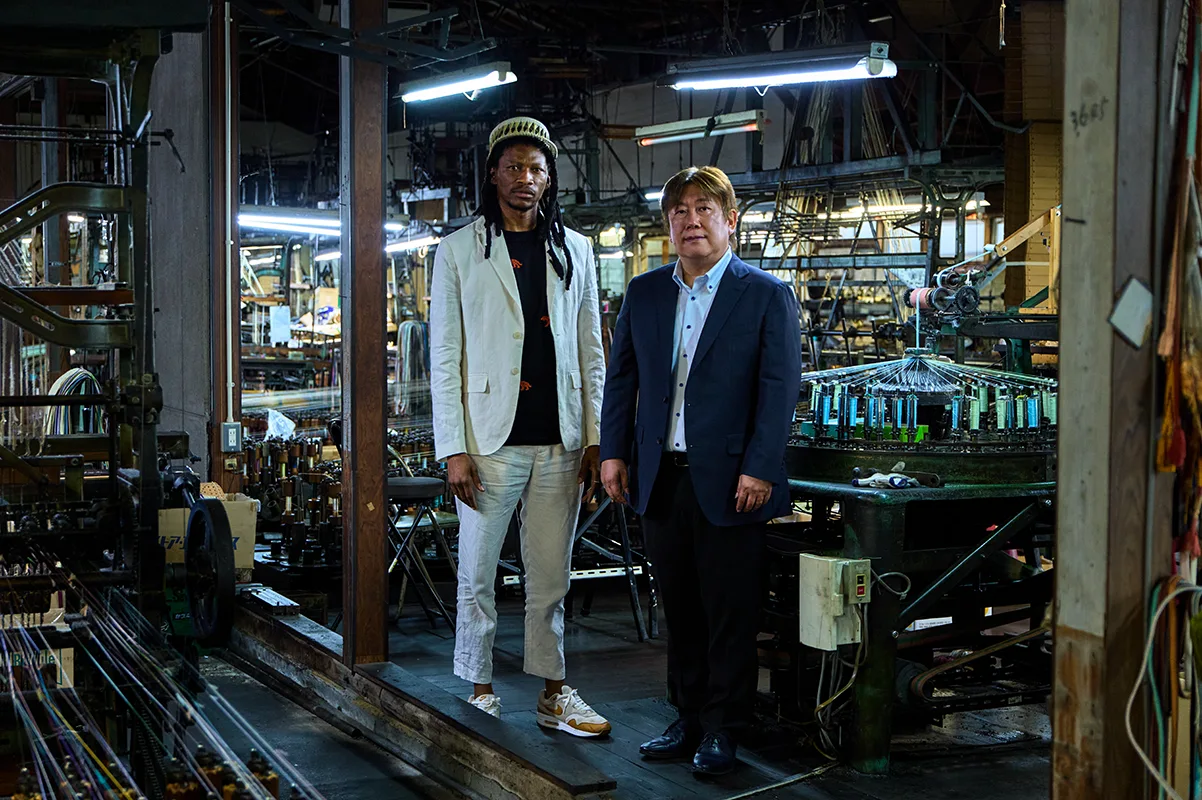
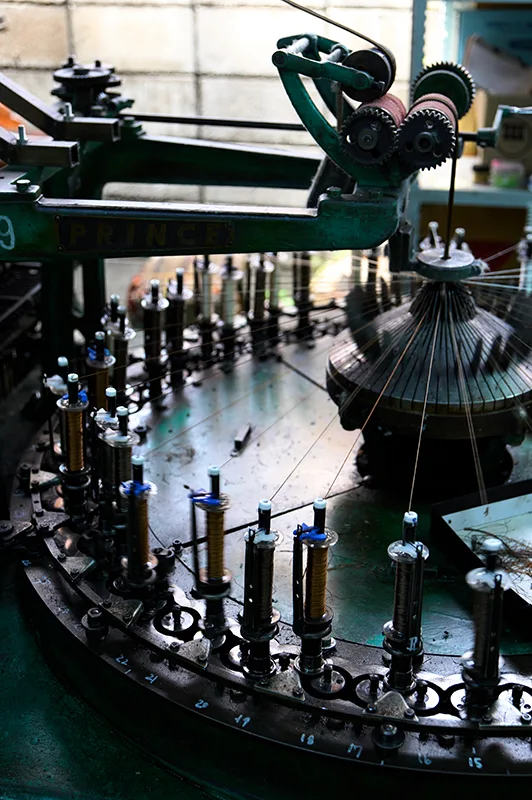
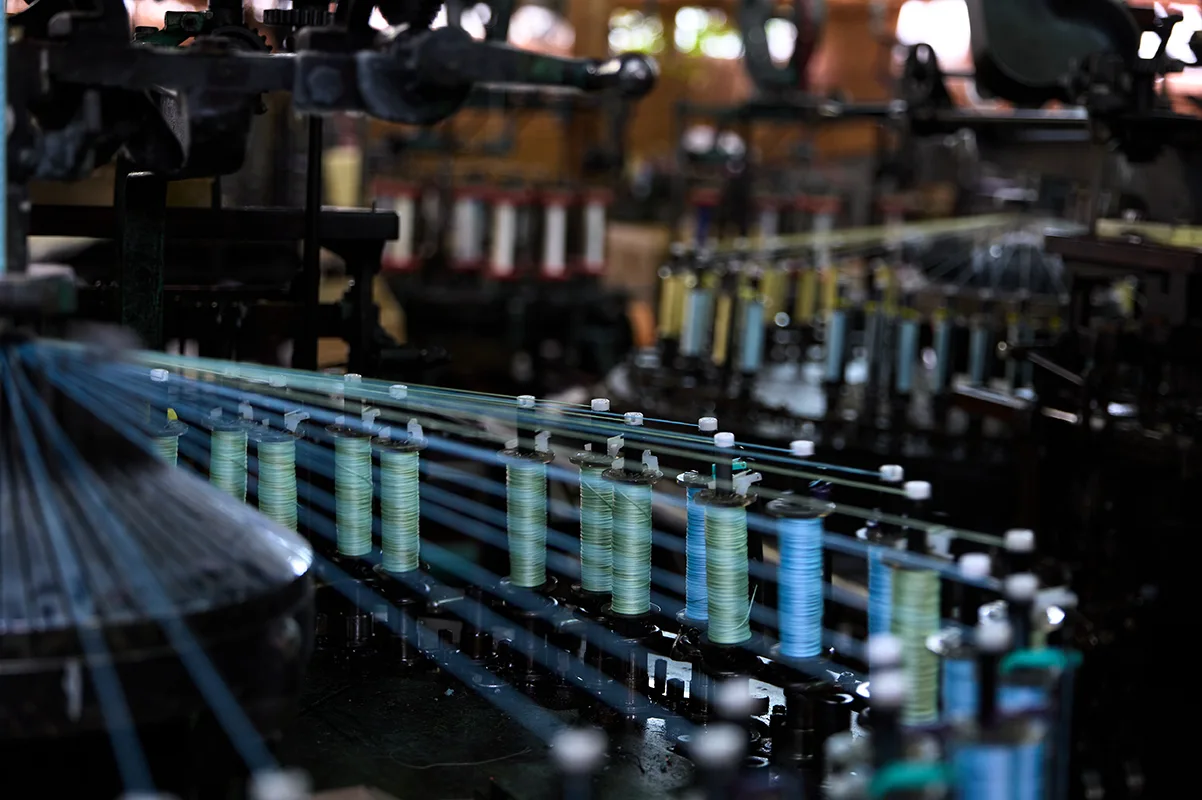
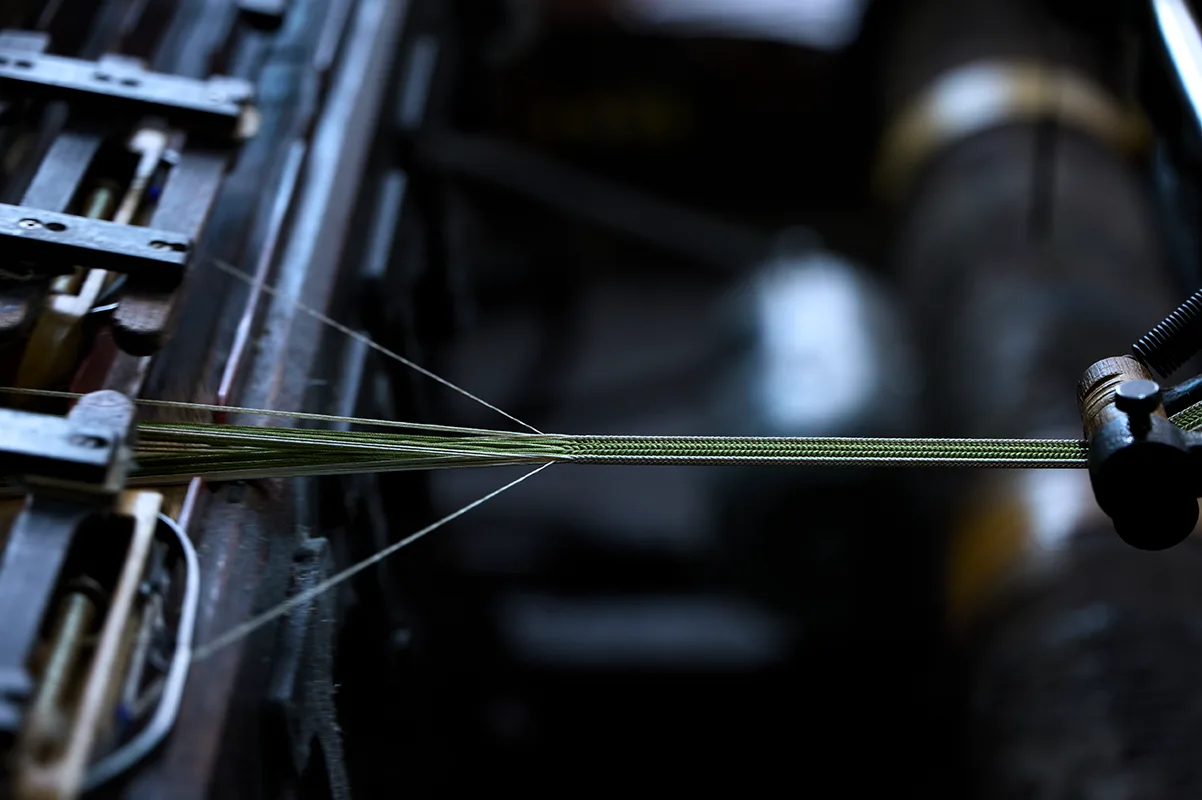
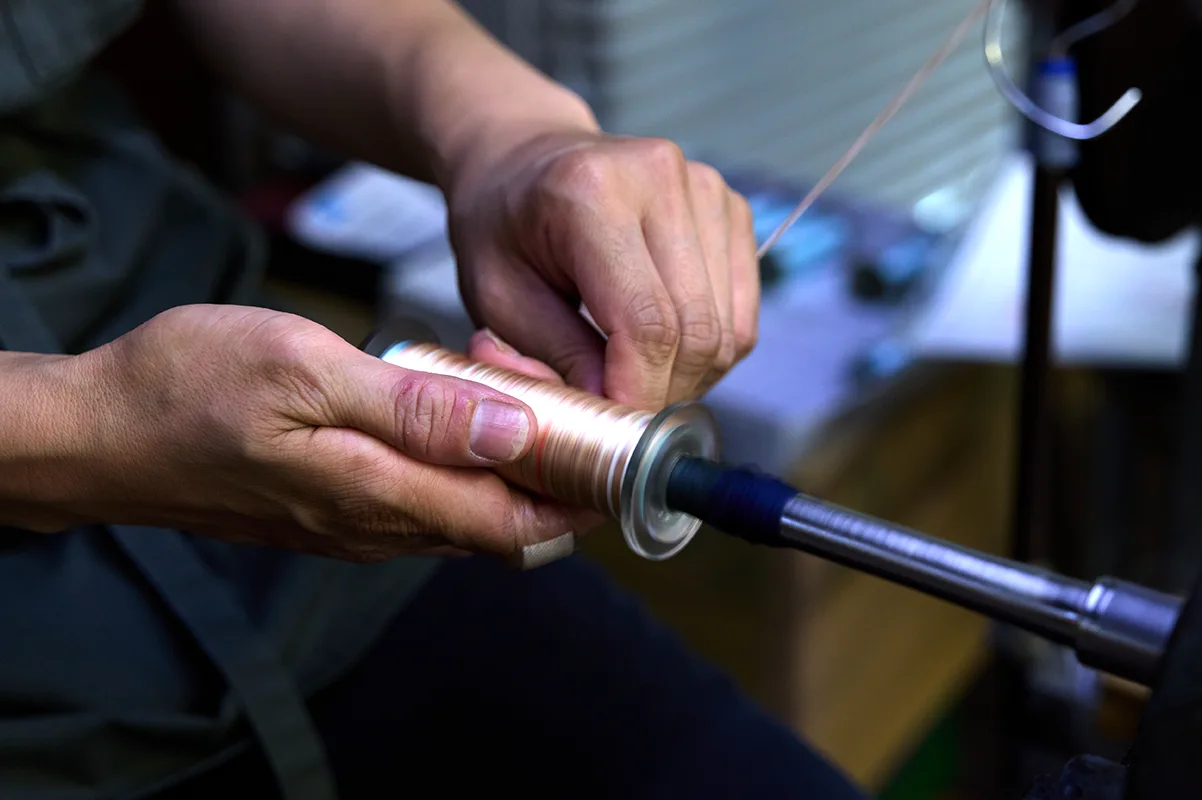
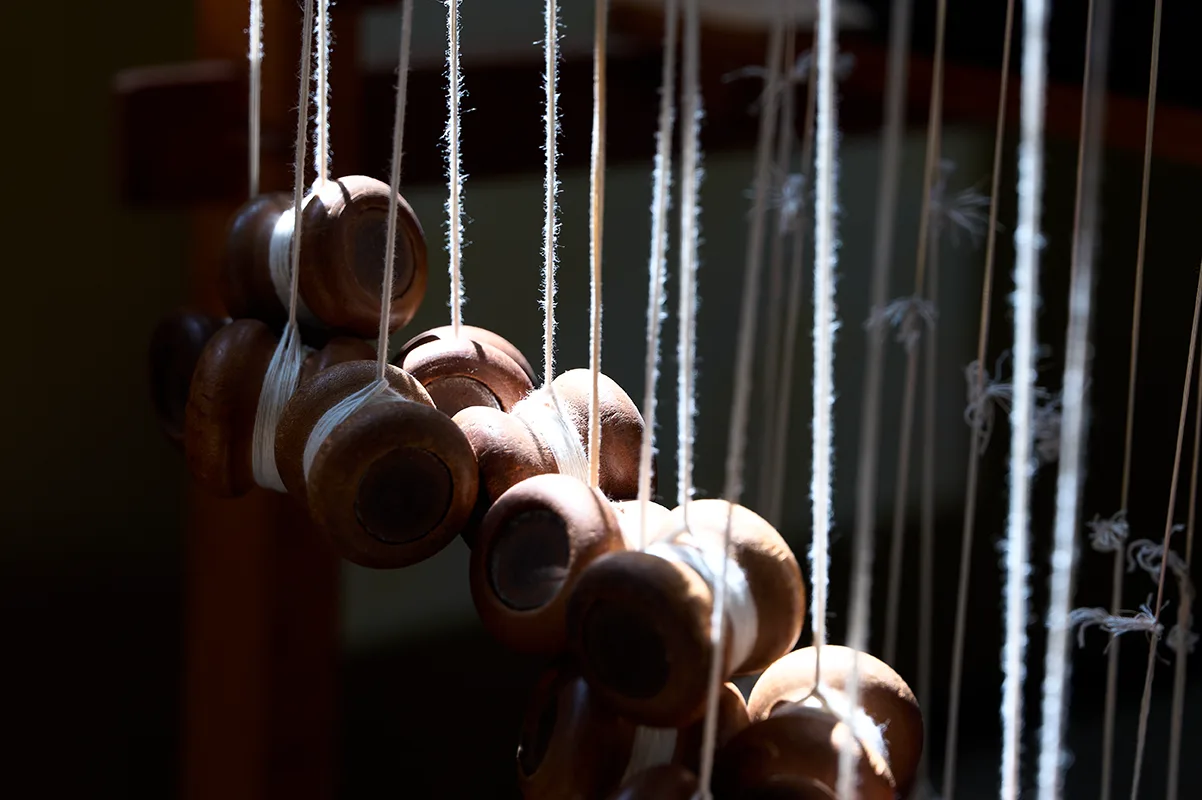
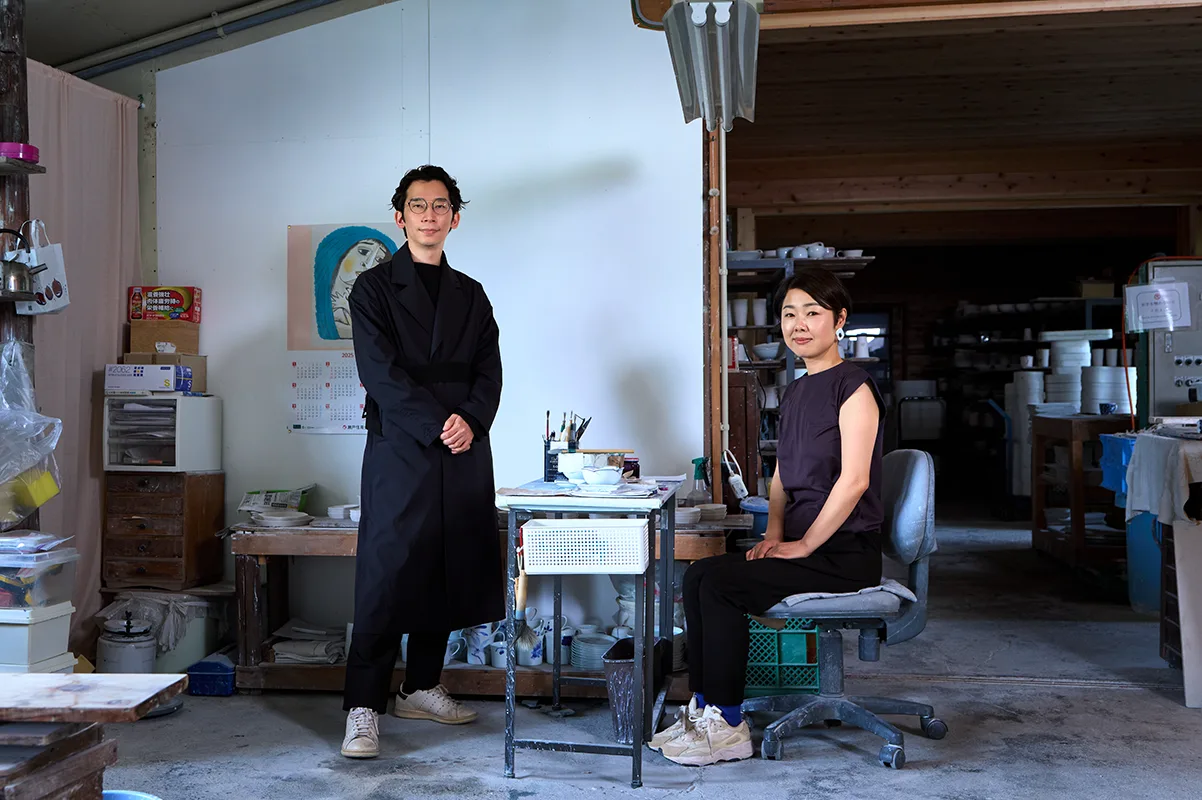
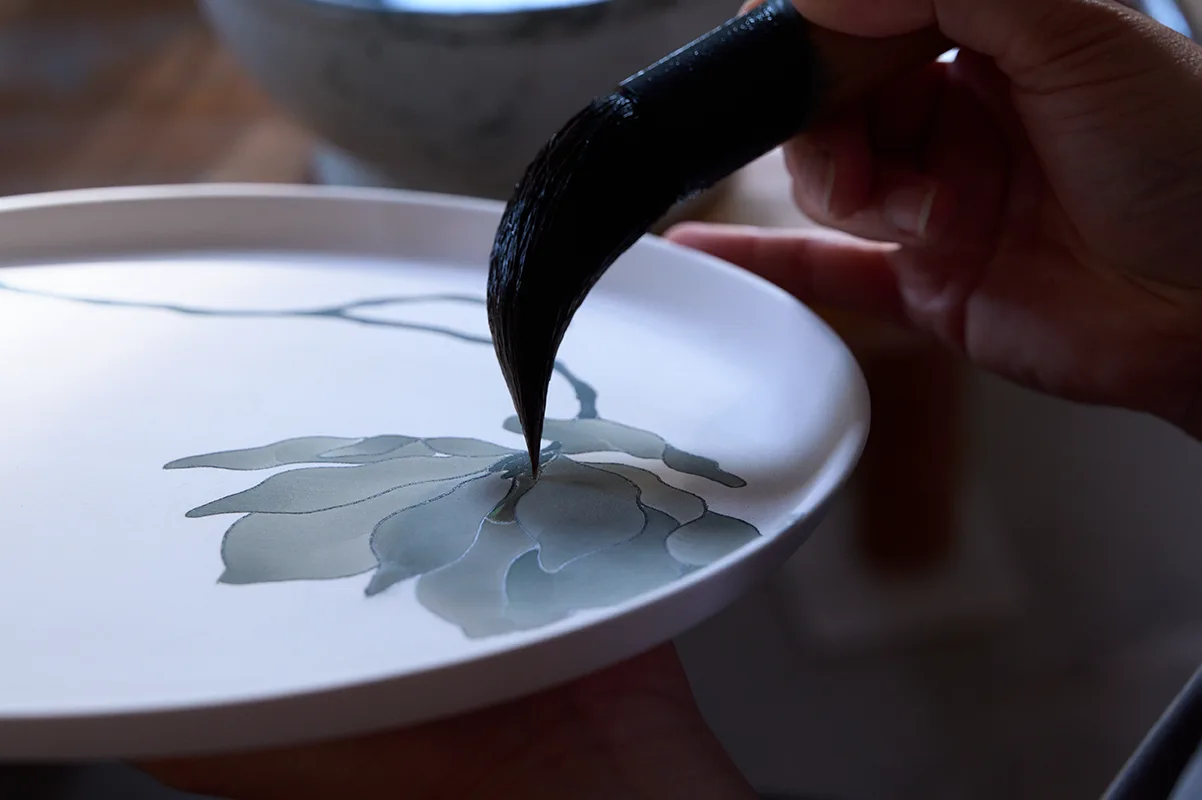
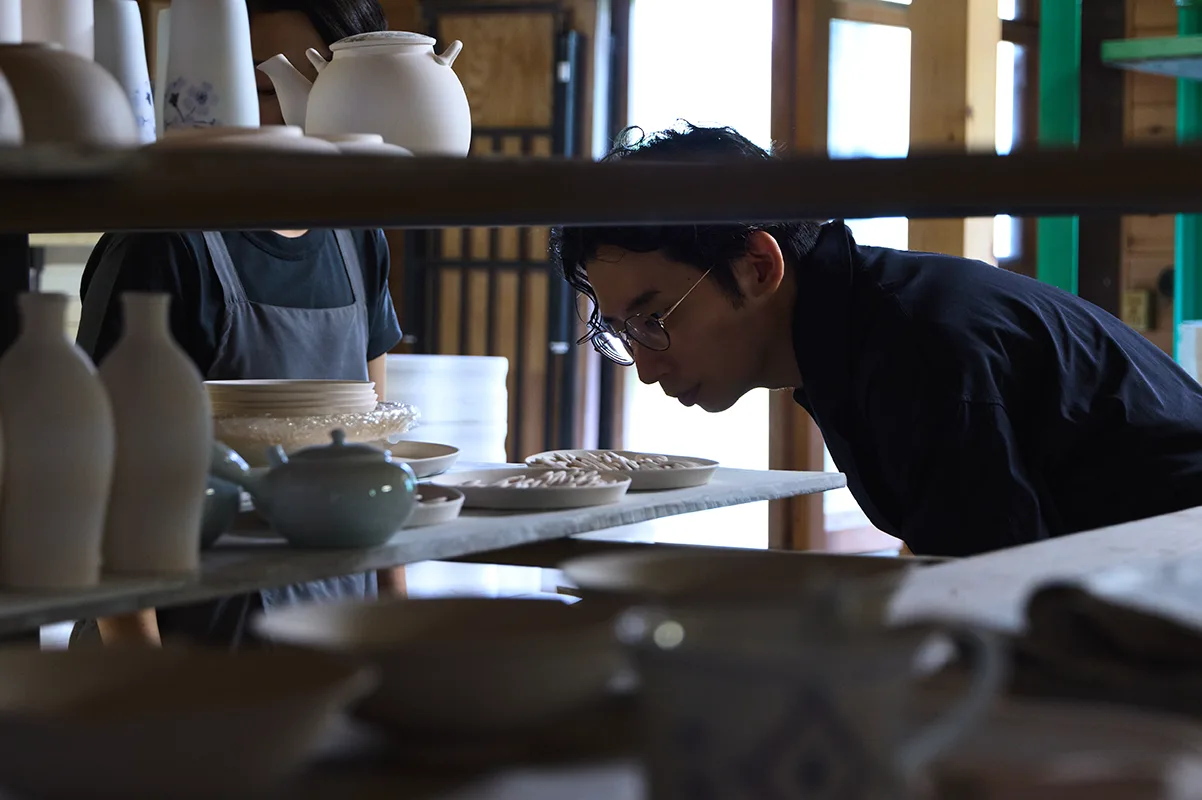
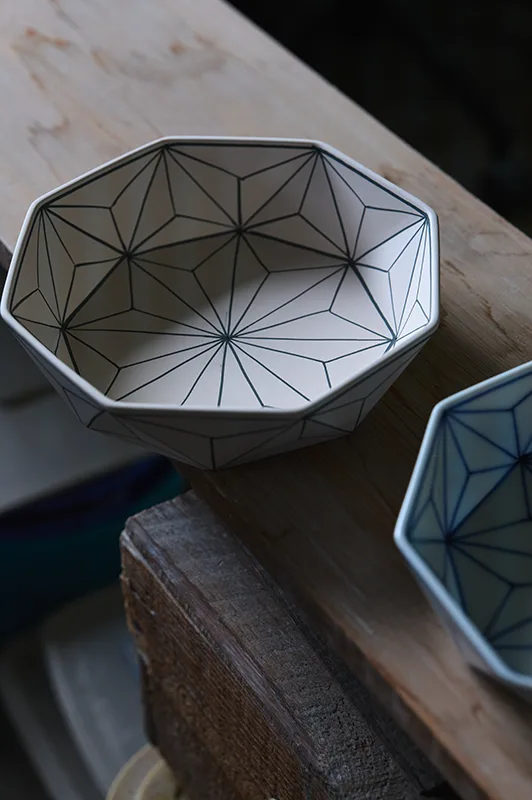
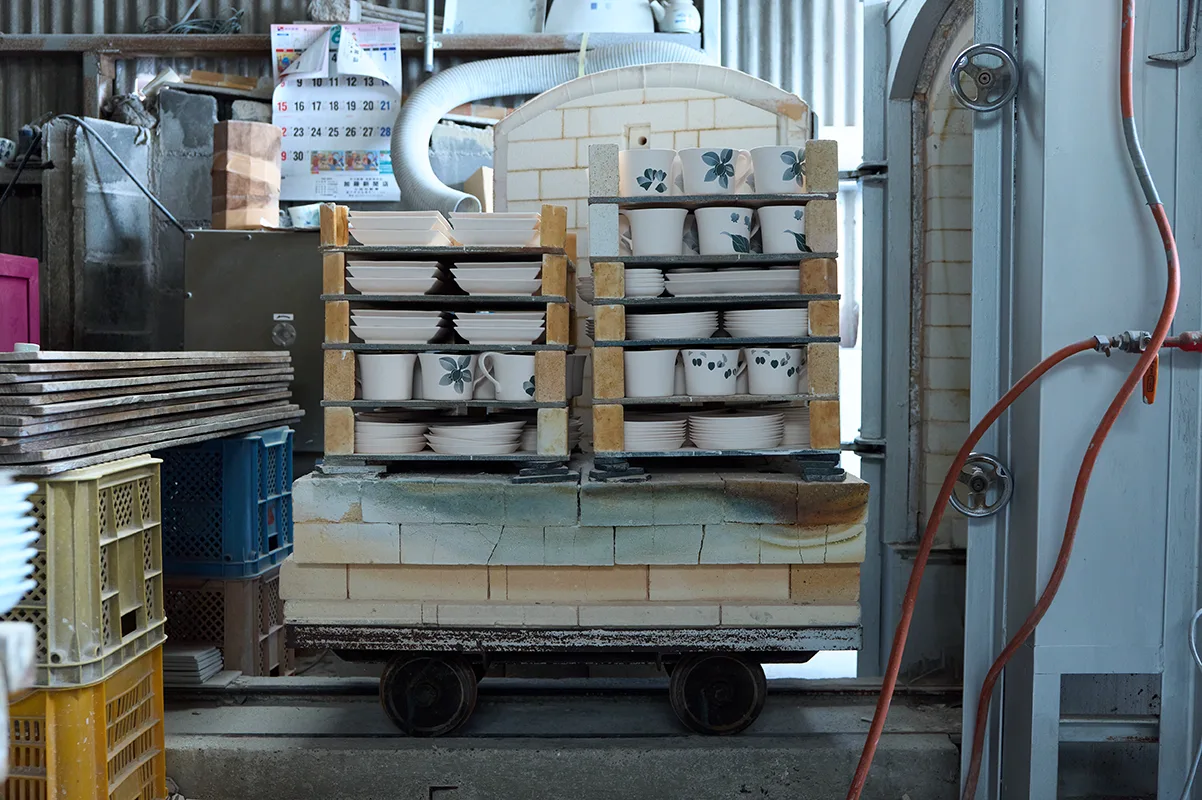
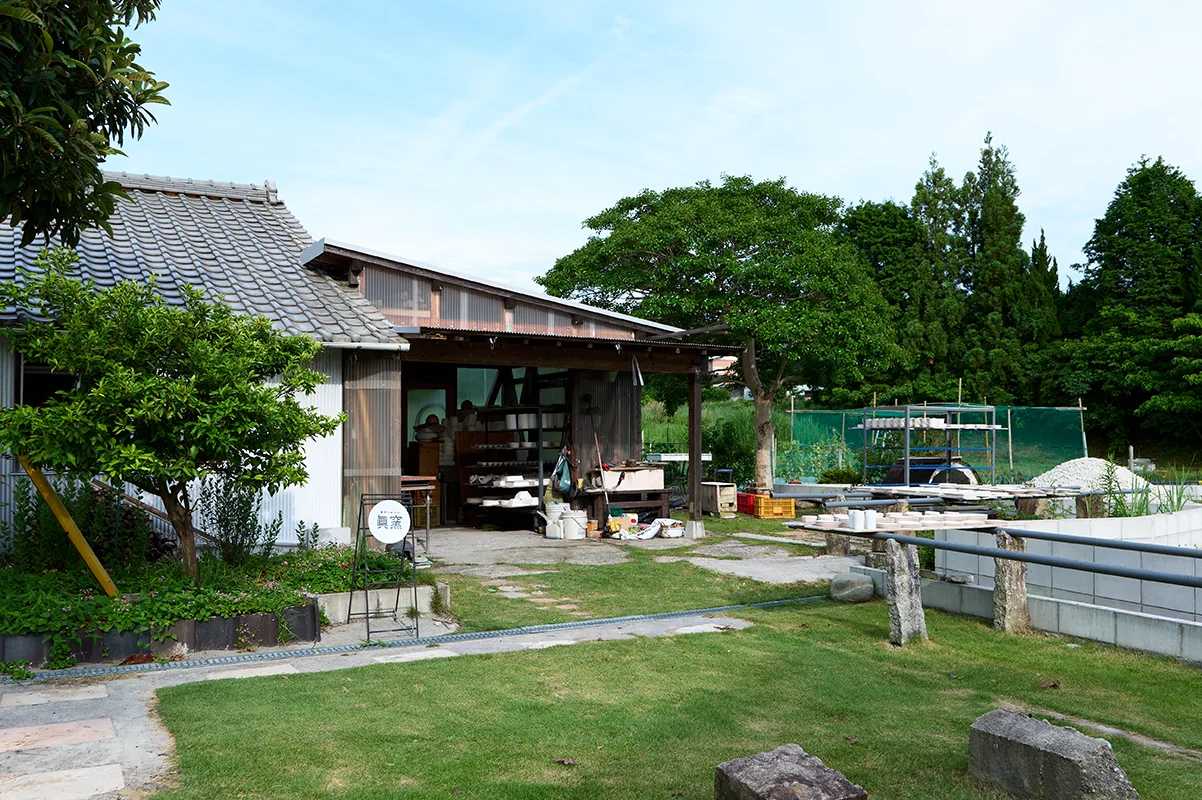
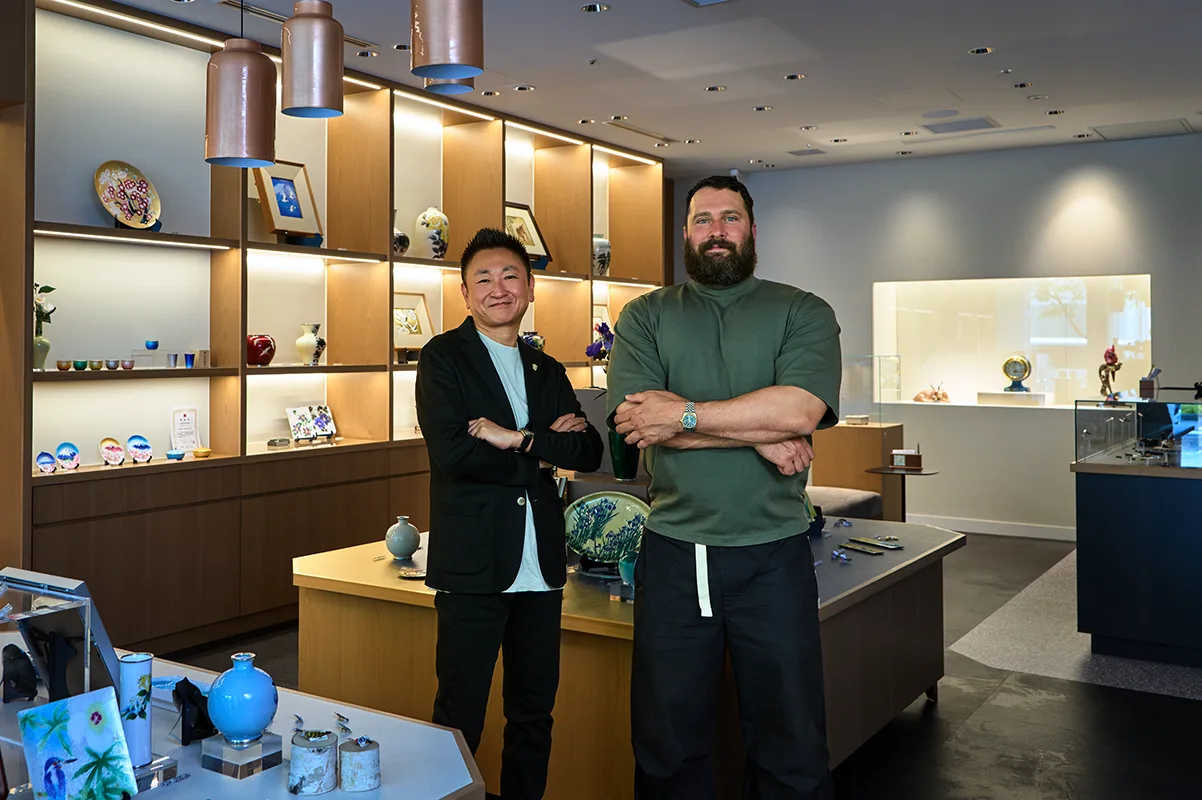
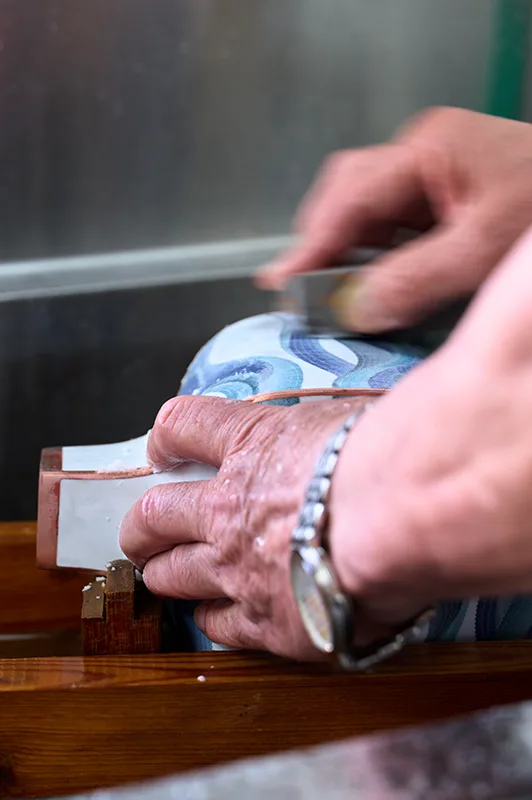
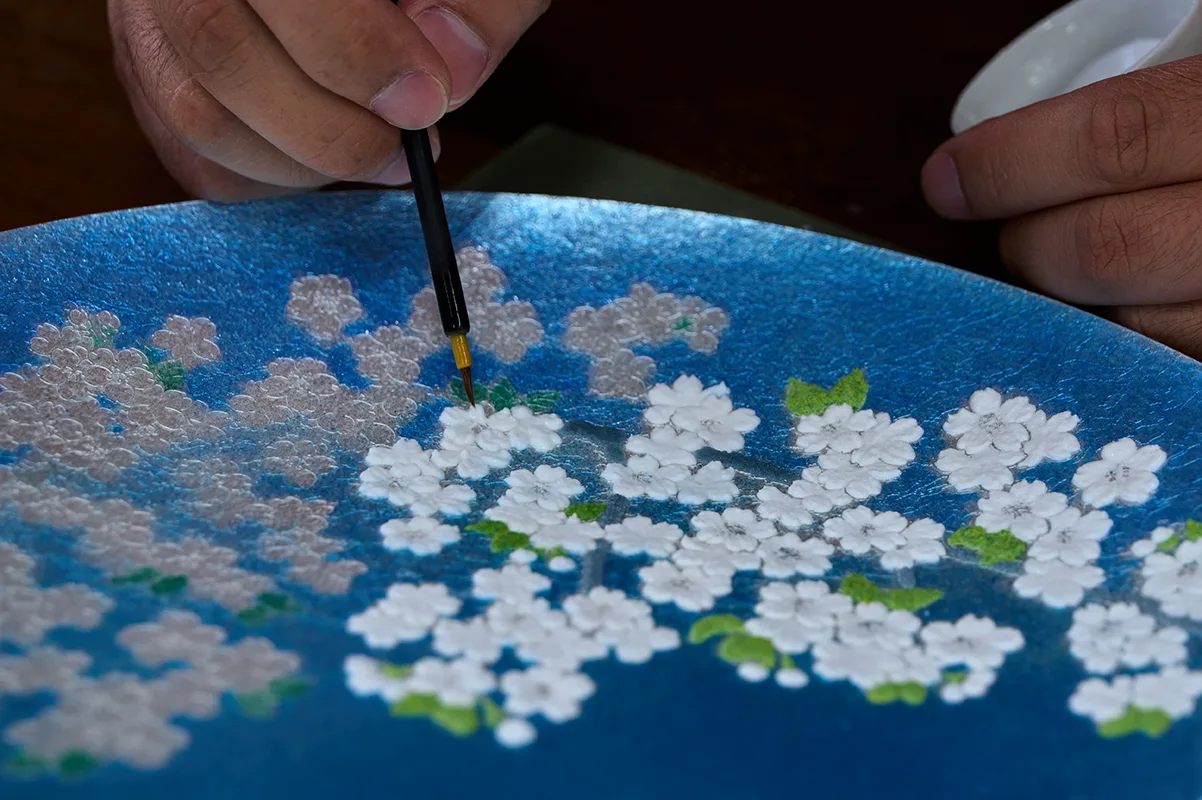
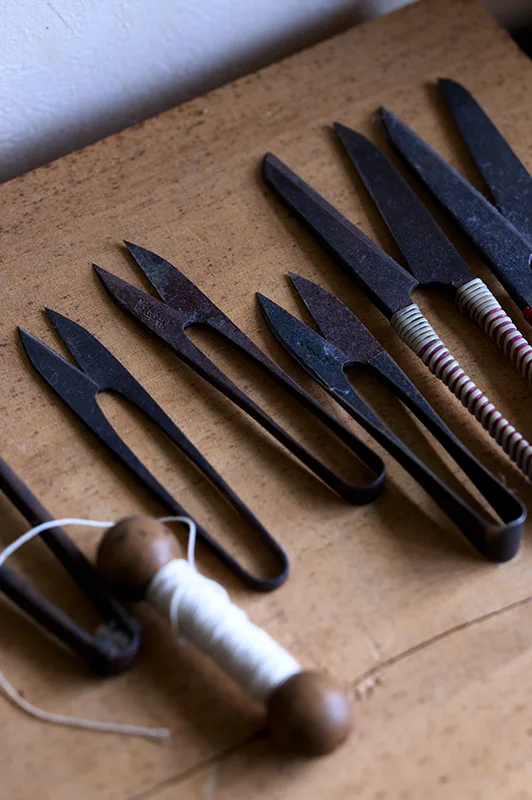
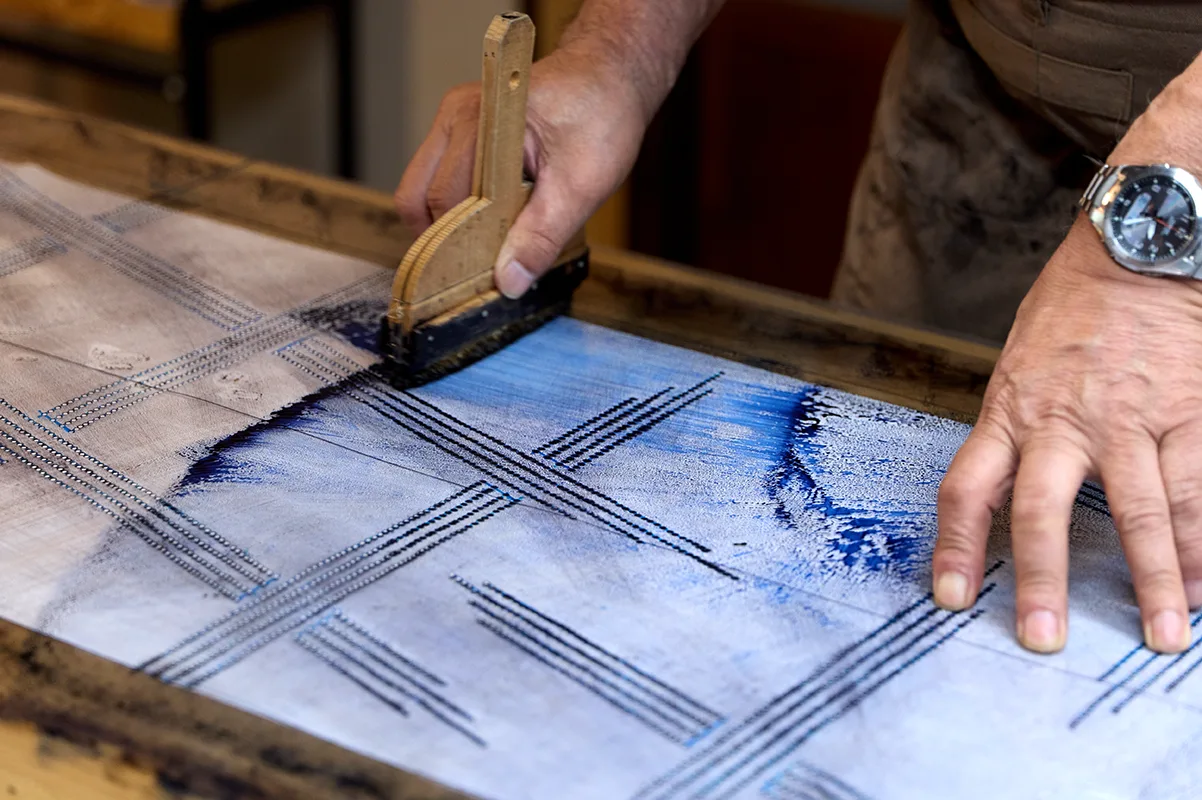
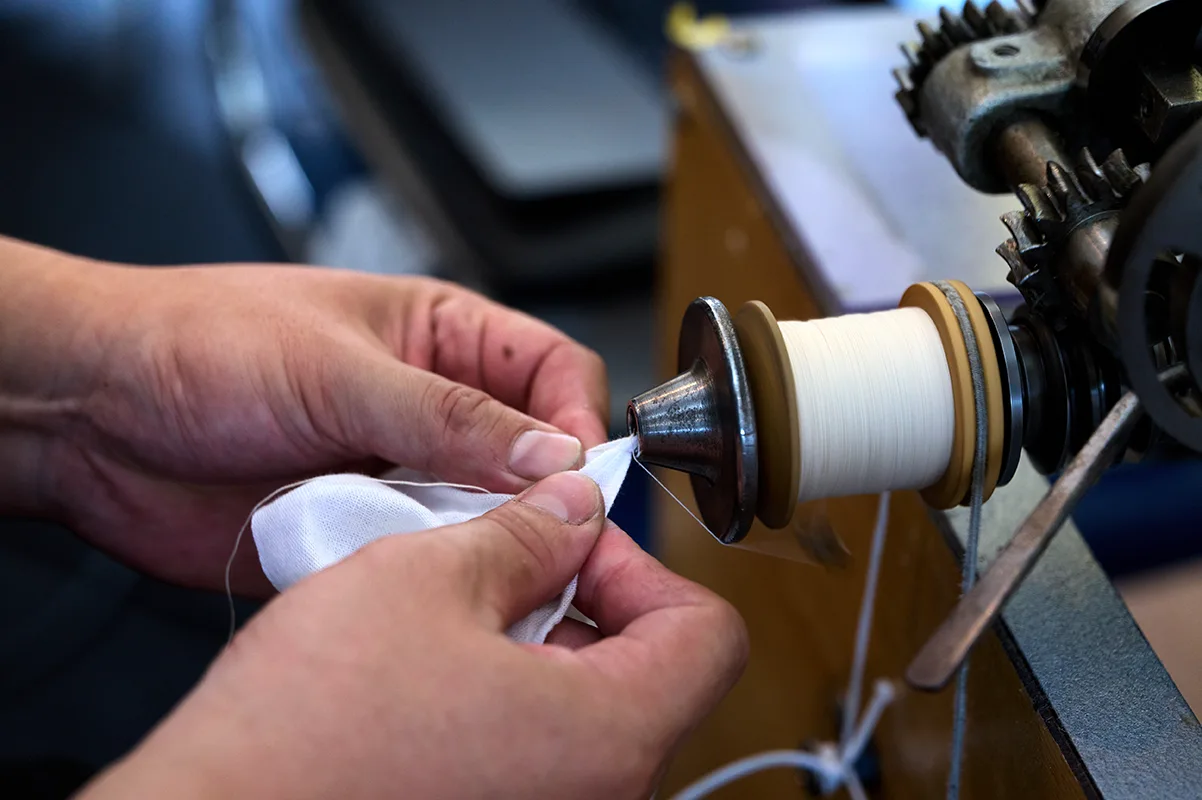
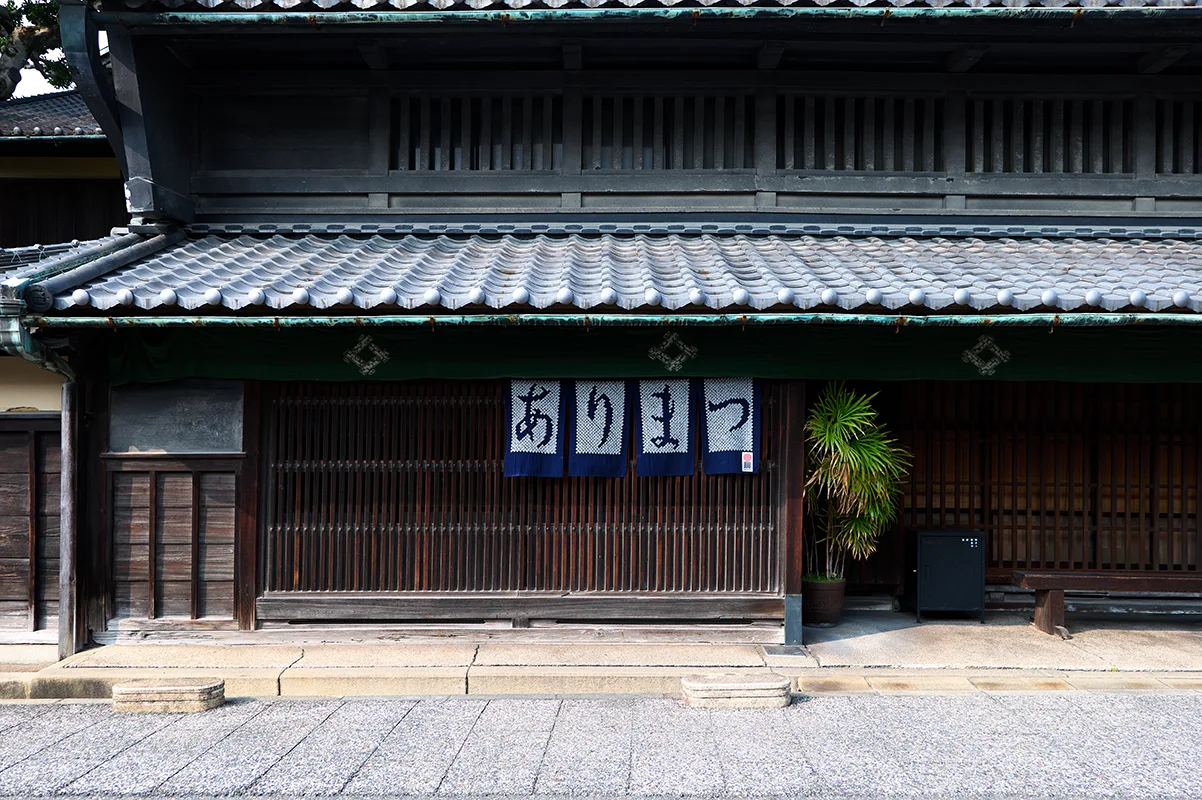
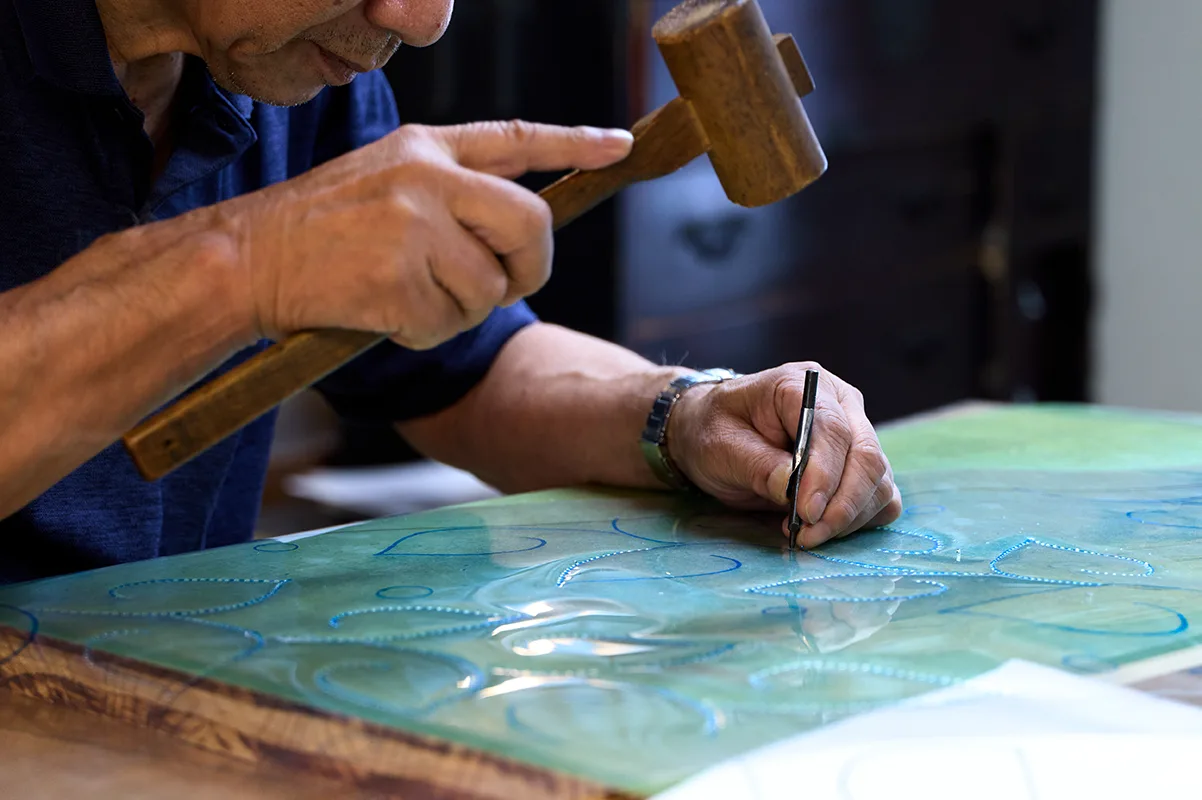
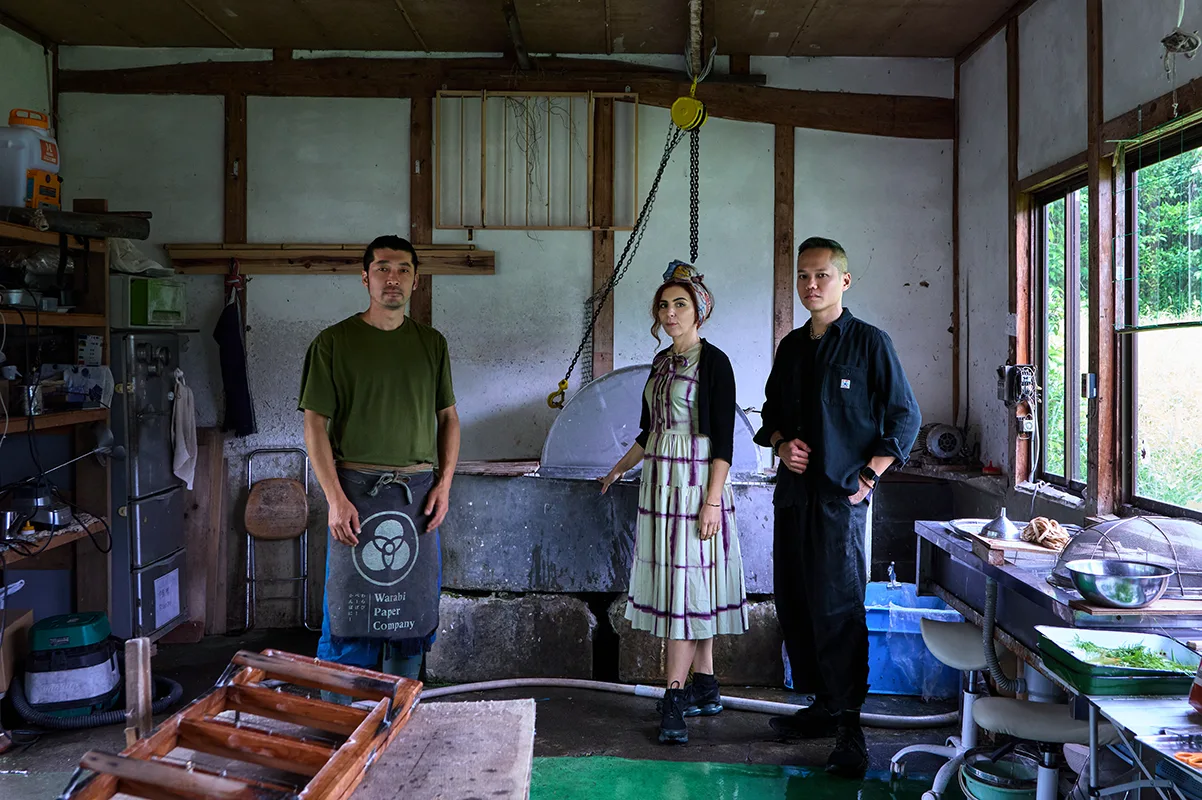
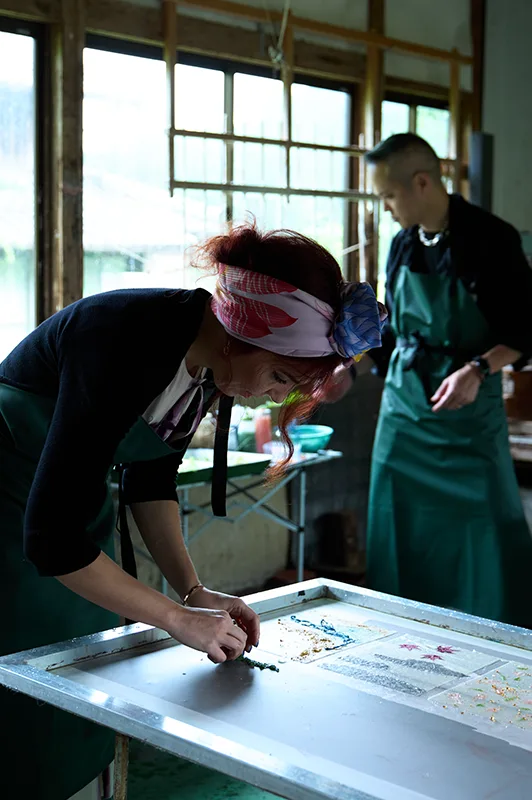
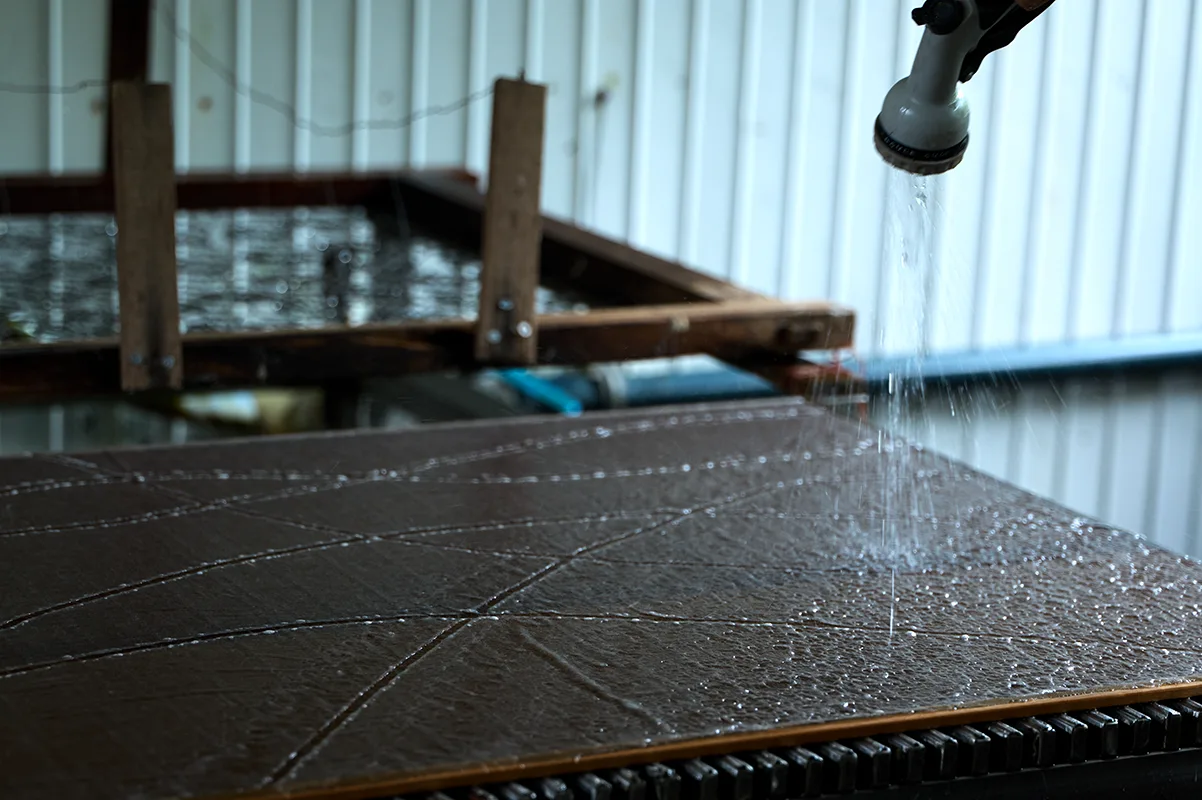
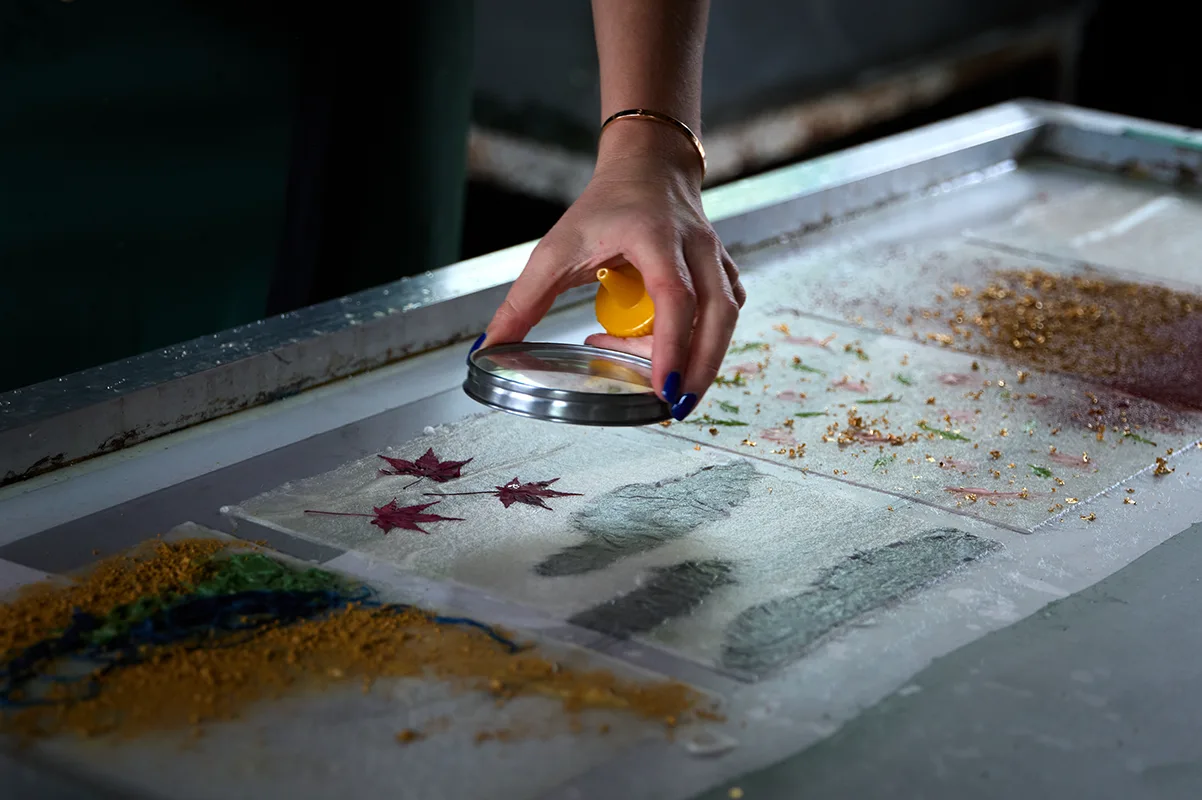
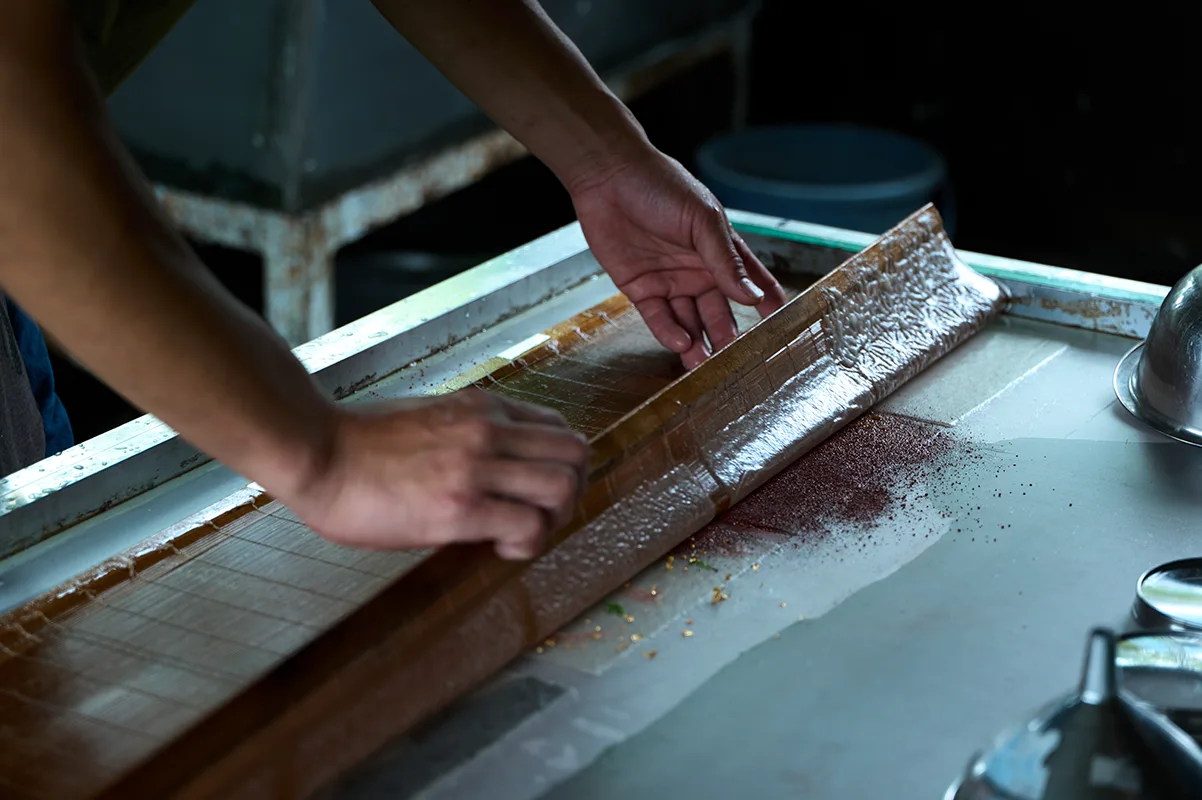
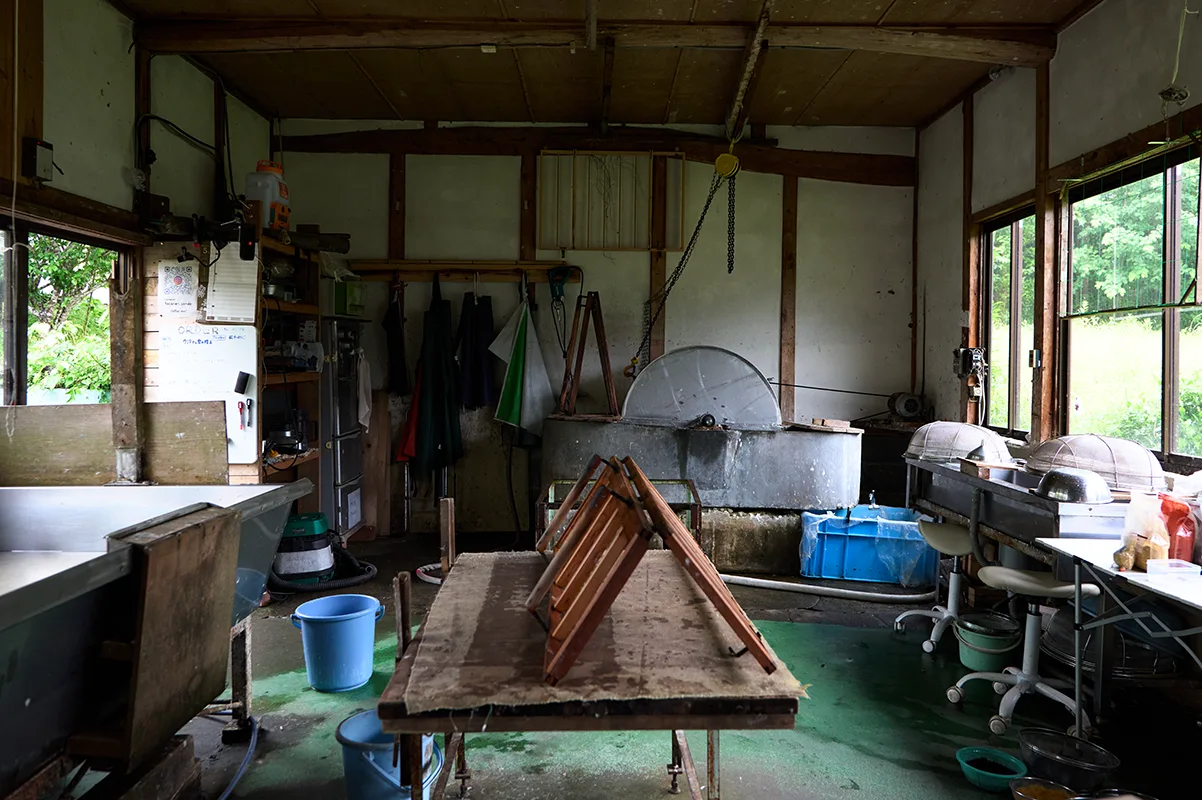
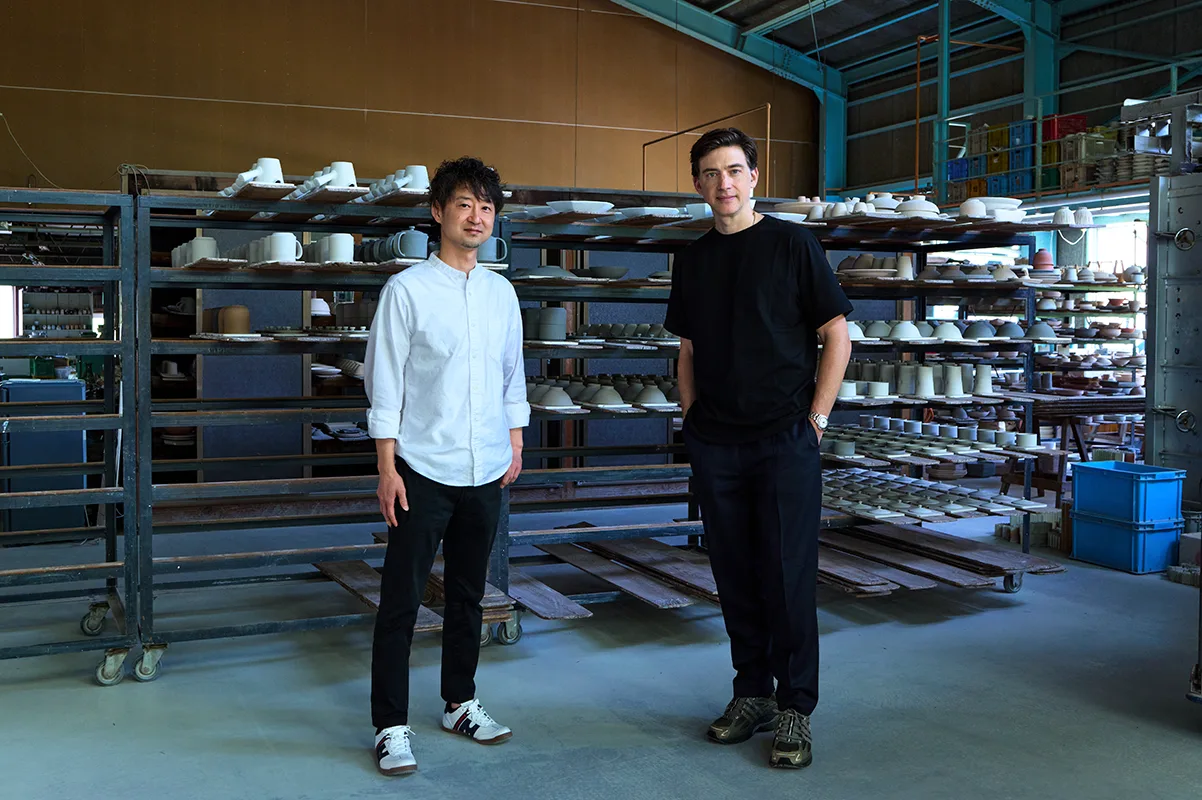
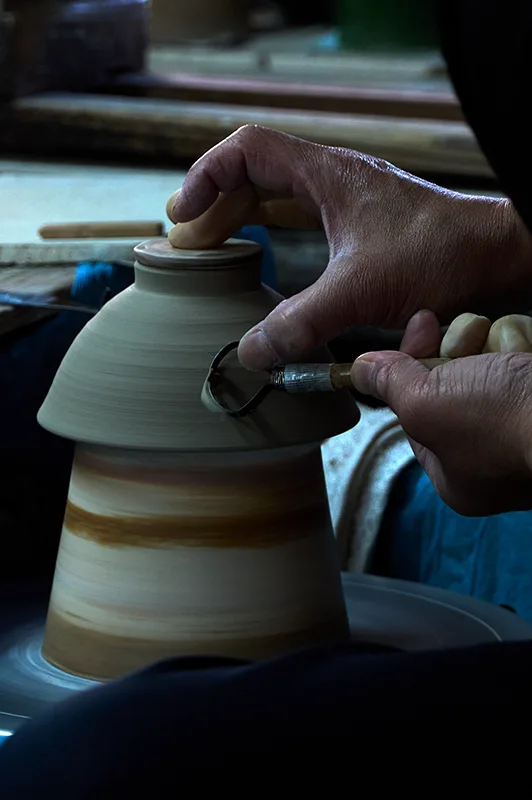
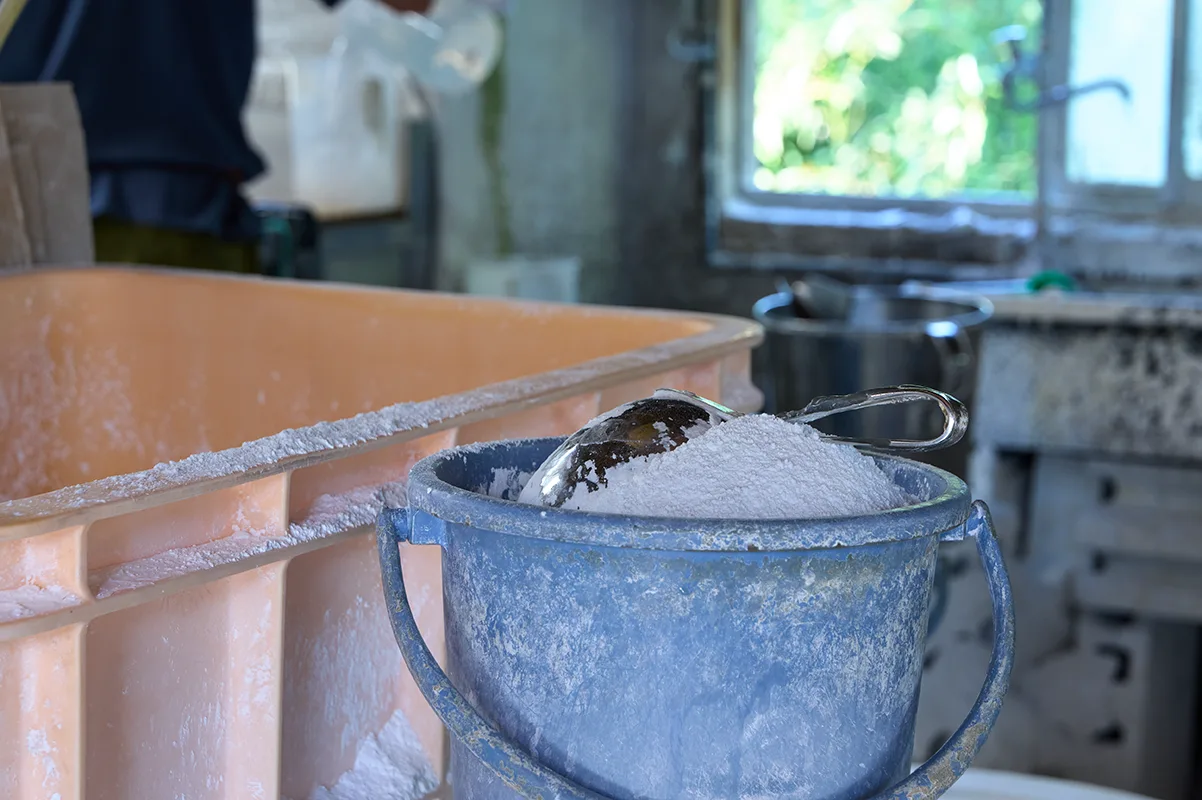
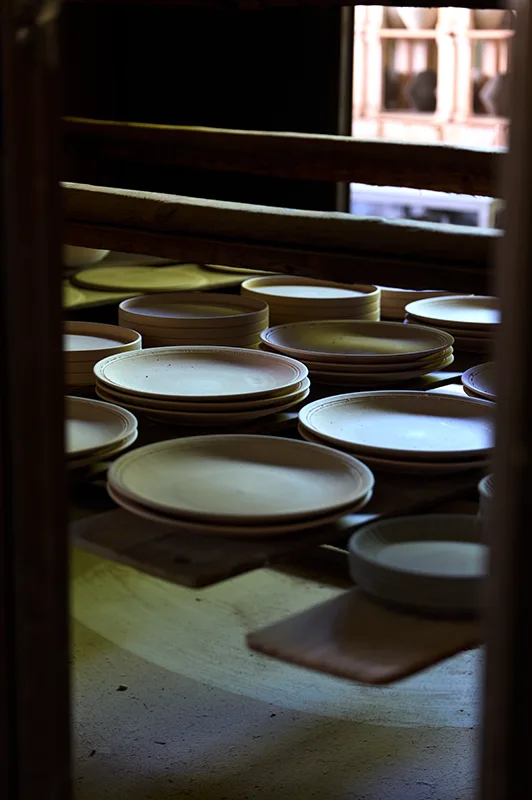
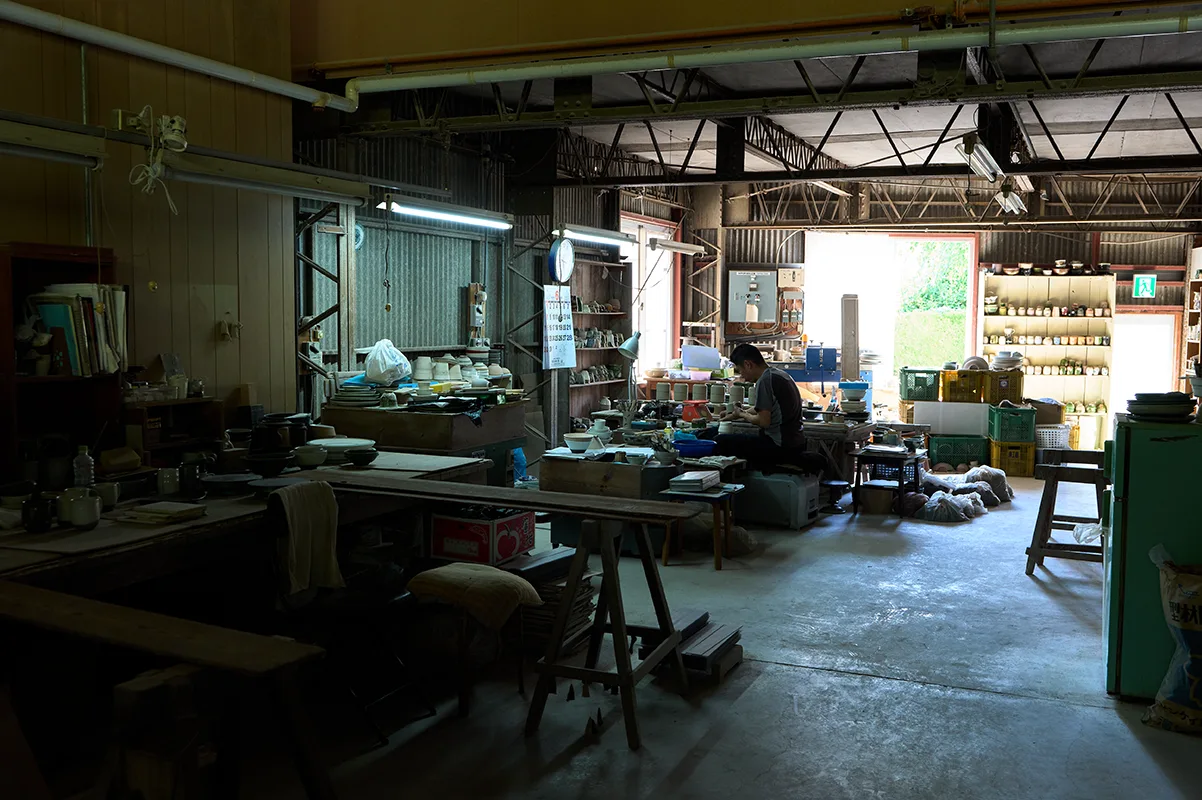
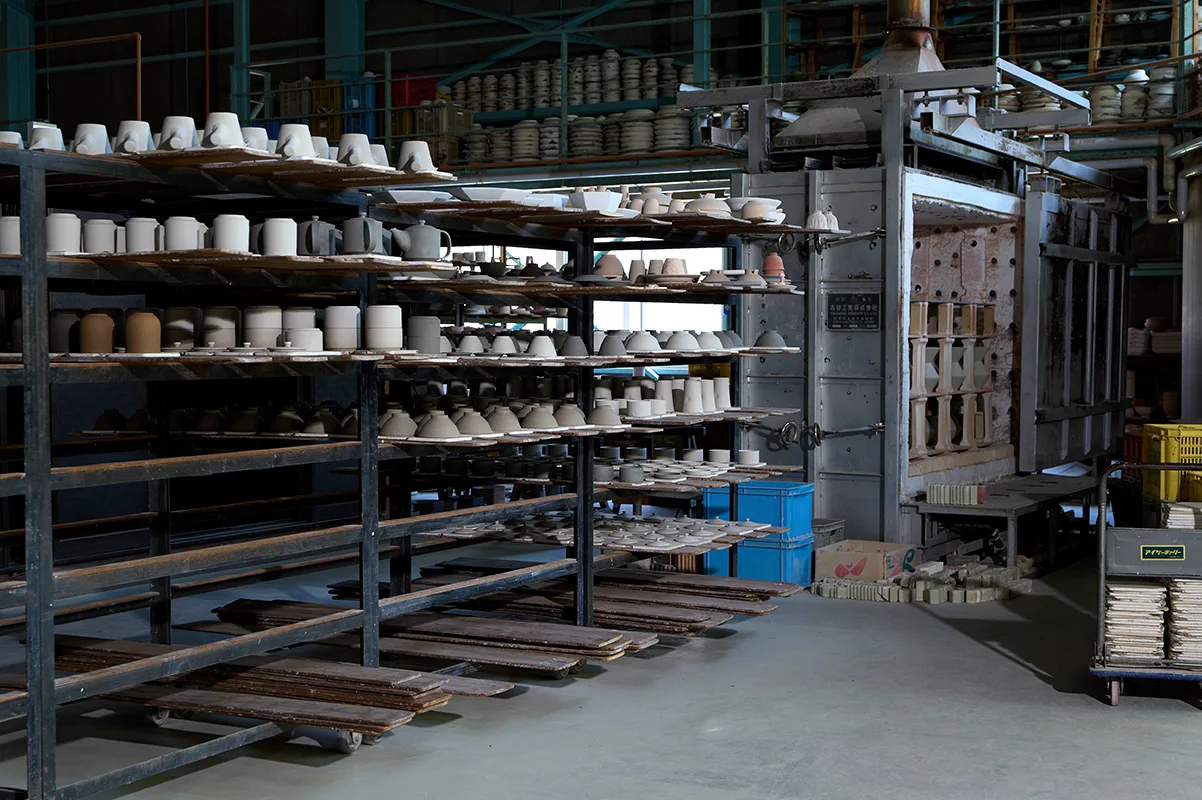
The craft-producing districts for the second edition of Craft x Tech are from the Tokai region of Japan. The participating craftspeople are producers of Mino Yaki (from Gifu prefecture), Mino Washi (from Gifu prefecture), Arimatsu Narumi Shibori (from Aichi prefecture), Owari Shippo (from Aichi prefecture), Seto Sometsuke Yaki (from Aichi prefecture), and Iga Kumihimo (from Mie prefecture).
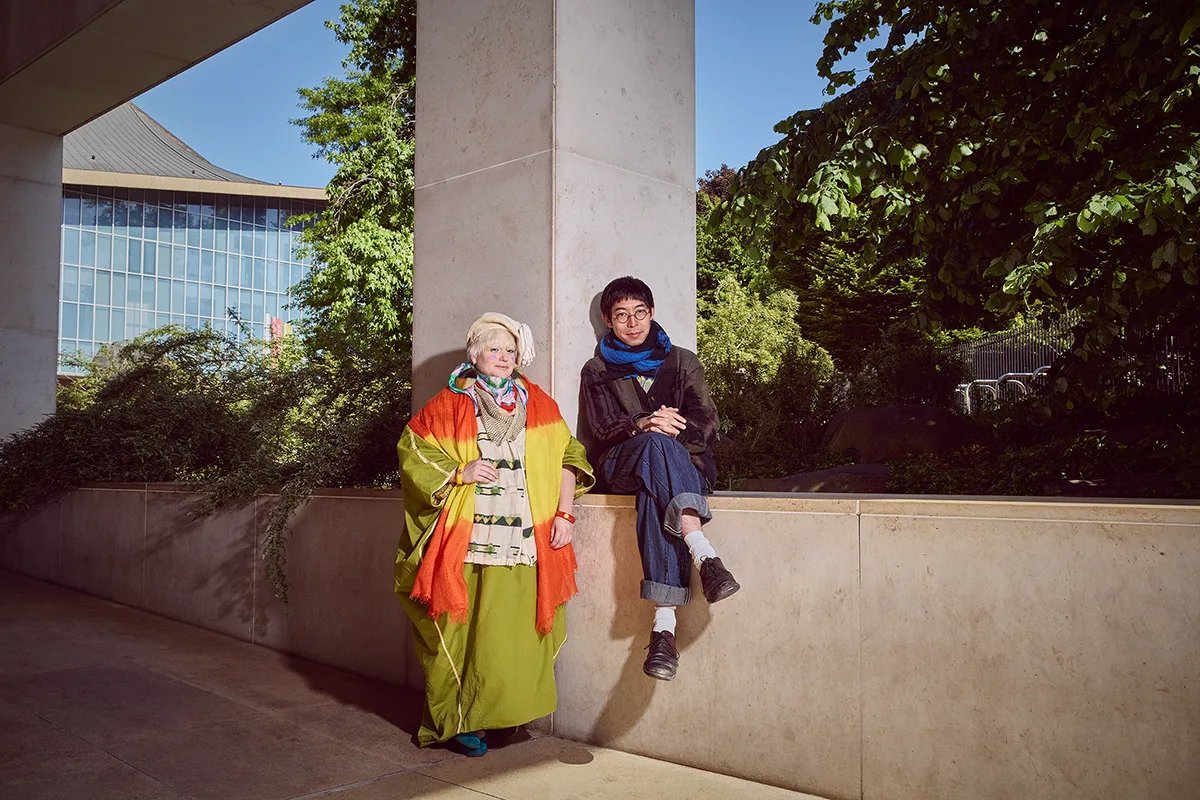
The designers who are collaborating with these master crafts producers are David Caon, Lanzavecchia + Wai, Bethan Laura Wood, Philippe Malouin, Eugene Kangawa (EUGENE STUDIO), and Atang Tshikare.
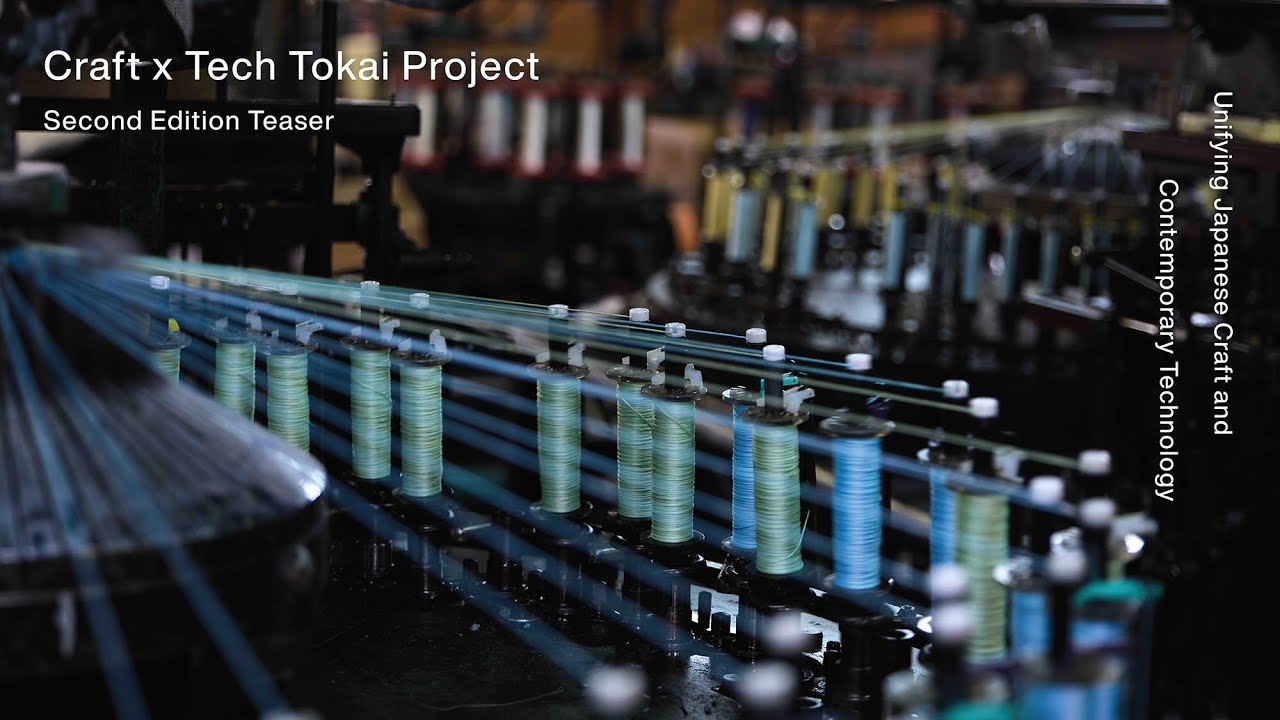
Movie
Tohoku
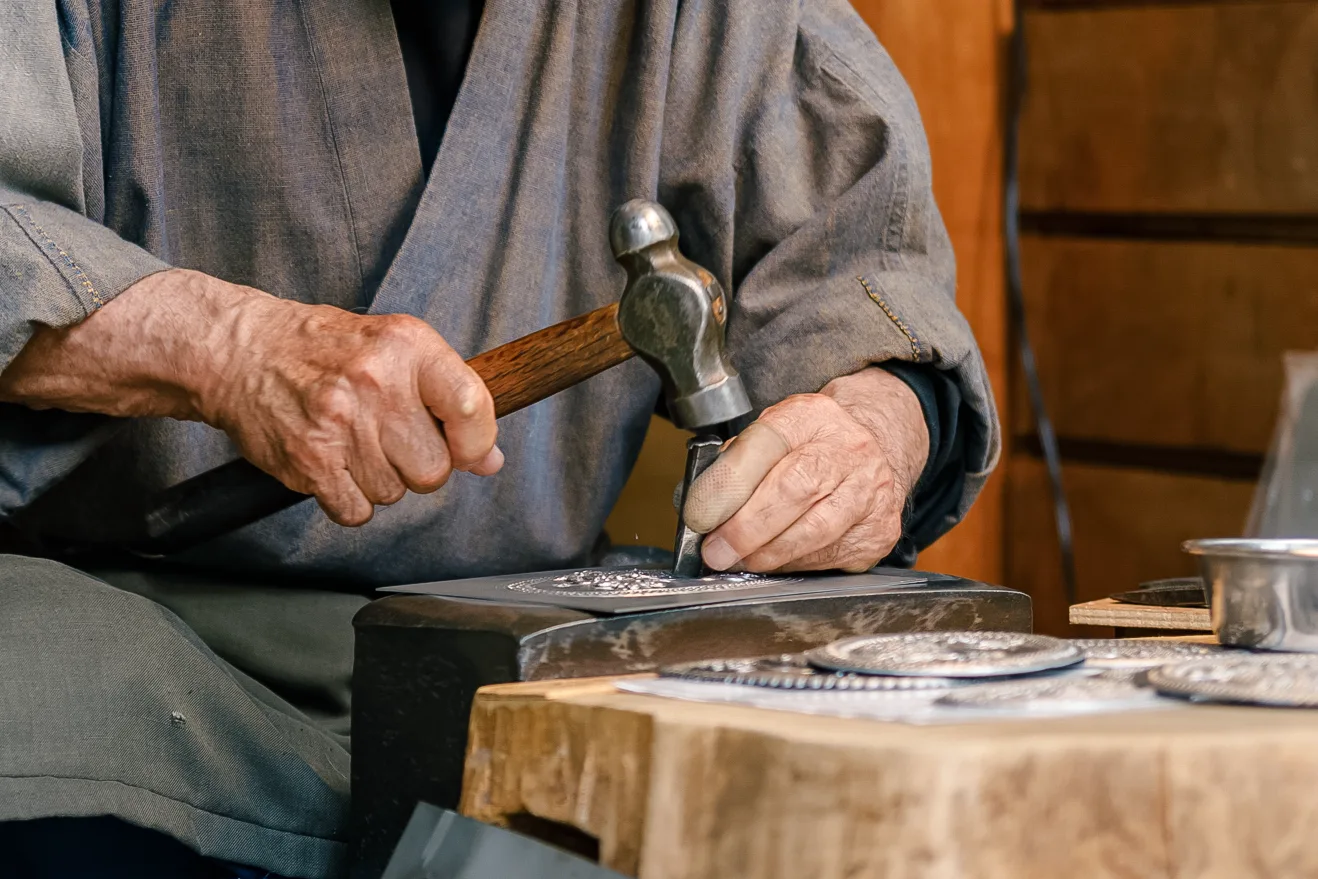
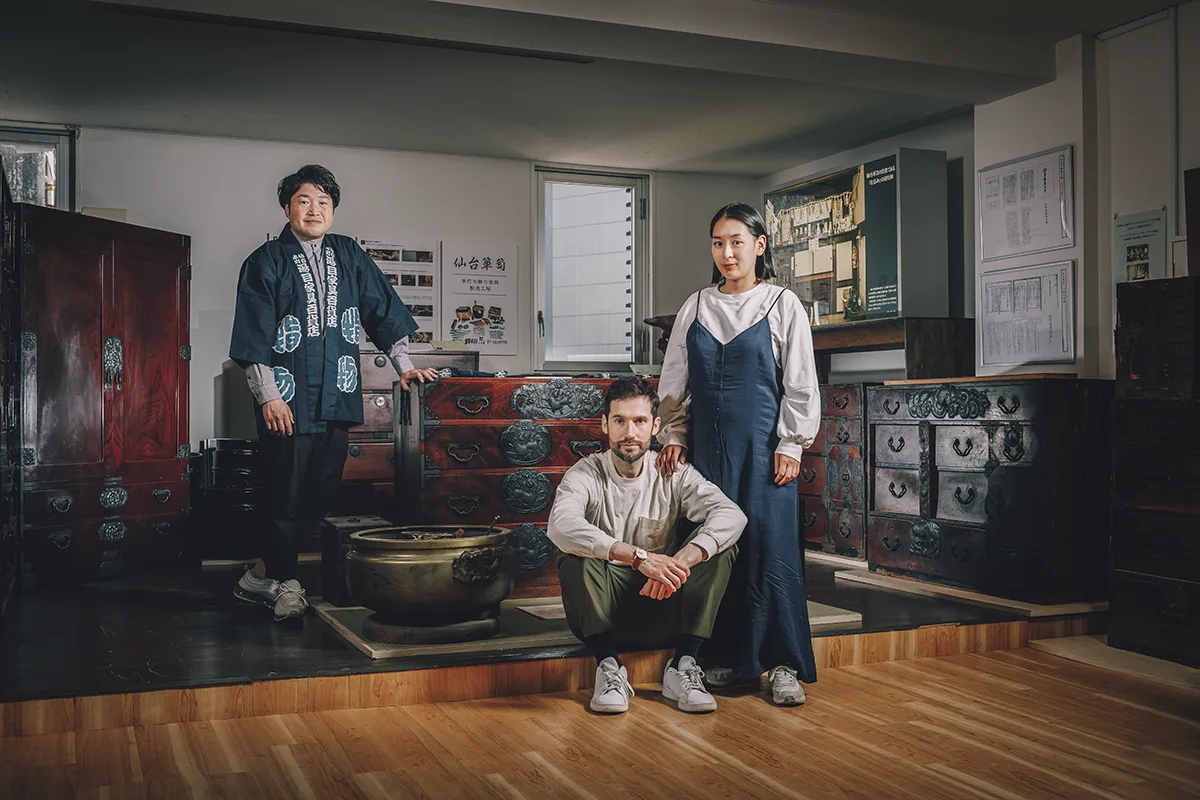
The craft-producing districts for the inaugural edition of Craft x Tech are from the six prefectures of the Tohoku (north-east) region of Japan. The participating craftspeople are producers of Tsugaru-Nuri lacquerware (from Aomori prefecture), Kawatsura-Shikki lacquerware (from Akita prefecture), Nambu-Tekki ironware (from Iwate prefecture), Sendai-Tansu cabinet making (from Miyagi prefecture), Oitama-Tsumugi textile (from Yamagata prefecture) and Aizu-Hongo-Yaki pottery (from Fukushima prefecture).
The designers who are collaborating with these master crafts producers are Sabine Marcelis, Azusa Murakami and Alexander Groves (Studio SWINE), Ini Archibong, Yoichi Ochiai, Hideki Yoshimoto, and Michael Young.
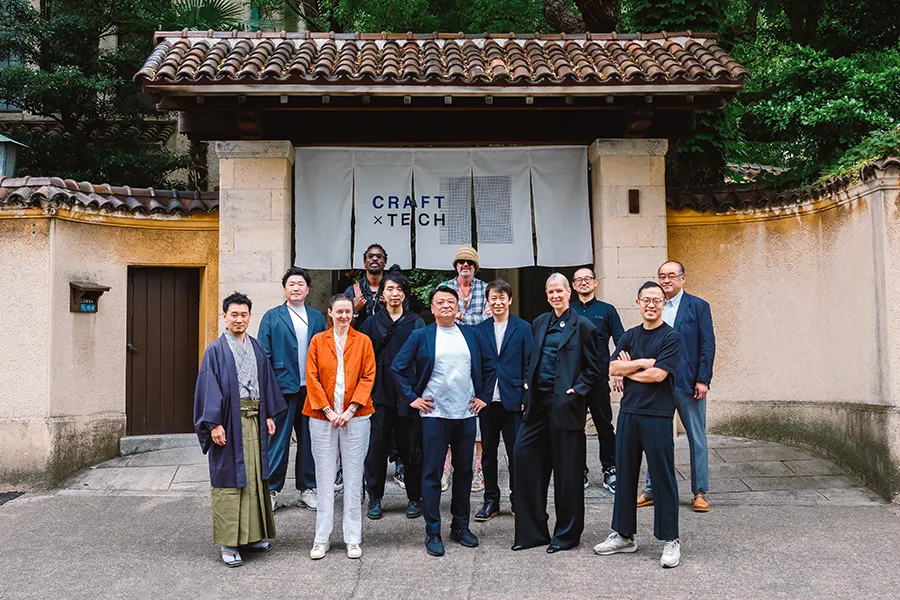
From the left is Gentaro Nitta, Rikiya Yunome, Maria Cristina Didero, Ini Archibong, Yoichi Ochiai, Keita Sato, Michael Young, Kenichi Ishioka, Sabine Marcelis, Kei Sato, Hideki Yoshimoto, Shuji Yumita (* Not pictured: Azusa Murakami and Alexander Groves of Studio SWINE)
06
Rain
Aizu Hongo Yaki x Hideki Yoshimoto
(Tohoku)
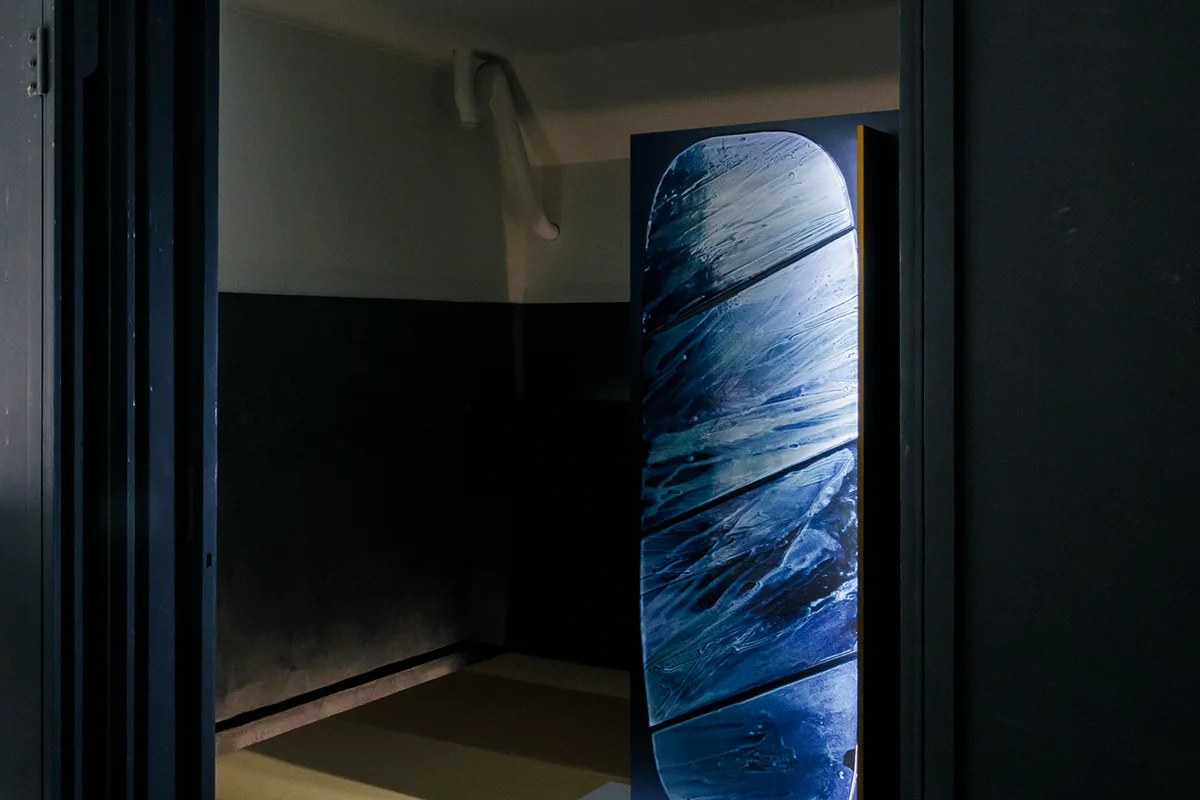
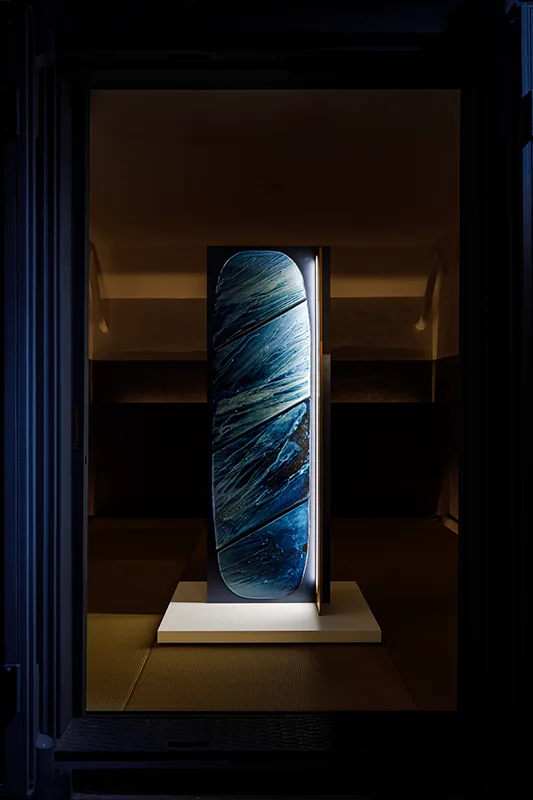
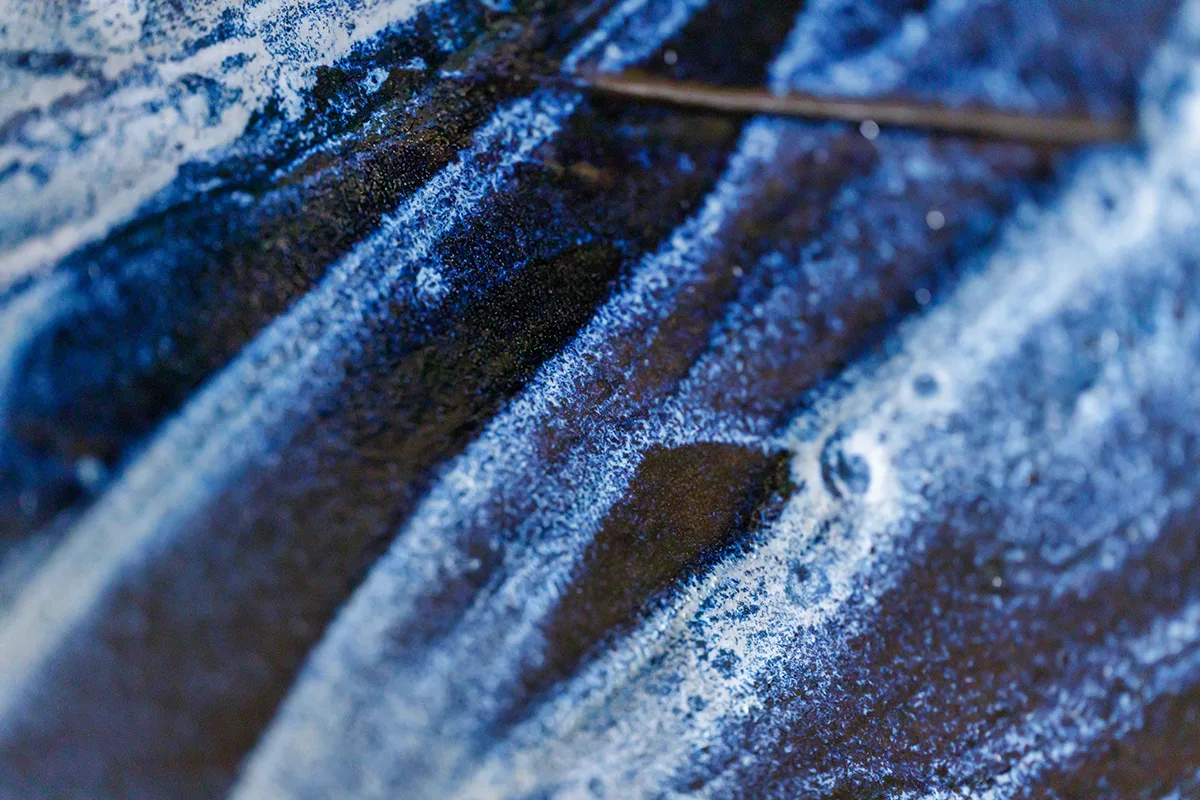
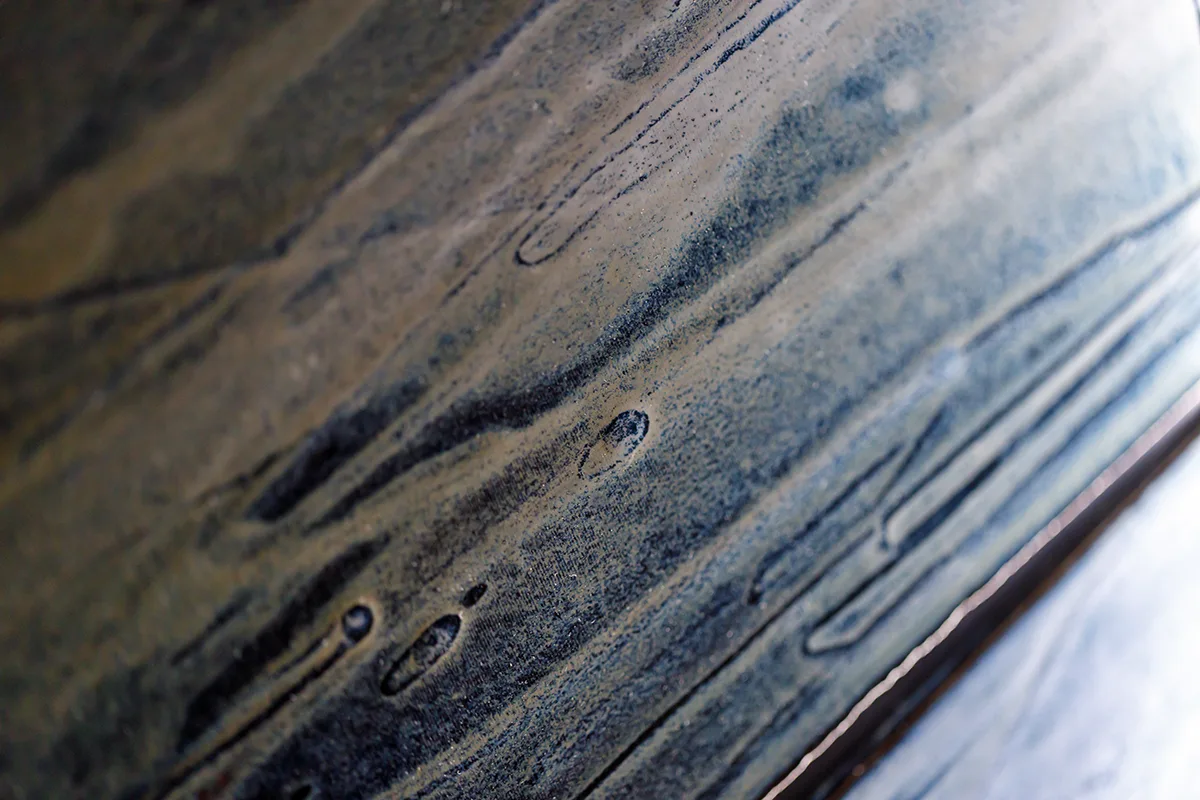
A floor lamp incorporating Aizu-Hongo-Yaki, the oldest pottery in Tohoku, is embedded into a monolithic structure. The large ceramic slate was fired with a unique glaze that evokes the appearance of falling rain. To combine the handmade ceramics, which shrink and warp during firing, with different materials, the fired slate was scanned and converted into digital data. This data was then used to precisely cut resin and metal materials, achieving the final composition.
A floor lamp incorporating Aizu-Hongo-Yaki, the oldest pottery in Tohoku, is embedded into a monolithic structure. The large ceramic slate was fired with a unique glaze that evokes the appearance of falling rain. To combine the handmade ceramics, which shrink and warp during firing, with different materials, the fired slate was scanned and converted into digital data. This data was then used to precisely cut resin and metal materials, achieving the final composition.
05
Blossom Links
Nambu Tekki x Michael Young
(Tohoku)
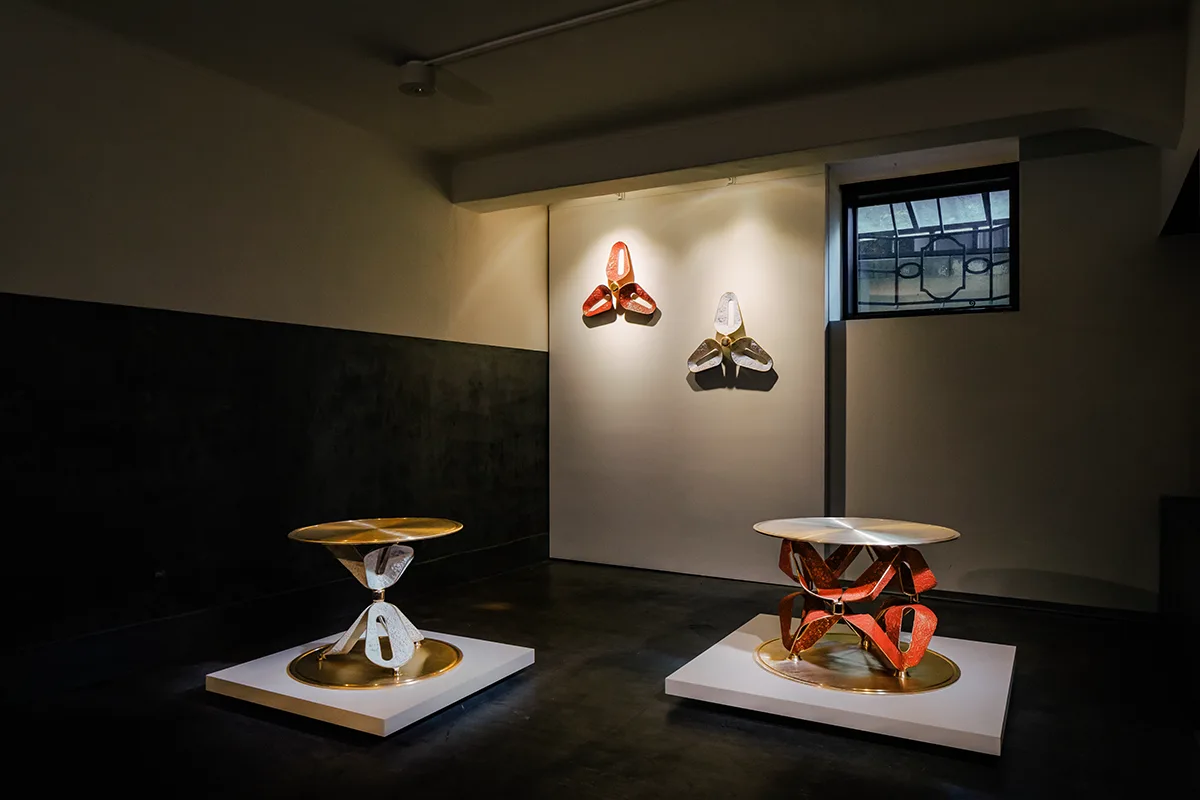
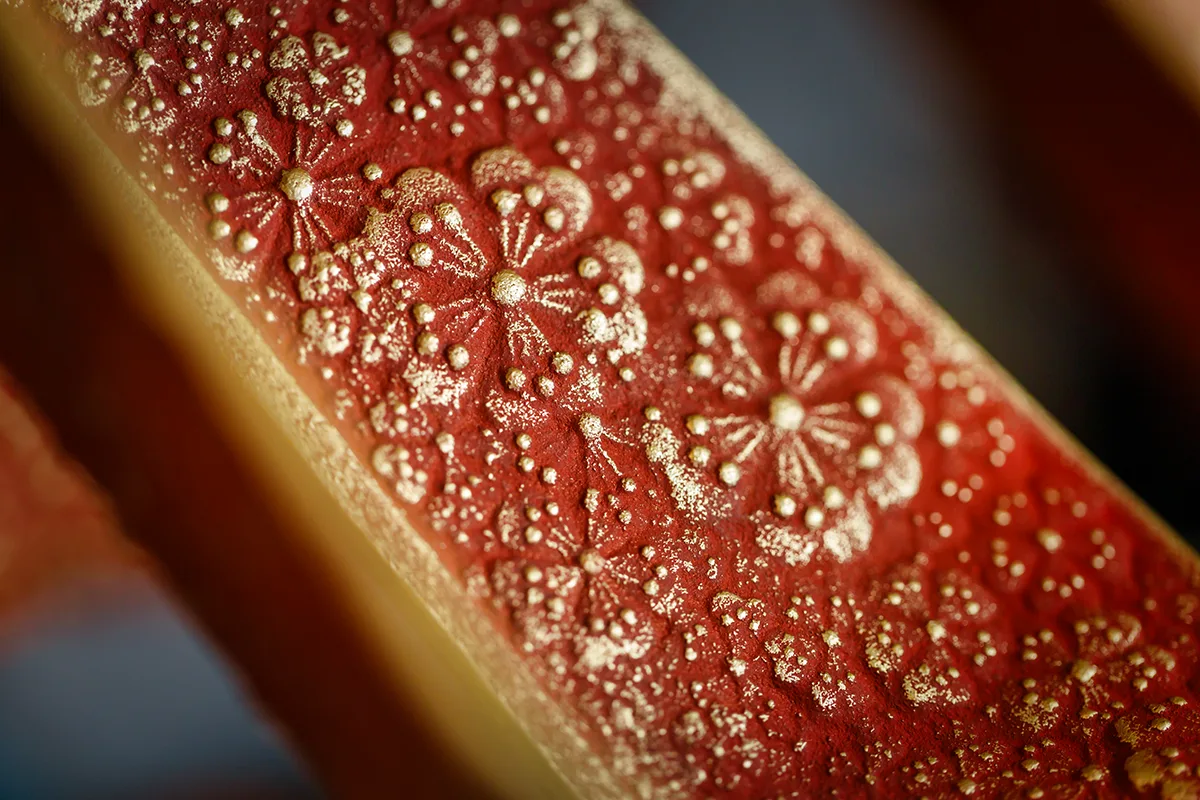
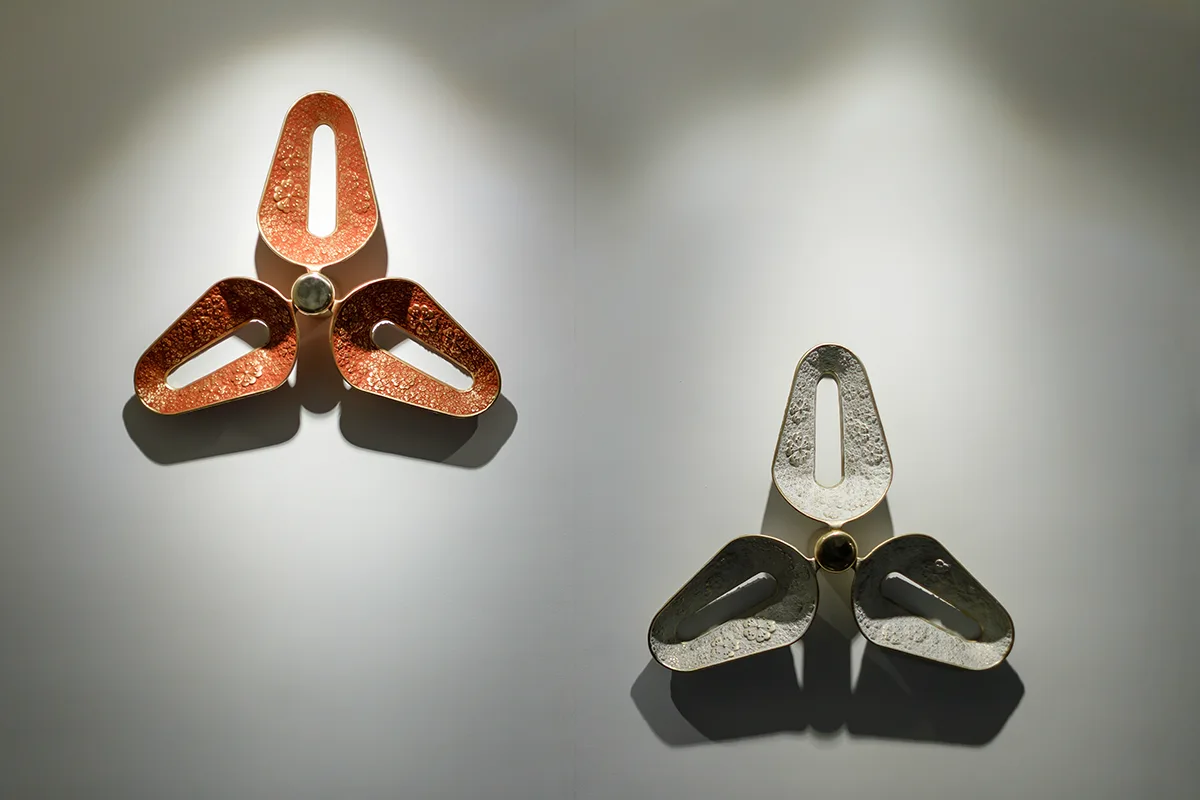
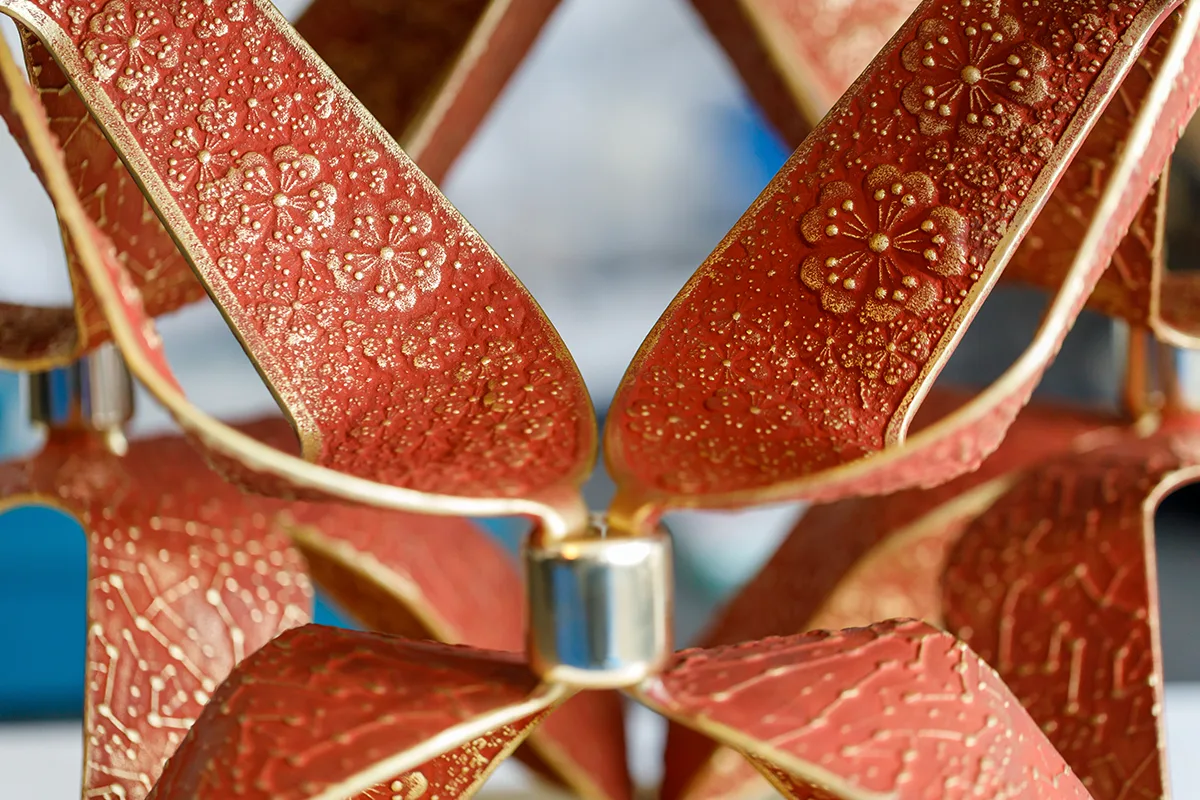
Combining identical iron modules through precise calculations creates tables of various sizes and wall-mounted pieces. Its structural system was developed when the designer revisited modularity studies he conducted decades ago, approaching them with fresh eyes and exploring the functional structure within mathematical limitations. The modules are adorned with traditional cherry blossom and unique geometric patterns, realized with 3D printing technology.
Combining identical iron modules through precise calculations creates tables of various sizes and wall-mounted pieces. Its structural system was developed when the designer revisited modularity studies he conducted decades ago, approaching them with fresh eyes and exploring the functional structure within mathematical limitations. The modules are adorned with traditional cherry blossom and unique geometric patterns, realized with 3D printing technology.
04
ヌベルニ庵 / Null-Beni-An / Nouvelle Néant
Oitama Tsumugi x Yoichi Ochiai
(Tohoku)
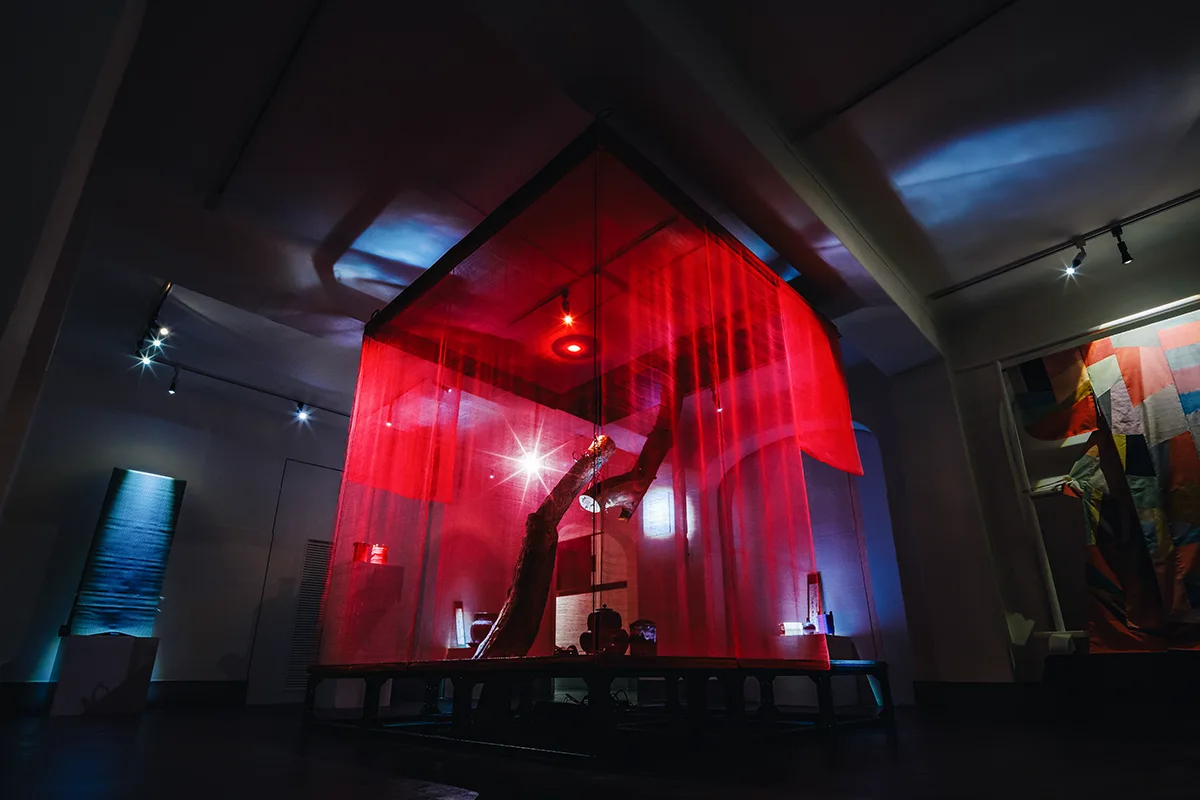
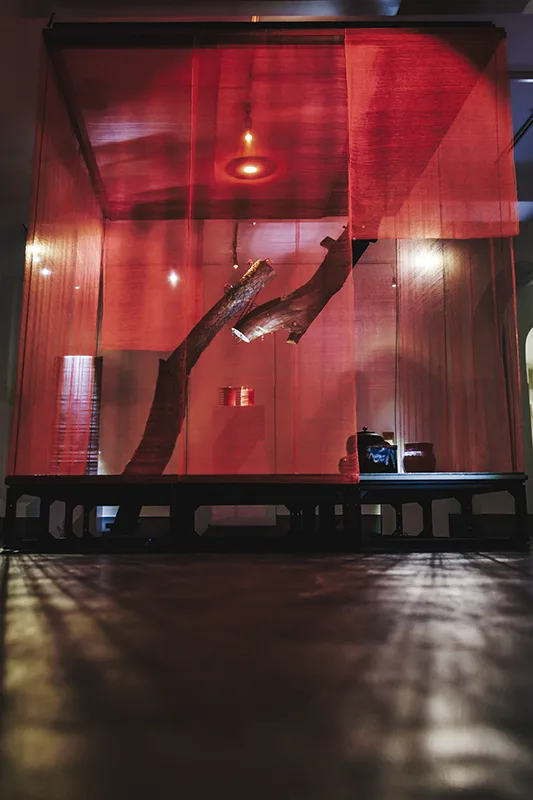
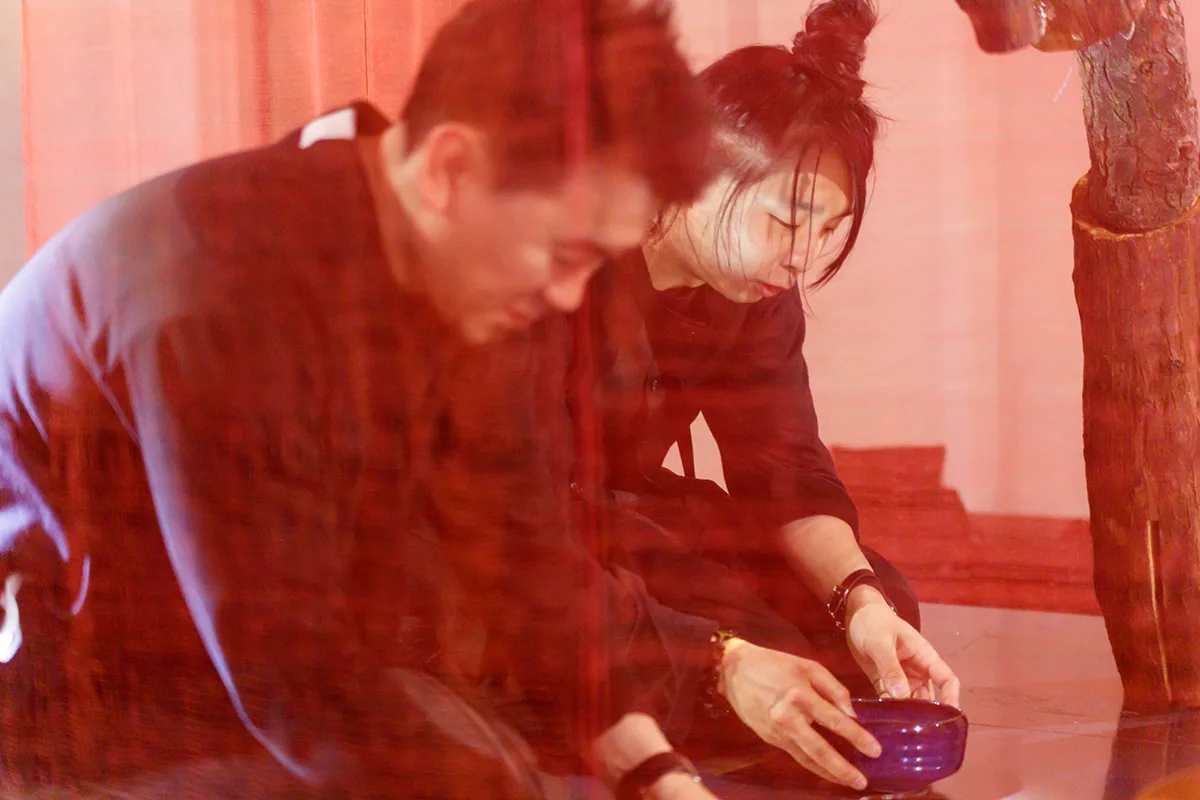
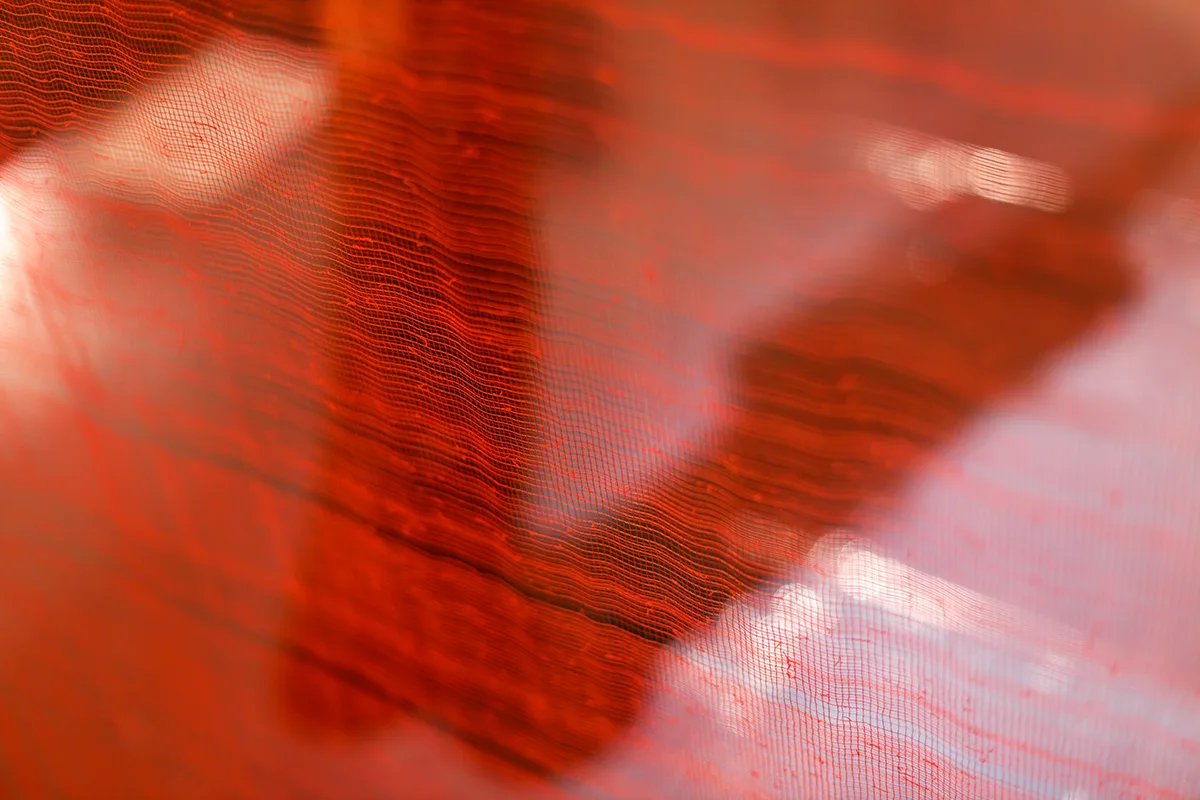
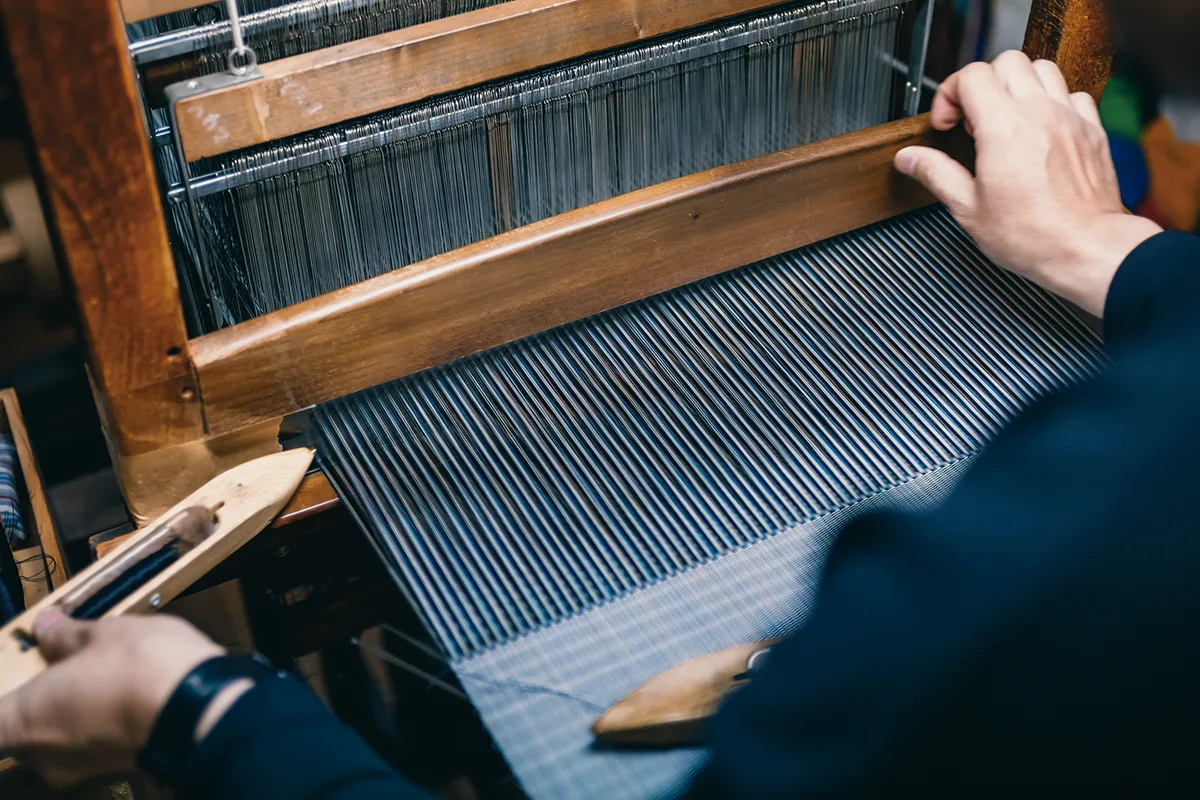
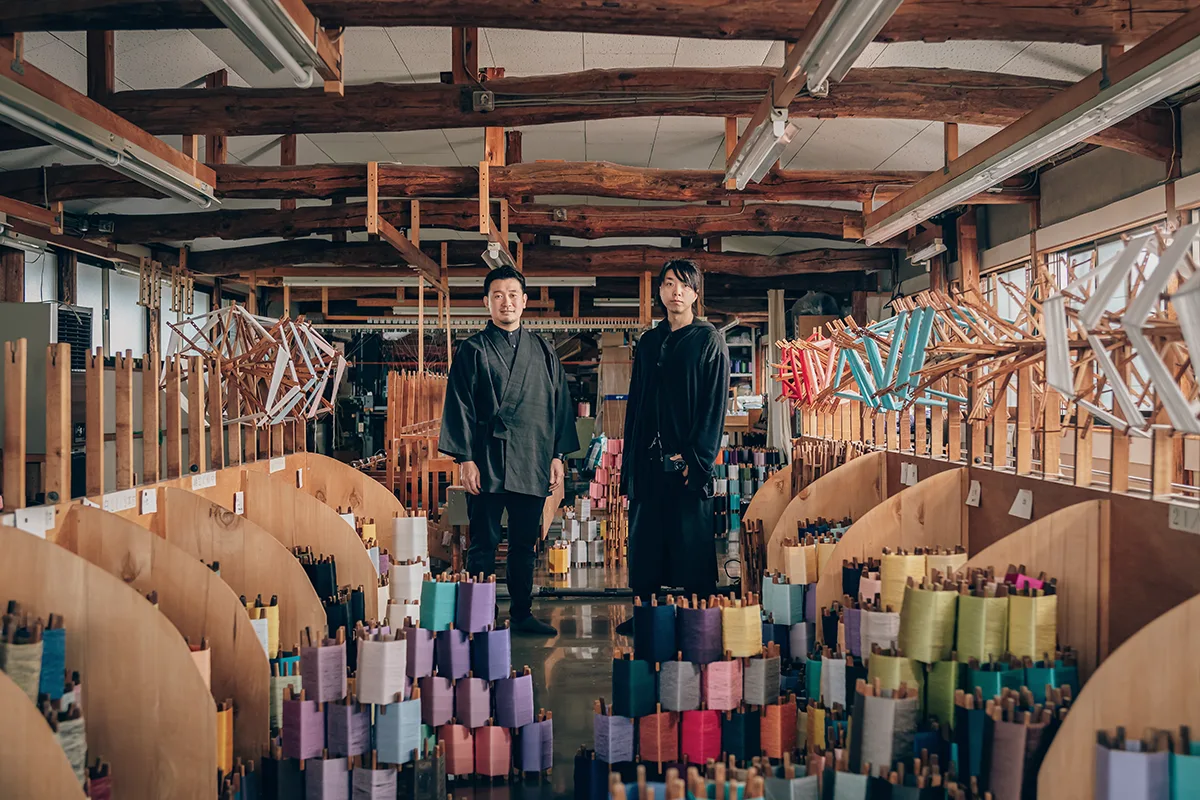
A tea room made of benibana-dyed Oitama Tsumugi symbolises the resonance of null philosophy, digital nature, and traditional craftsmanship. This tea room has no pillars due to its tensegrity structure and is connected at the top and bottom by natural wood placed in the centre and safflower-dyed strings in the four corners. This mobile tea room centres on the principles of 'Somoku-to' and 'AII sentient beings possess Buddha-nature,' aiming to create a space that symboilses the spirit of the land, history, and DIY culture. It embodies the universal truth of classic Japanese philosophy that all life has Buddha-nature, making it a place that feels the breath of computational life.
A tea room made of benibana-dyed Oitama Tsumugi symbolises the resonance of null philosophy, digital nature, and traditional craftsmanship. This tea room has no pillars due to its tensegrity structure and is connected at the top and bottom by natural wood placed in the centre and safflower-dyed strings in the four corners. This mobile tea room centres on the principles of 'Somoku-to' and 'AII sentient beings possess Buddha-nature,' aiming to create a space that symboilses the spirit of the land, history, and DIY culture. It embodies the universal truth of classic Japanese philosophy that all life has Buddha-nature, making it a place that feels the breath of computational life.
03
Artifact #VII
Tsugaru Nuri x Ini Archibong
(Tohoku)
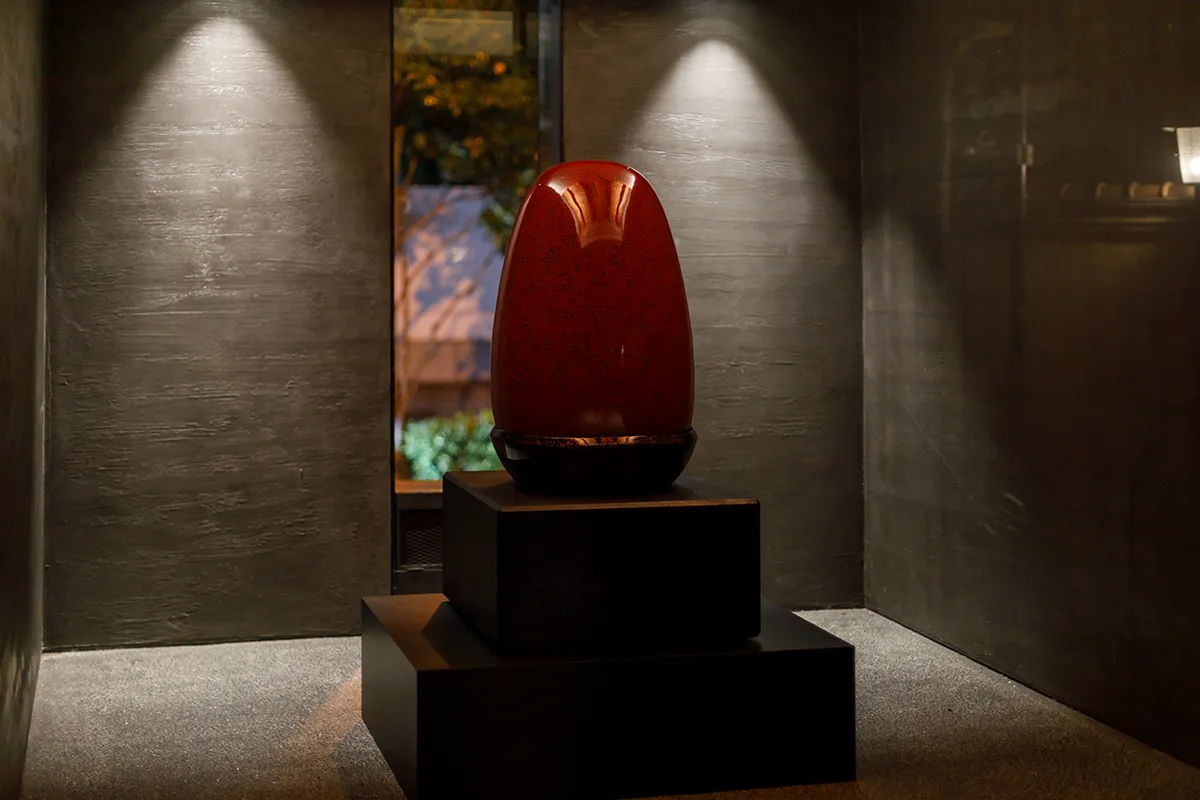
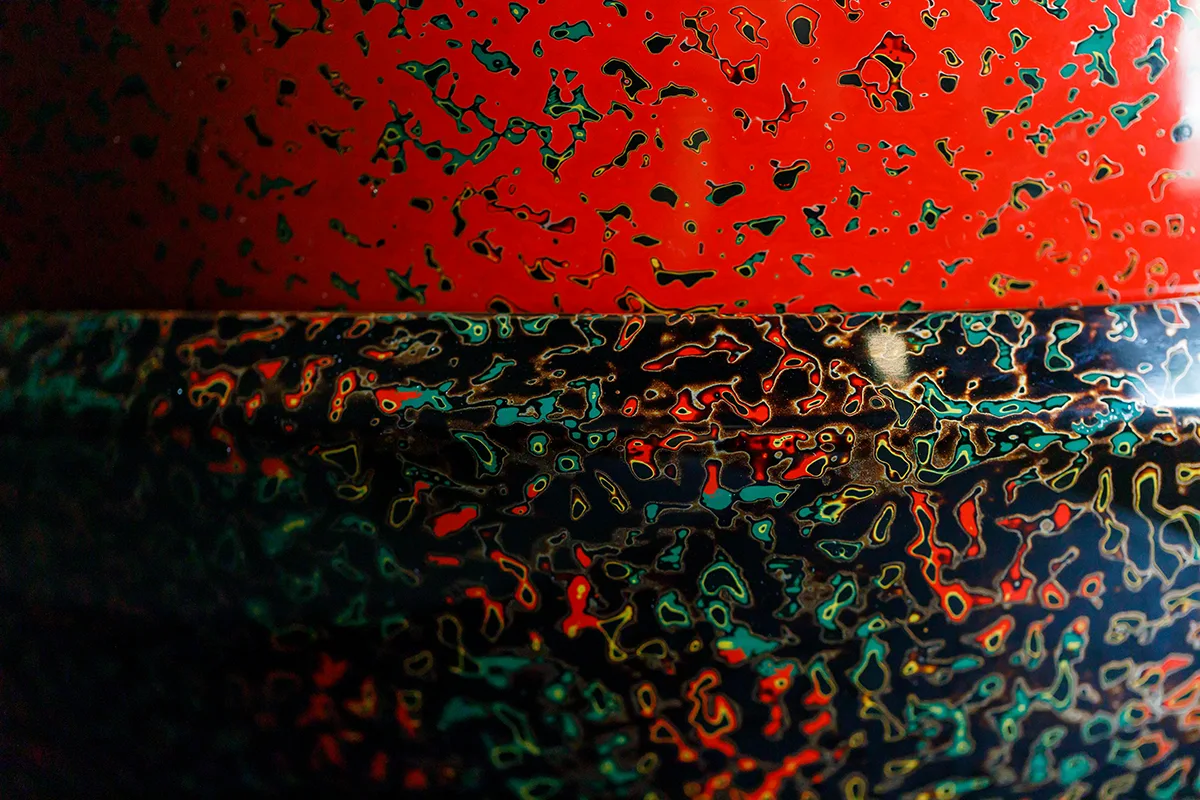
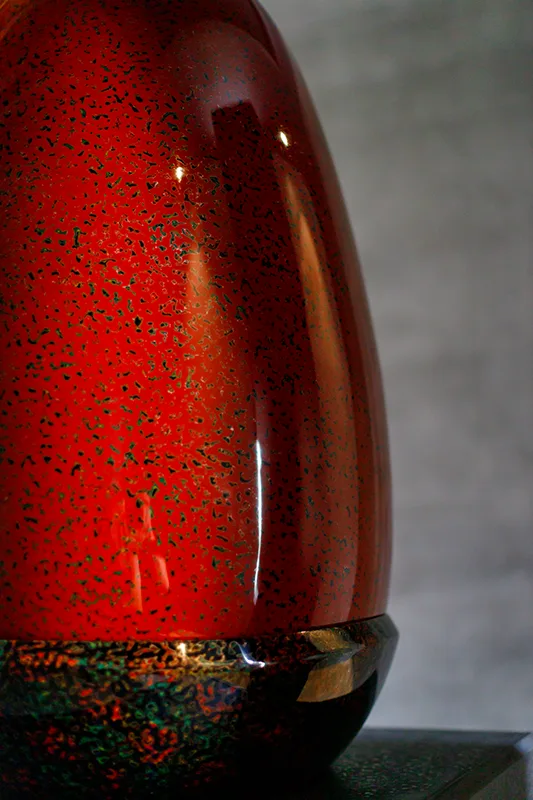
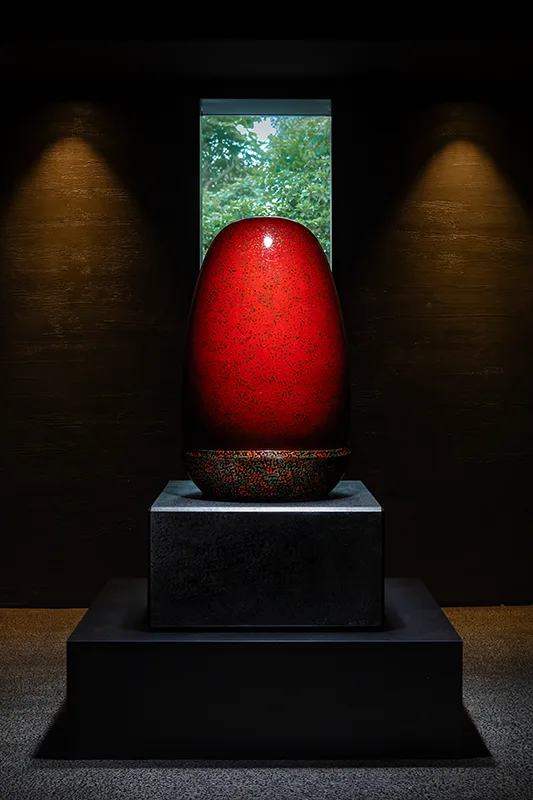
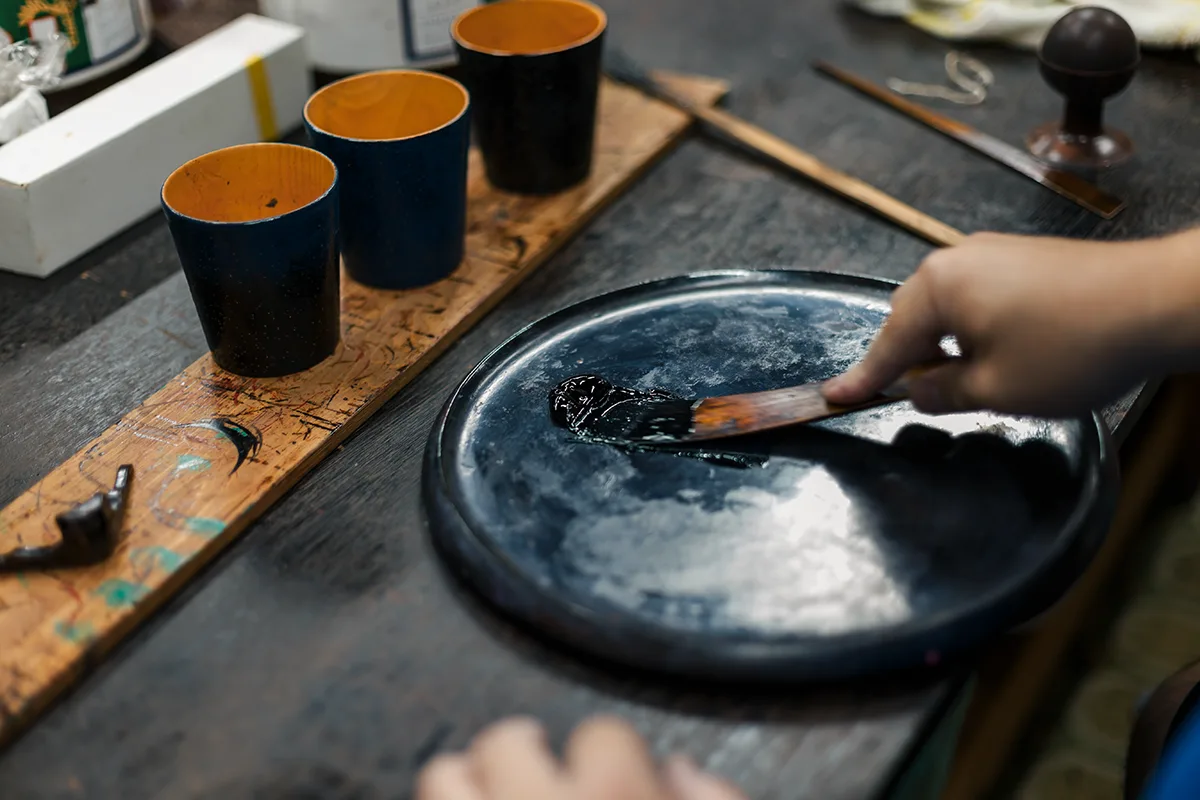
The world's “oldest sound emitting organic technology created using ancient alien techniques handed down to the people of Aomori commissioned by a high priest on behalf of the children of the diaspora”, as confirmed by the author. The egg-shaped sculpture, adorned with Tsugaru lacquer techniques, Kara-nuri and Monsha-nuri, houses the sound emitting device's antenna, and a specially designed modular synthesiser is controlled by the movements of the viewer's hands, producing unique electronic sounds. Traditionally not associated with sculptural forms, the synthesiser, with its Tsugaru lacquer body, transforms into a completely new experiential device.
The world's “oldest sound emitting organic technology created using ancient alien techniques handed down to the people of Aomori commissioned by a high priest on behalf of the children of the diaspora”, as confirmed by the author. The egg-shaped sculpture, adorned with Tsugaru lacquer techniques, Kara-nuri and Monsha-nuri, houses the sound emitting device's antenna, and a specially designed modular synthesiser is controlled by the movements of the viewer's hands, producing unique electronic sounds. Traditionally not associated with sculptural forms, the synthesiser, with its Tsugaru lacquer body, transforms into a completely new experiential device.
02
Metropolis. I
Sendai Tansu x Studio SWINE
(Tohoku)
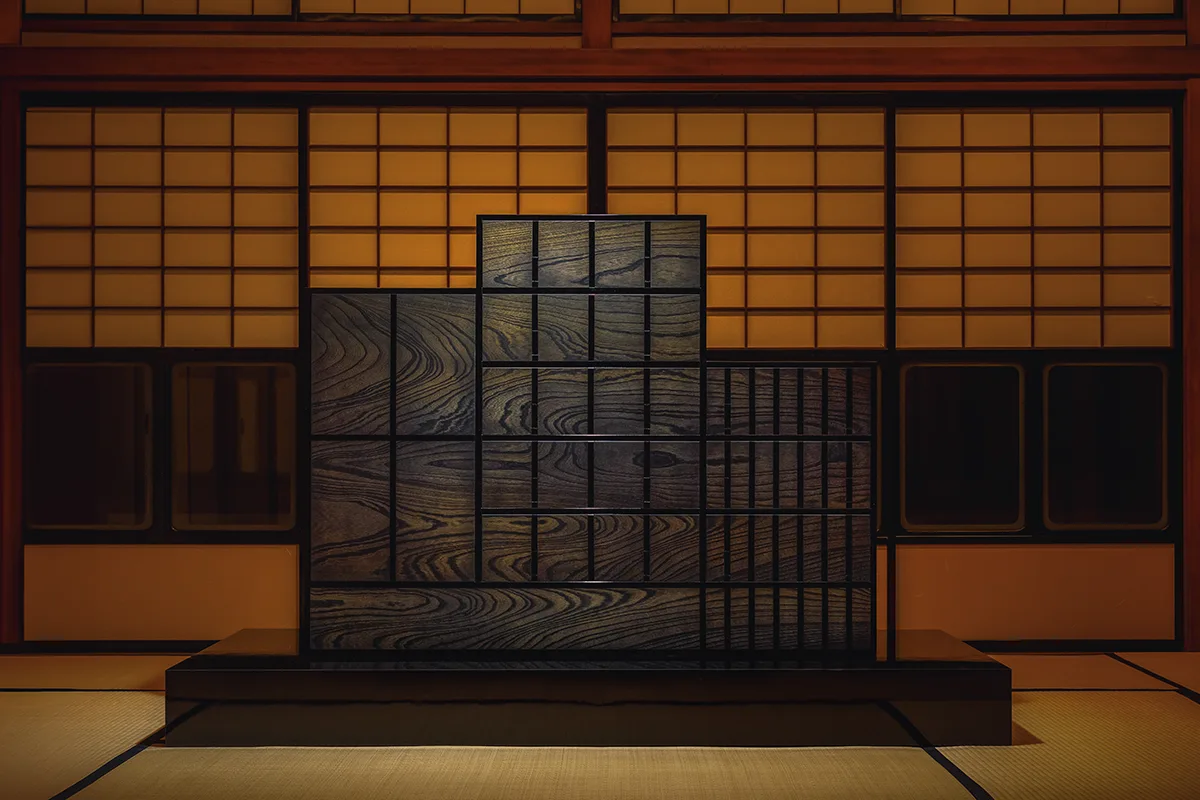
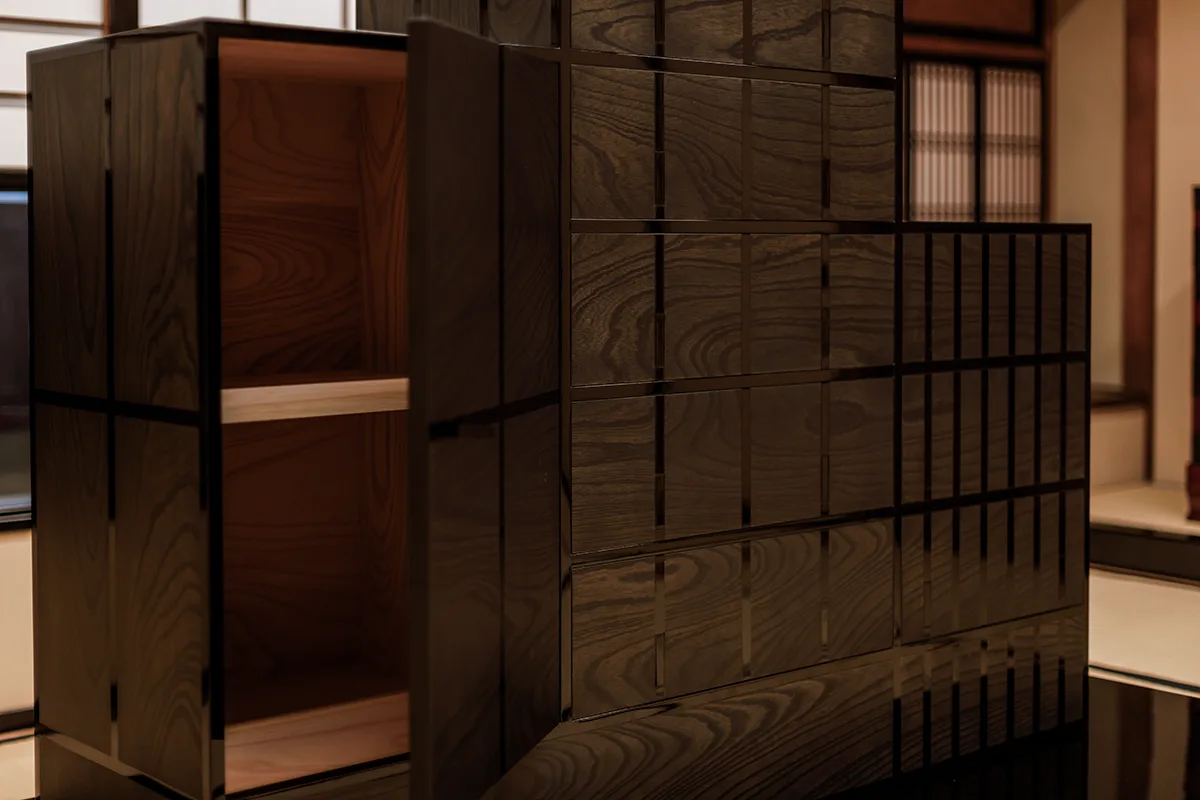
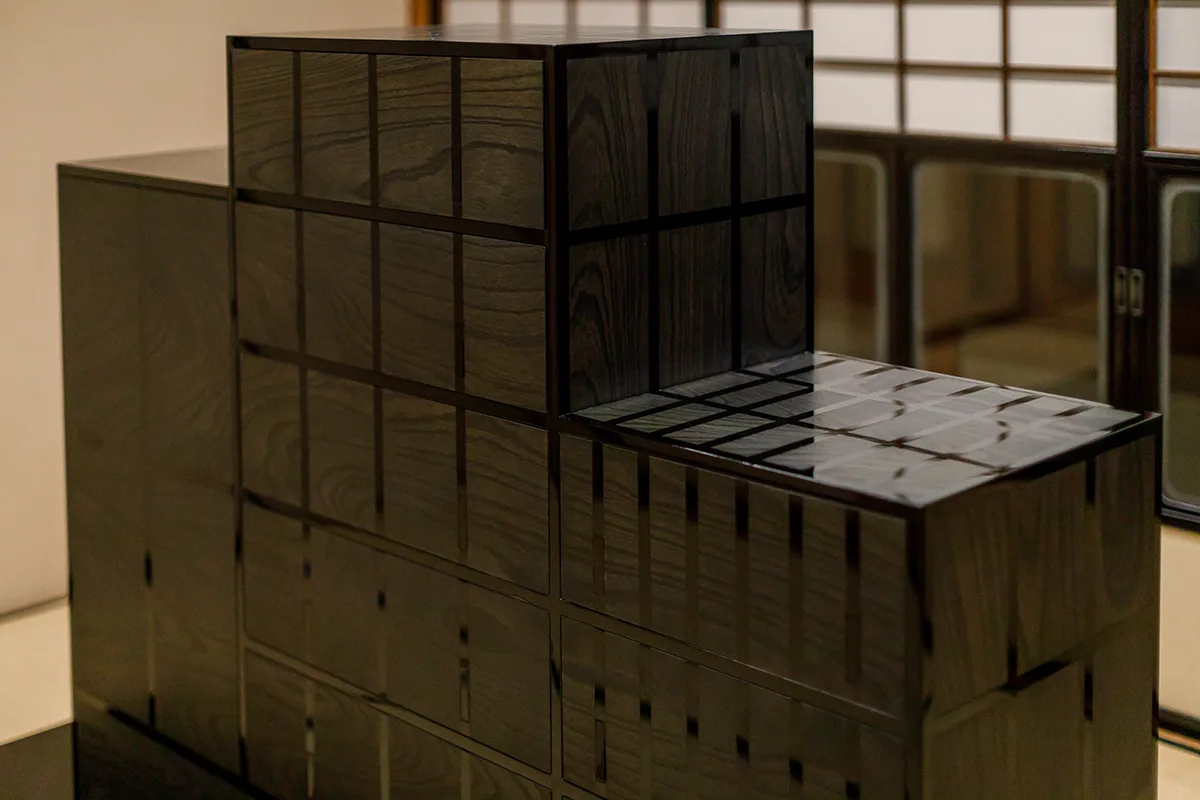
The traditional and stately Sendai Tansu, originally crafted as a samurai or merchant chest, has acquired a completely new interpretation. It combines a graphical, flat pattern inspired by Ukiyo-e prints. Inspired by the dynamic graphic geometry and flatness of Japanese woodblock prints and 1960's Metabolism, this new Tansu design playfully combines the traditional crafts and the radical architectural movements of Japan in a systematic 'functional decoration’.
The traditional and stately Sendai Tansu, originally crafted as a samurai or merchant chest, has acquired a completely new interpretation. It combines a graphical, flat pattern inspired by Ukiyo-e prints. Inspired by the dynamic graphic geometry and flatness of Japanese woodblock prints and 1960's Metabolism, this new Tansu design playfully combines the traditional crafts and the radical architectural movements of Japan in a systematic 'functional decoration’.
01
Yōkan
Kawatsura Shikki x Sabine Marcelis
(Tohoku)
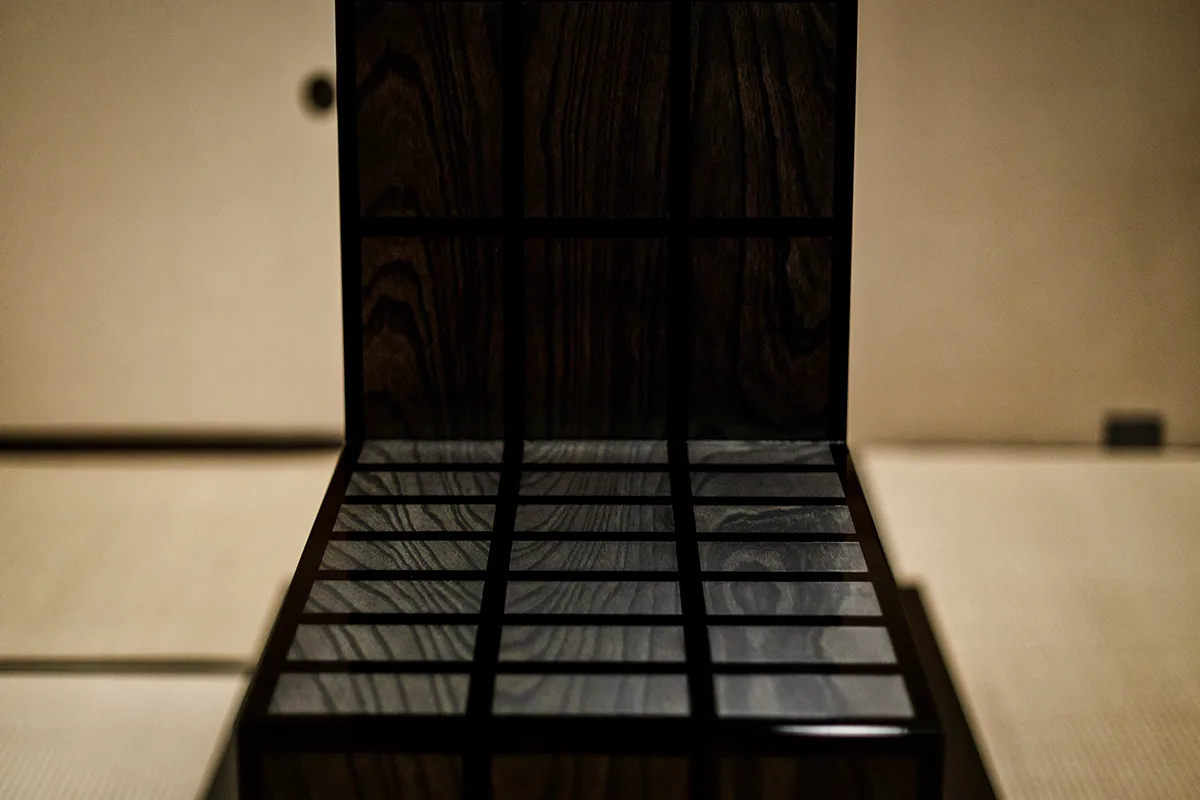
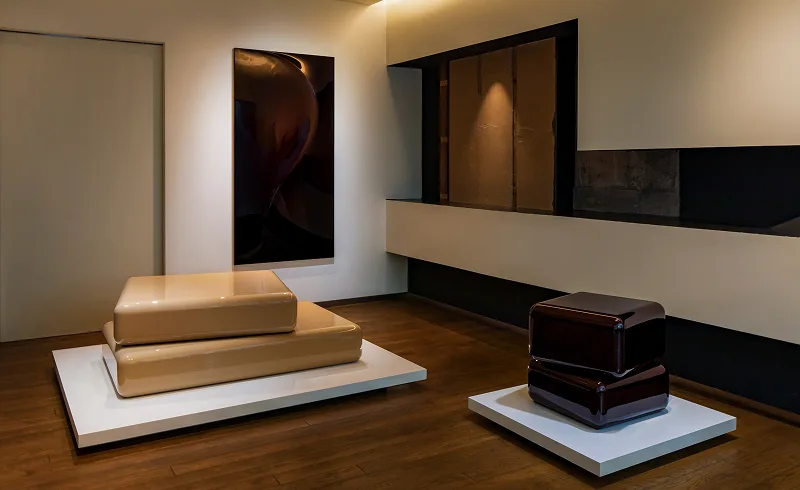
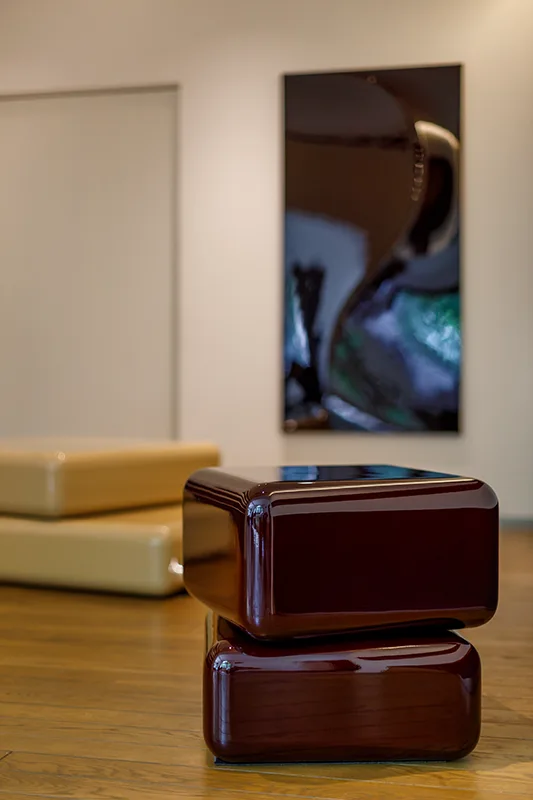
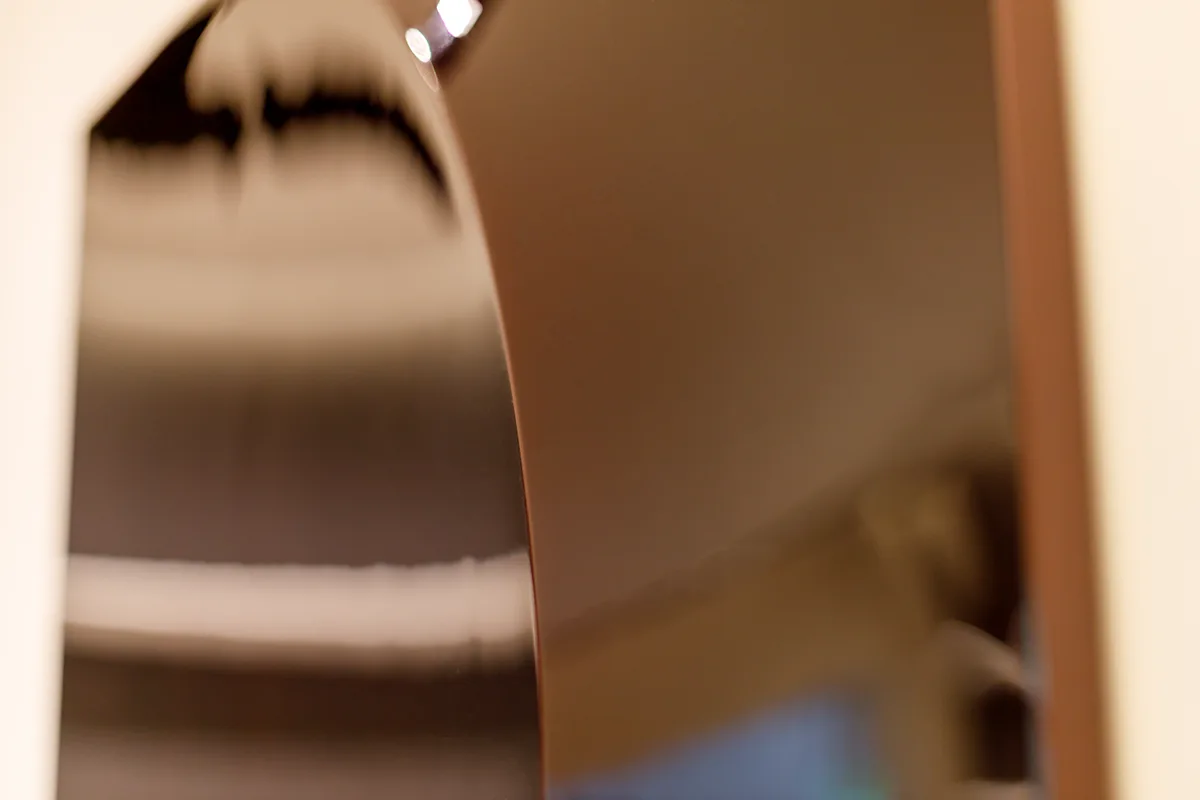
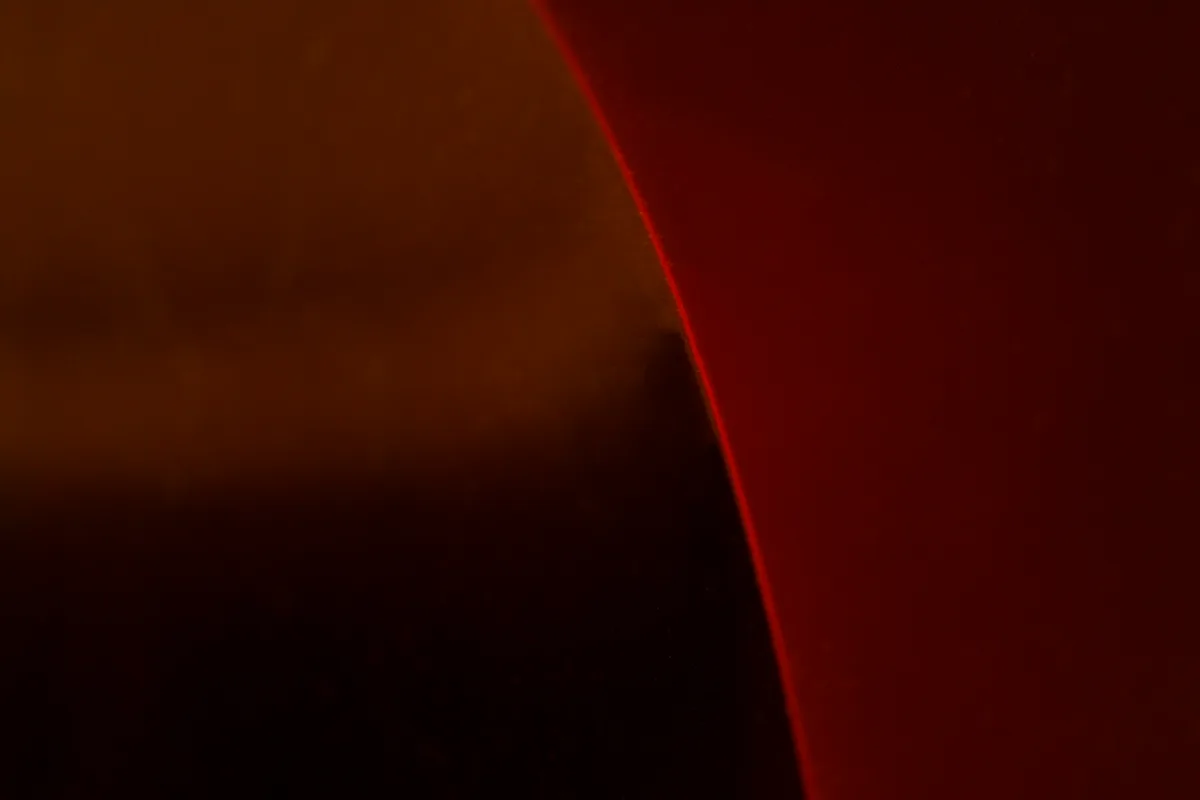
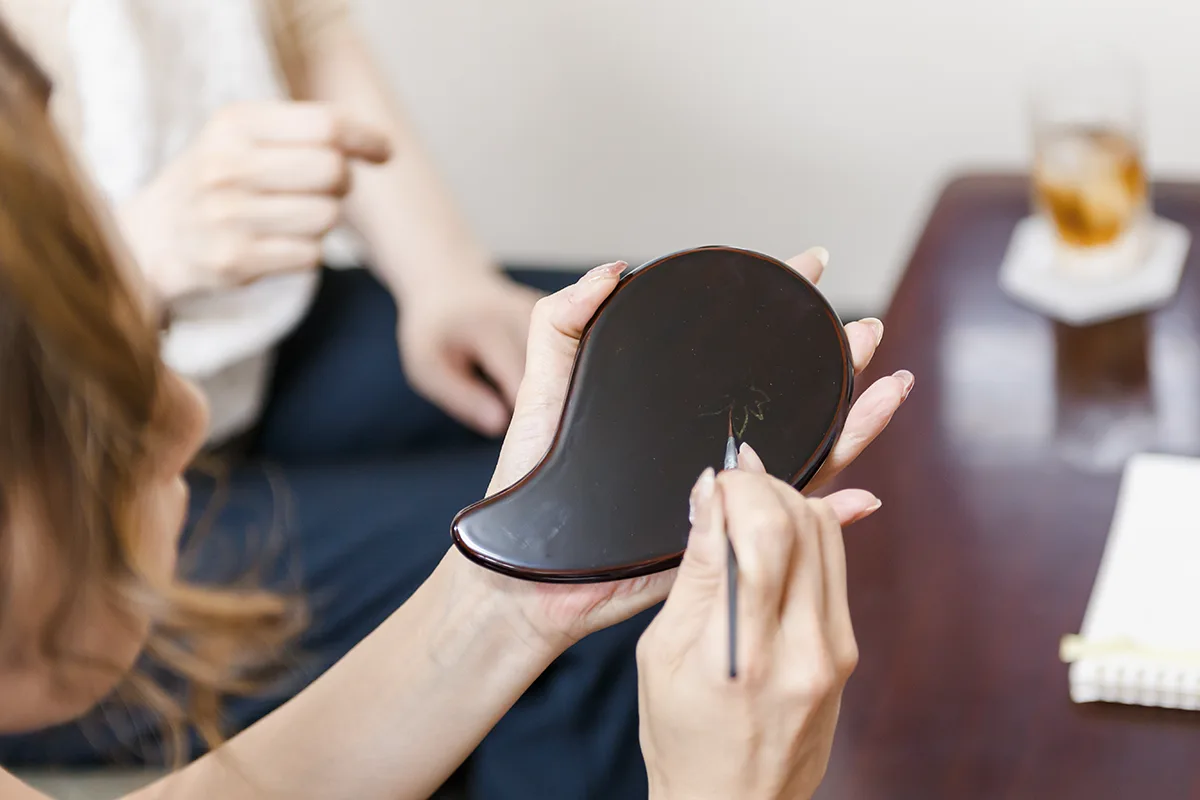
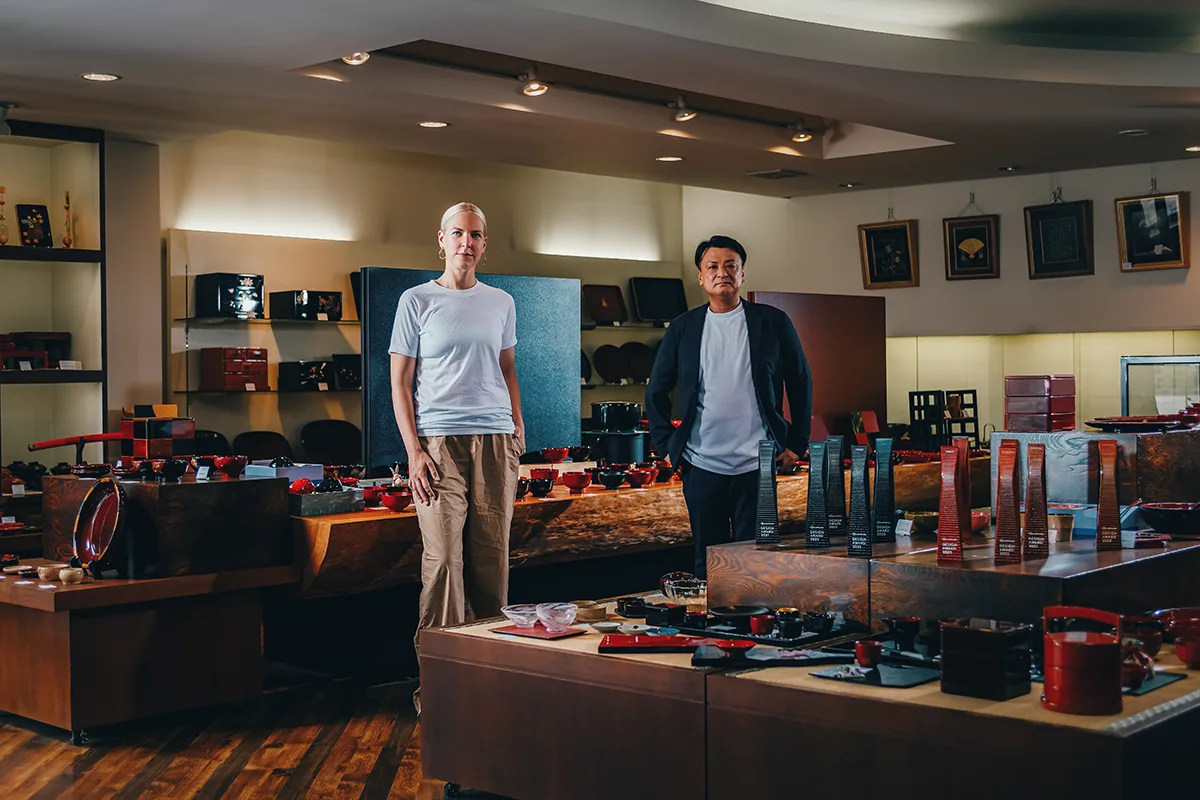
A series of two tables with a voluminous design and a wall-mounted piece, all lacquered in Kawatsura Shikki's style. Inspired by the interplay of light and materiality, the three distinct objects were crafted, each intersected with a singular gesture that manipulates the light captured on its surface, inviting viewers to explore from every angle. Stripped down to the essentials and punctuated with a single twist or inverted slice, attention is solely drawn to the lacquerware itself.
A series of two tables with a voluminous design and a wall-mounted piece, all lacquered in Kawatsura Shikki's style. Inspired by the interplay of light and materiality, the three distinct objects were crafted, each intersected with a singular gesture that manipulates the light captured on its surface, inviting viewers to explore from every angle. Stripped down to the essentials and punctuated with a single twist or inverted slice, attention is solely drawn to the lacquerware itself.