Kasane
Owari ShippoPhilippe Malouin
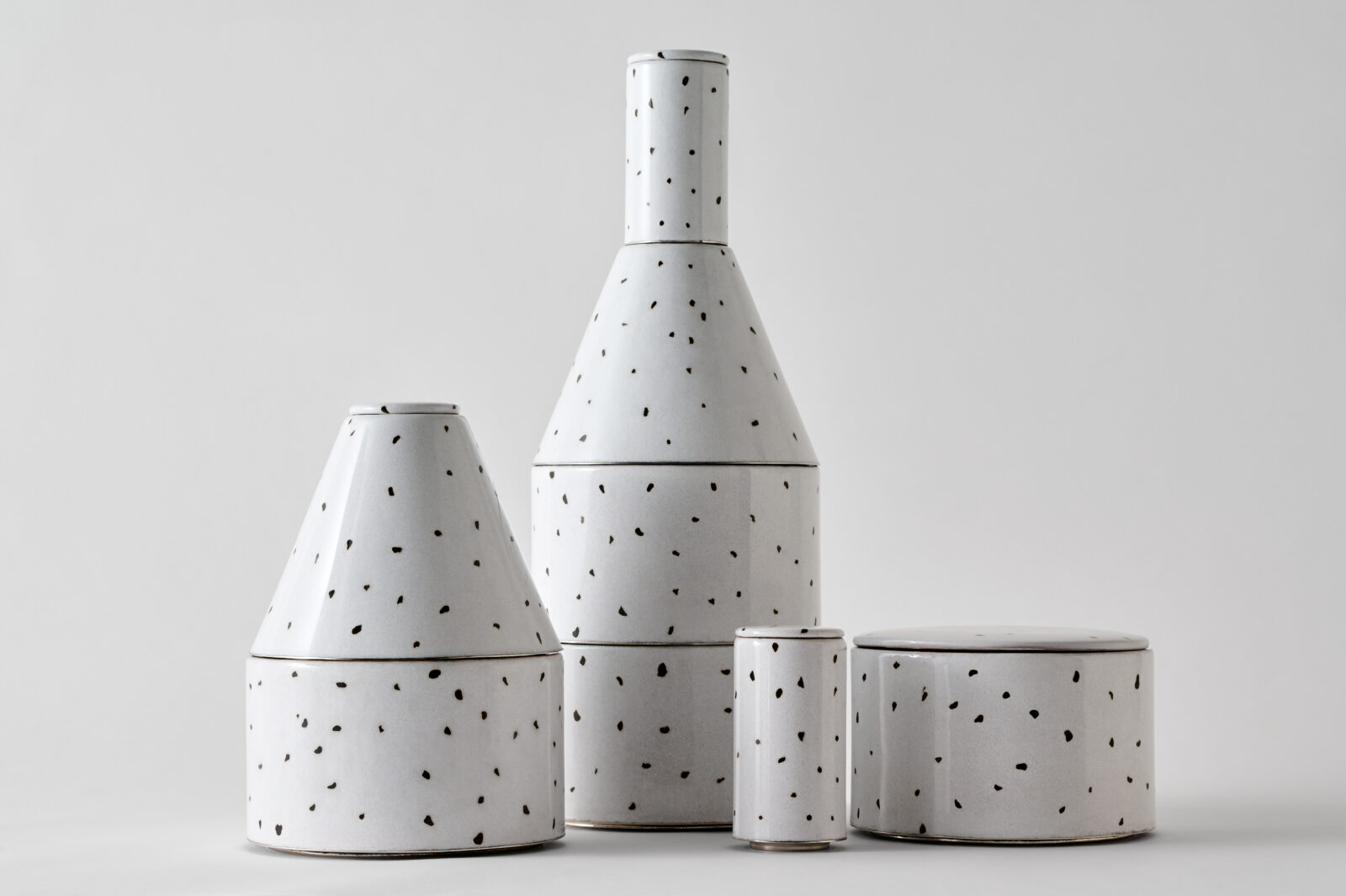
Limited Edition of 6 + 2 AP
2026
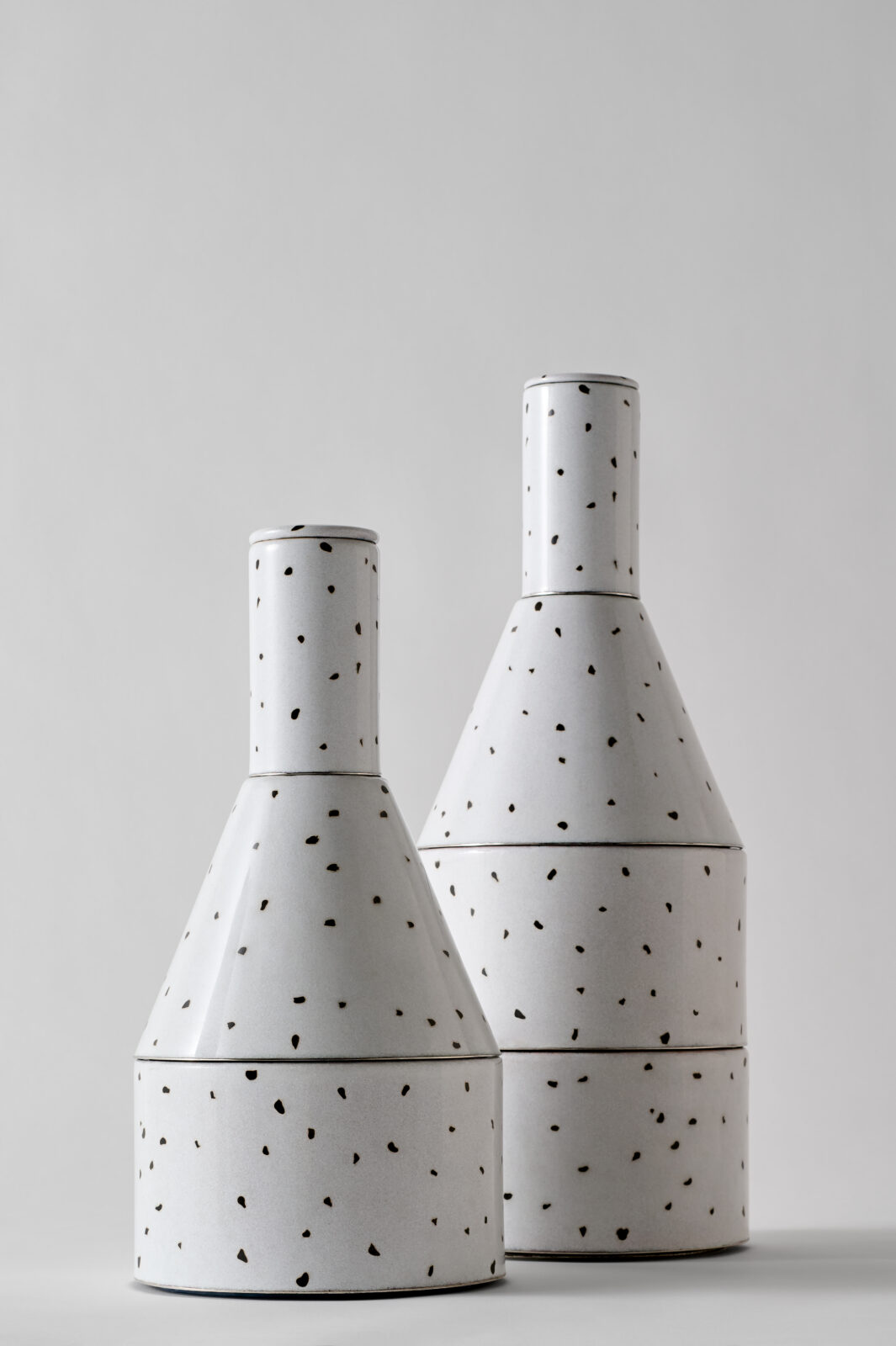
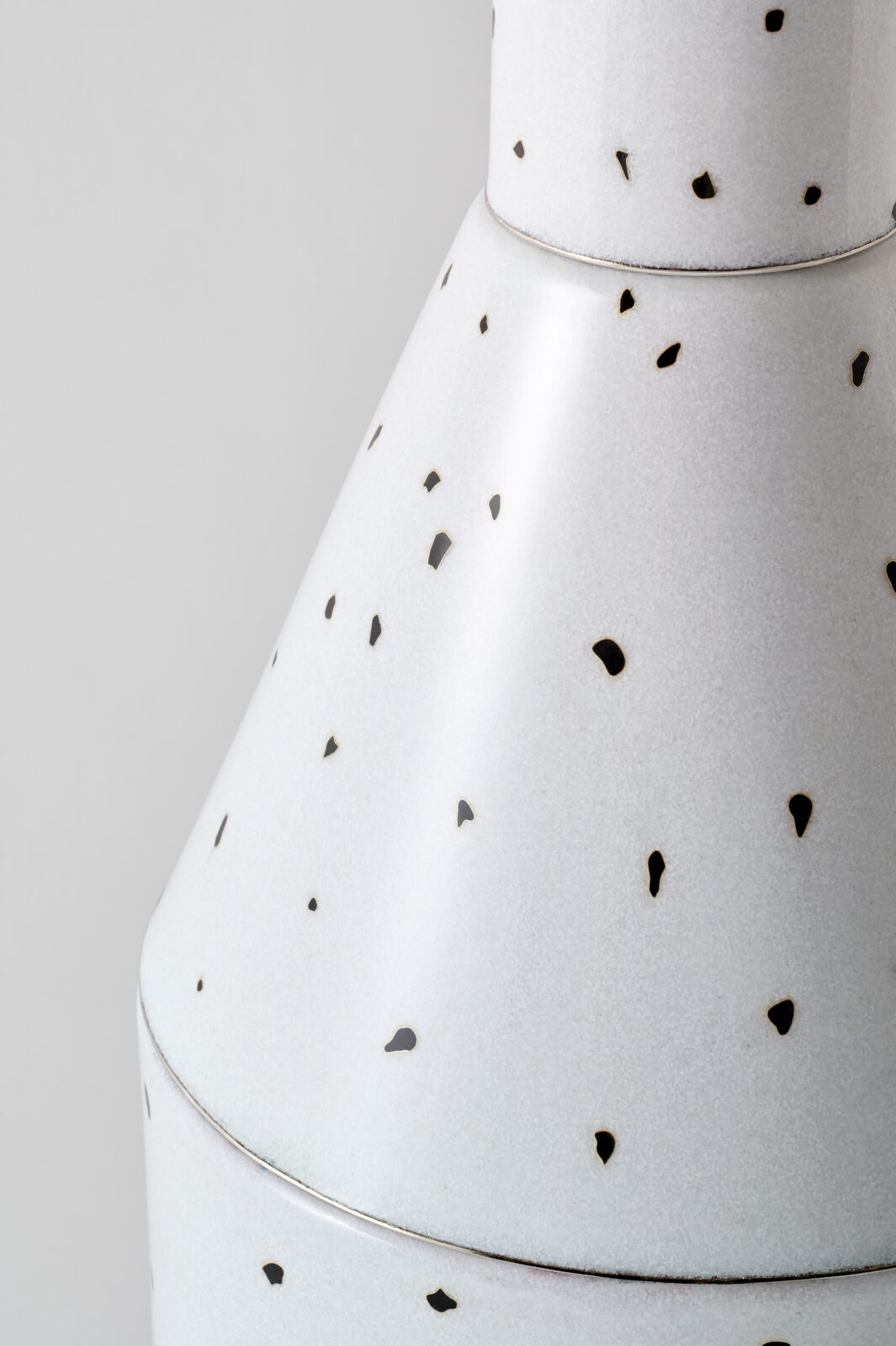
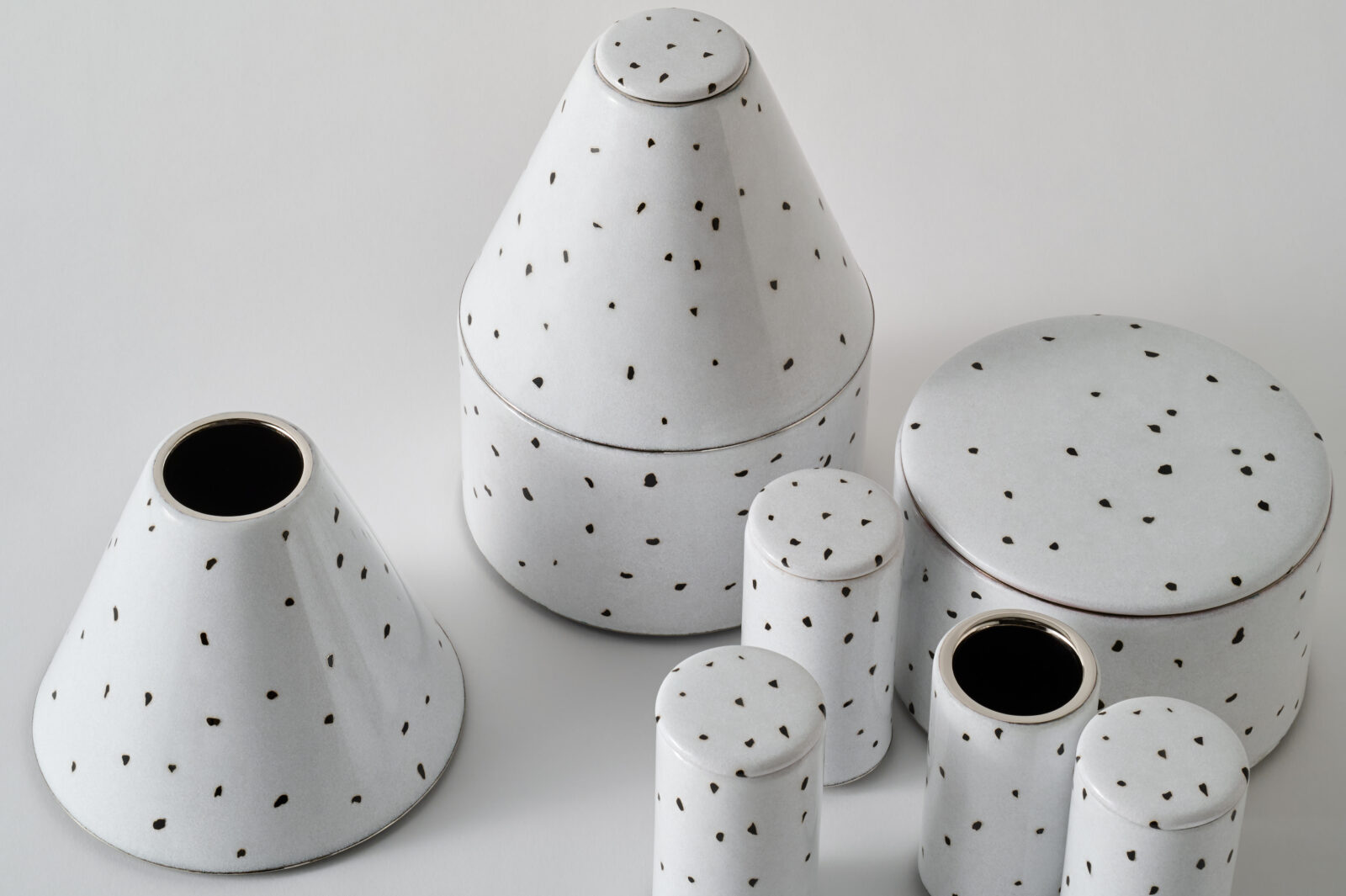
Cloisonné enamel, copper
Stacking box (Full set)W350 × D350 × H535 mm
Enquiries: info@craft-x-tech.com
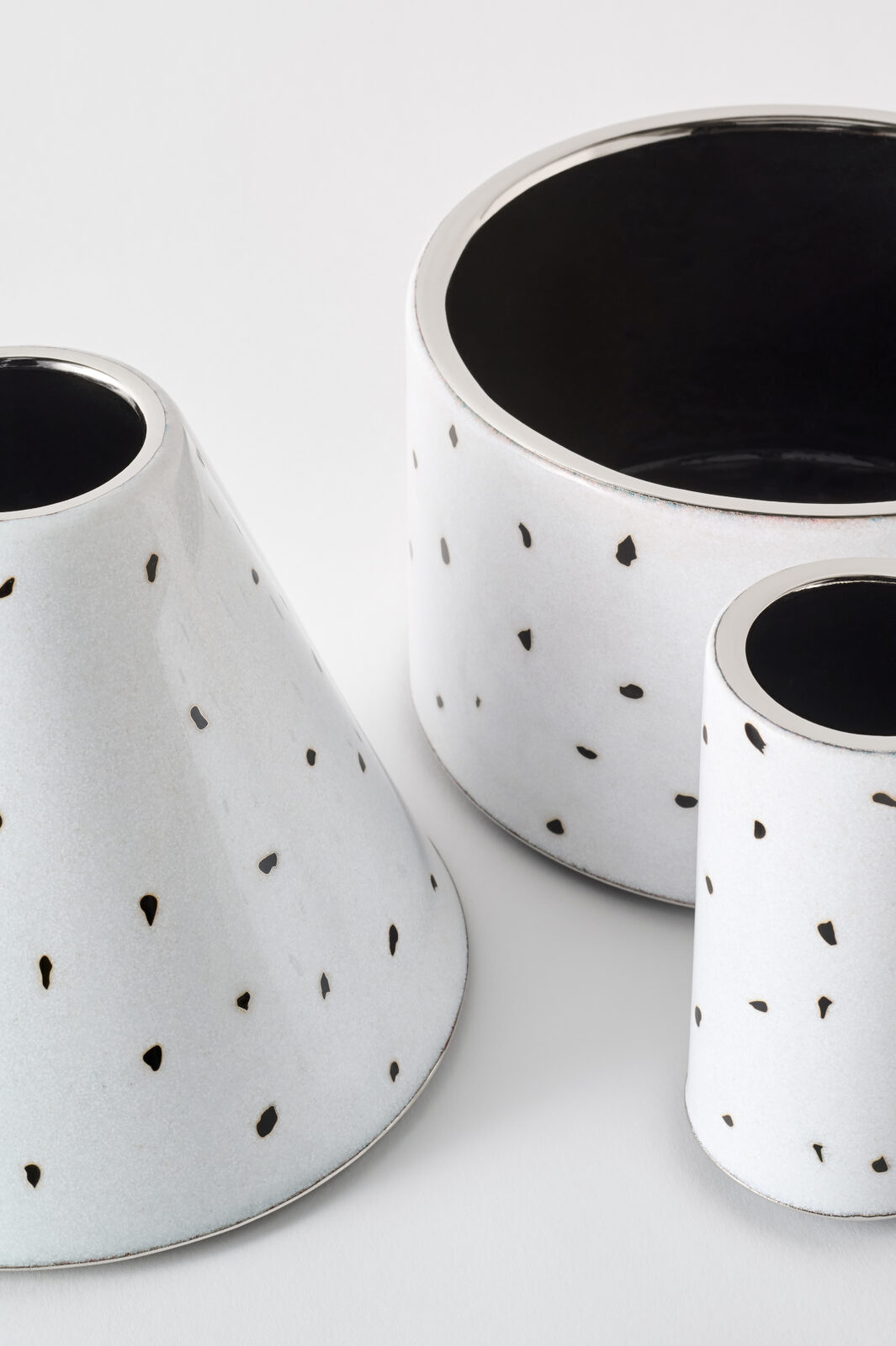
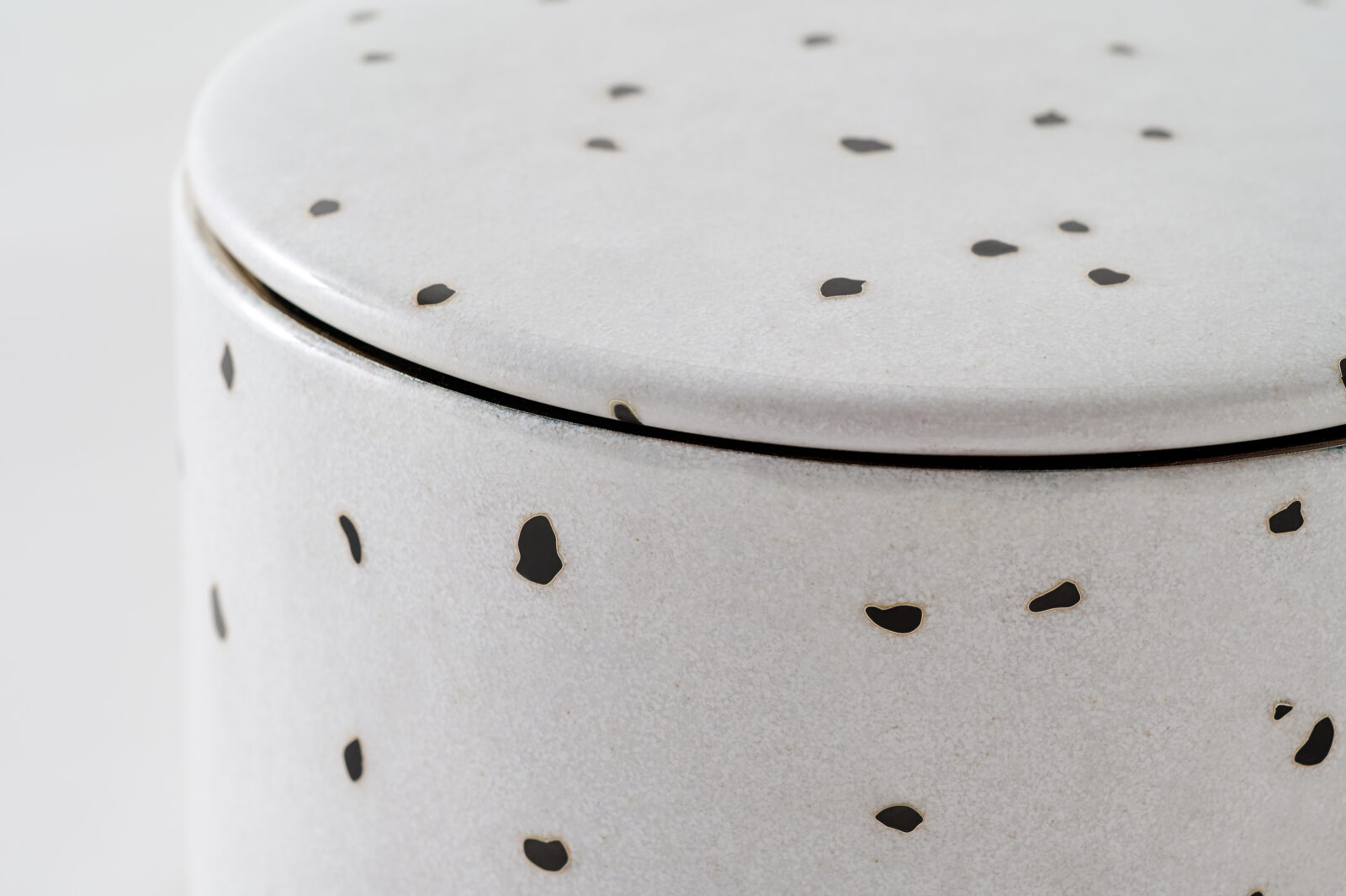
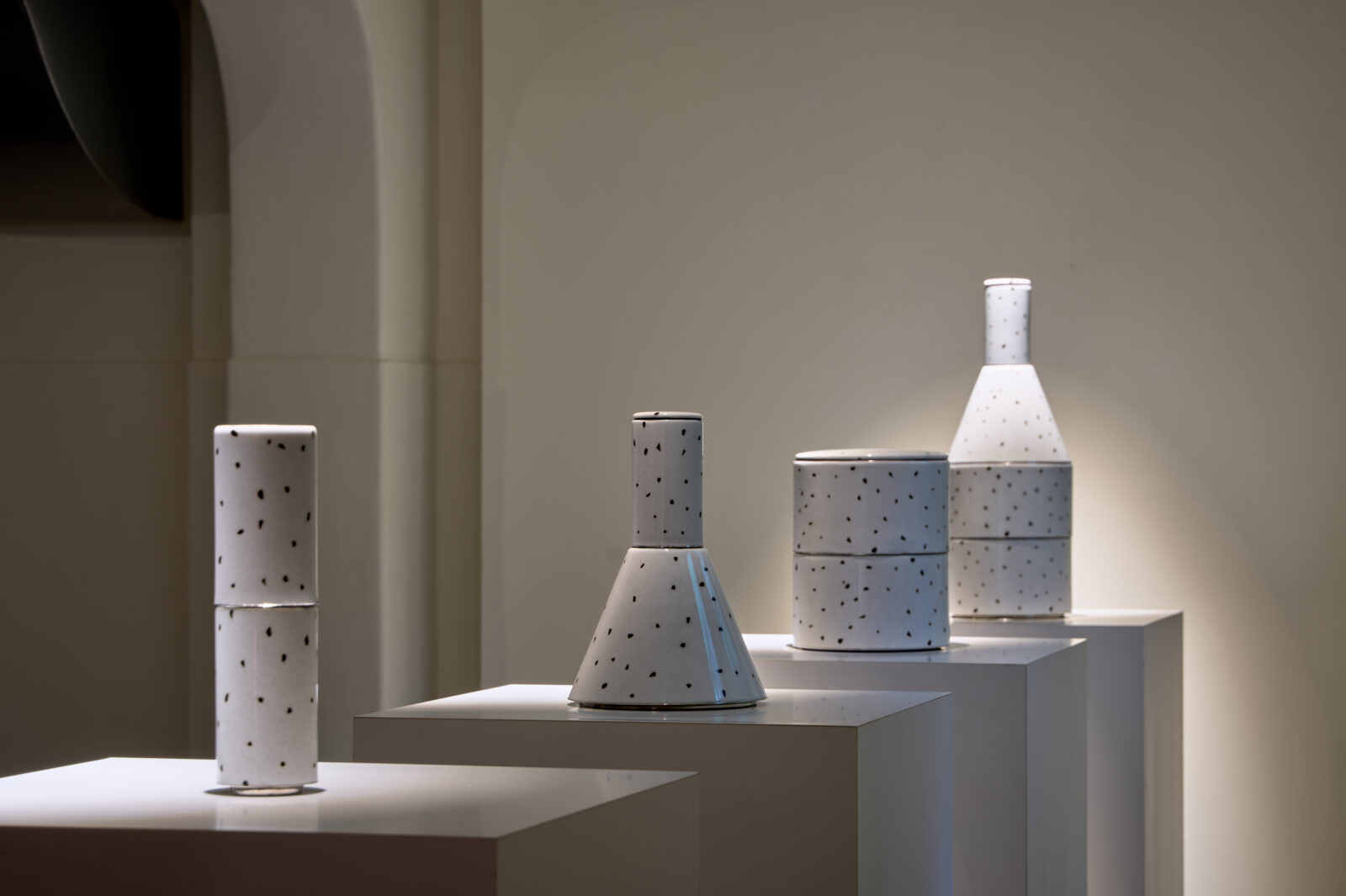
Owari Shippo, Aichi Prefecture
Owari Shippo, a type of enamelware from the Ama and Nagoya regions of Aichi Prefecture, is celebrated for its vibrant, colorful designs inspired by traditional Japanese themes of natural beauty. The term 'Shippo' originates from a Buddhist phrase meaning 'as beautiful as if scattered with seven treasures.' This craft involves applying vivid enamel to a metal base, such as copper or silver. It is believed to have originated in the late Edo period (1603–1868), when Tsunekichi Kaji of Owari developed the technique after observing imported cloisonné ware from the Netherlands.
Designer
Philippe Malouin
British-Canadian designer, he established his studio in 2008. A Design Academy Eindhoven graduate with additional studies at École Nationale Supérieure de Création Industrielle and the University of Montreal, he is known for diverse work including sofas, tables, and installations. His clients include Flos, Iittala, and SCP. Represented by Salon 94 Design in New York and The Breeder in Athens, he won Wallpaper* Magazine's 'Designer of the Year' and is President of the Jury at Design Parade.
Artisan
Shigeyuki Ando, Ando Cloisonne
Born in 1972 in Nagoya City as the eldest son of the Ando family, which has managed Ando Cloisonne Co., Ltd., a long-established company founded in 1880. He is currently the fifth-generation president and also serves as the chairman of the Owari Shippo Cooperative Association, holding key roles in local traditional craft organizations. Amid the declining demand for Owari Shippo and the looming threat of losing its production techniques, he prioritizes in-house manufacturing and the training of next-generation artisans. Additionally, he actively engages in product development and planning to meet modern and contemporary needs.
Limited Edition of 6 + 2 AP
2026
Cloisonné enamel, copper
Stacking box (Full set)W350 × D350 × H535 mm
Enquiries: info@craft-x-tech.com