Work in Progress
Mino YakiDavid Caon
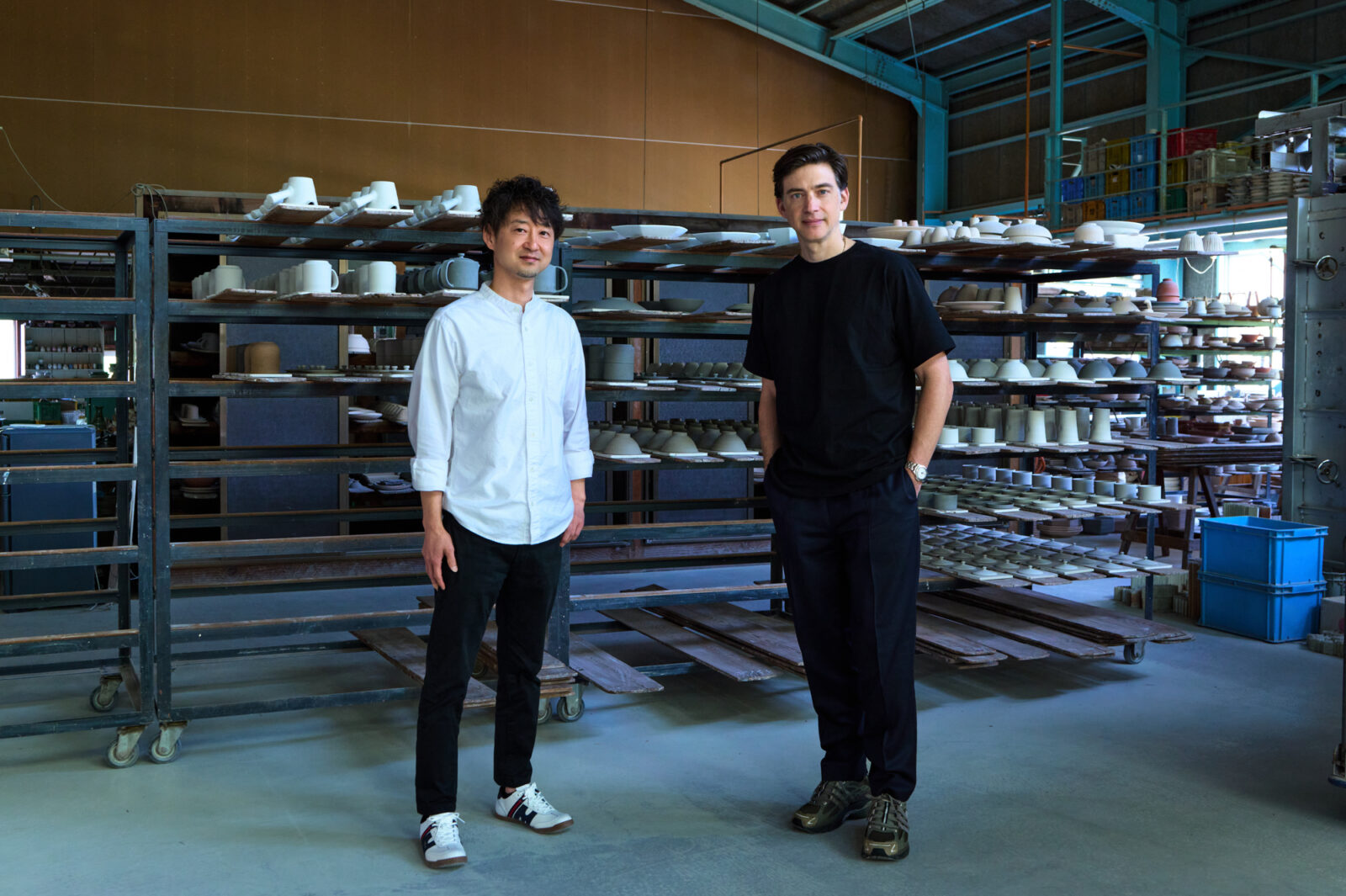
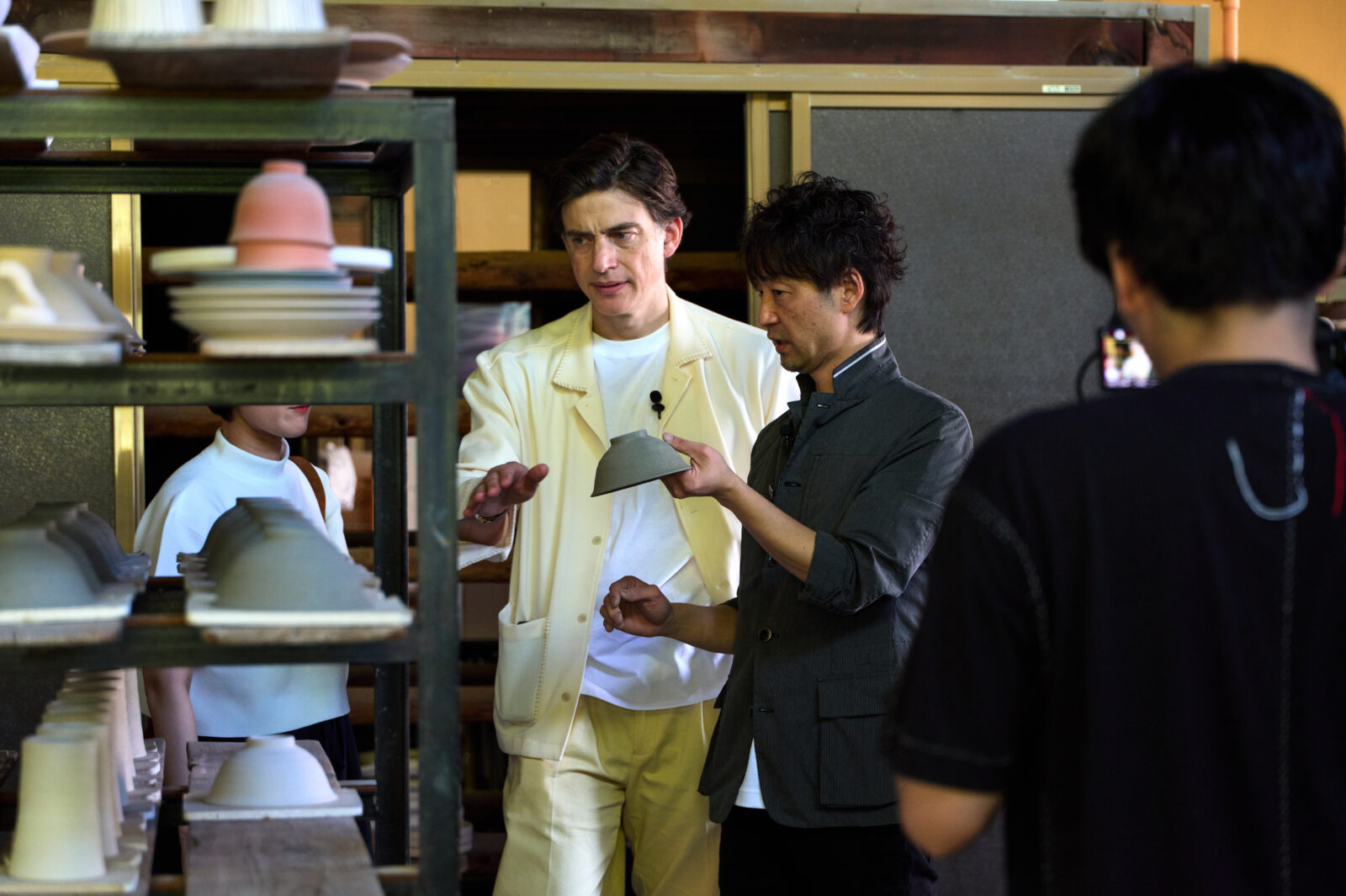
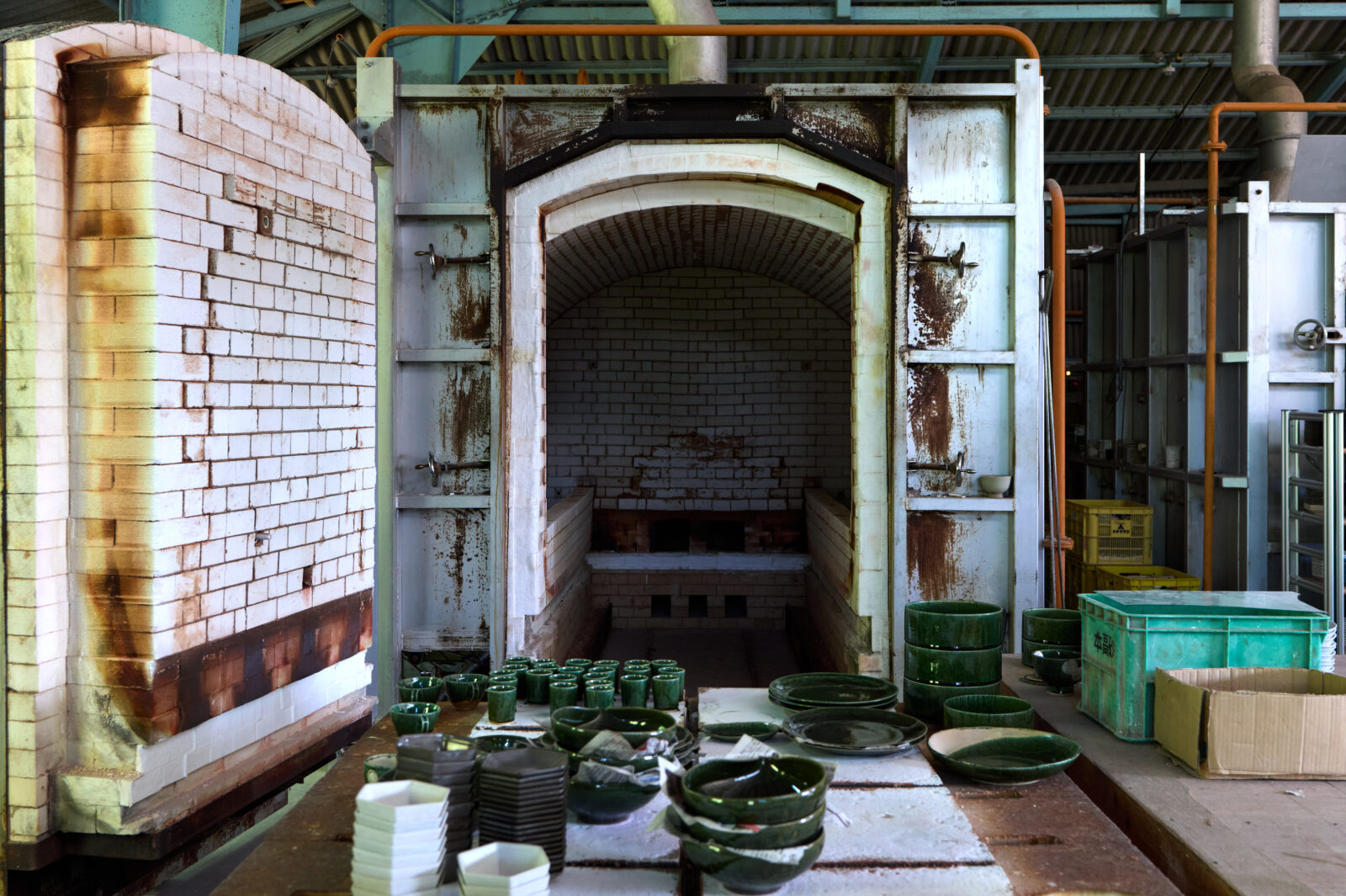
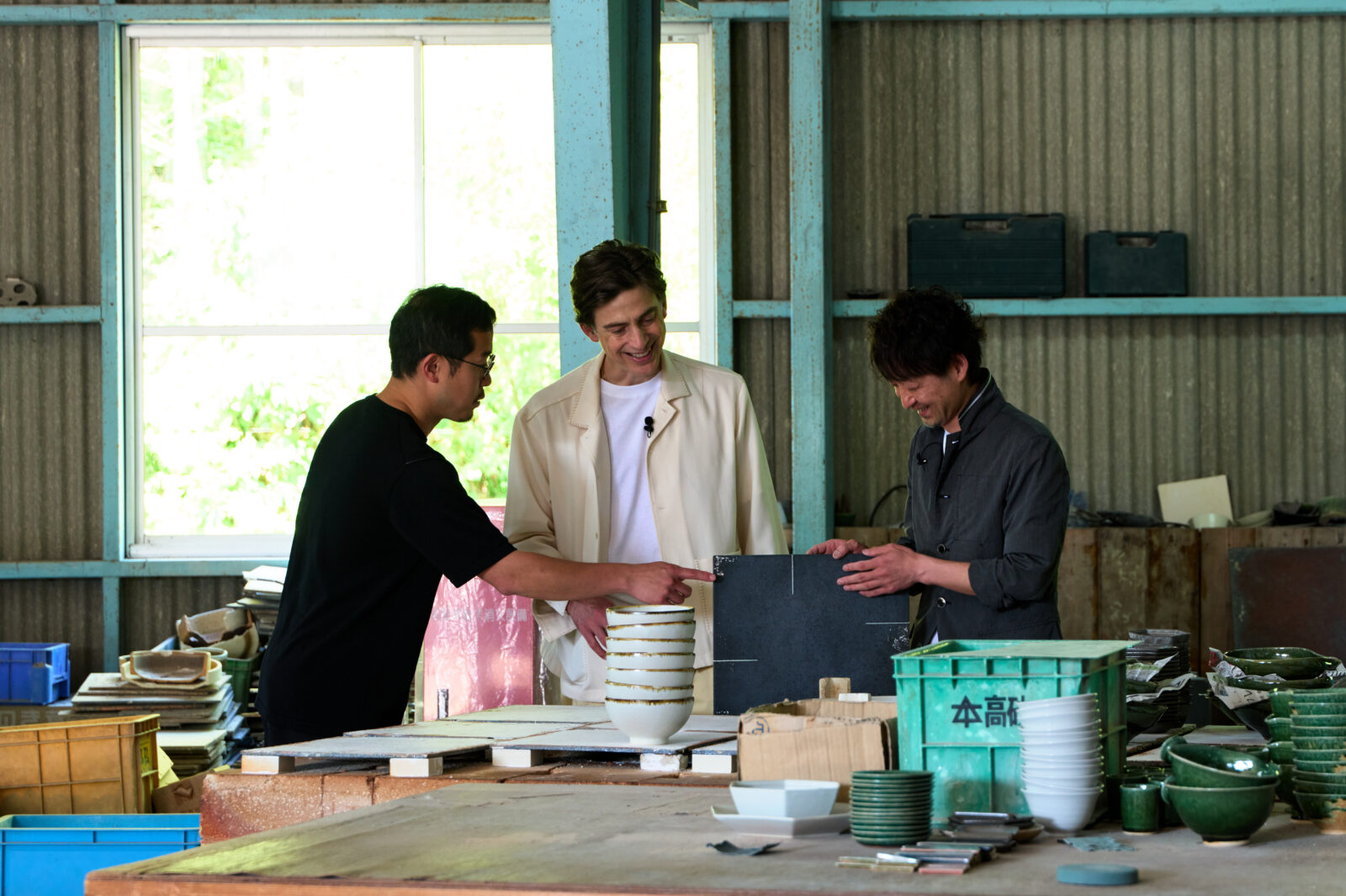
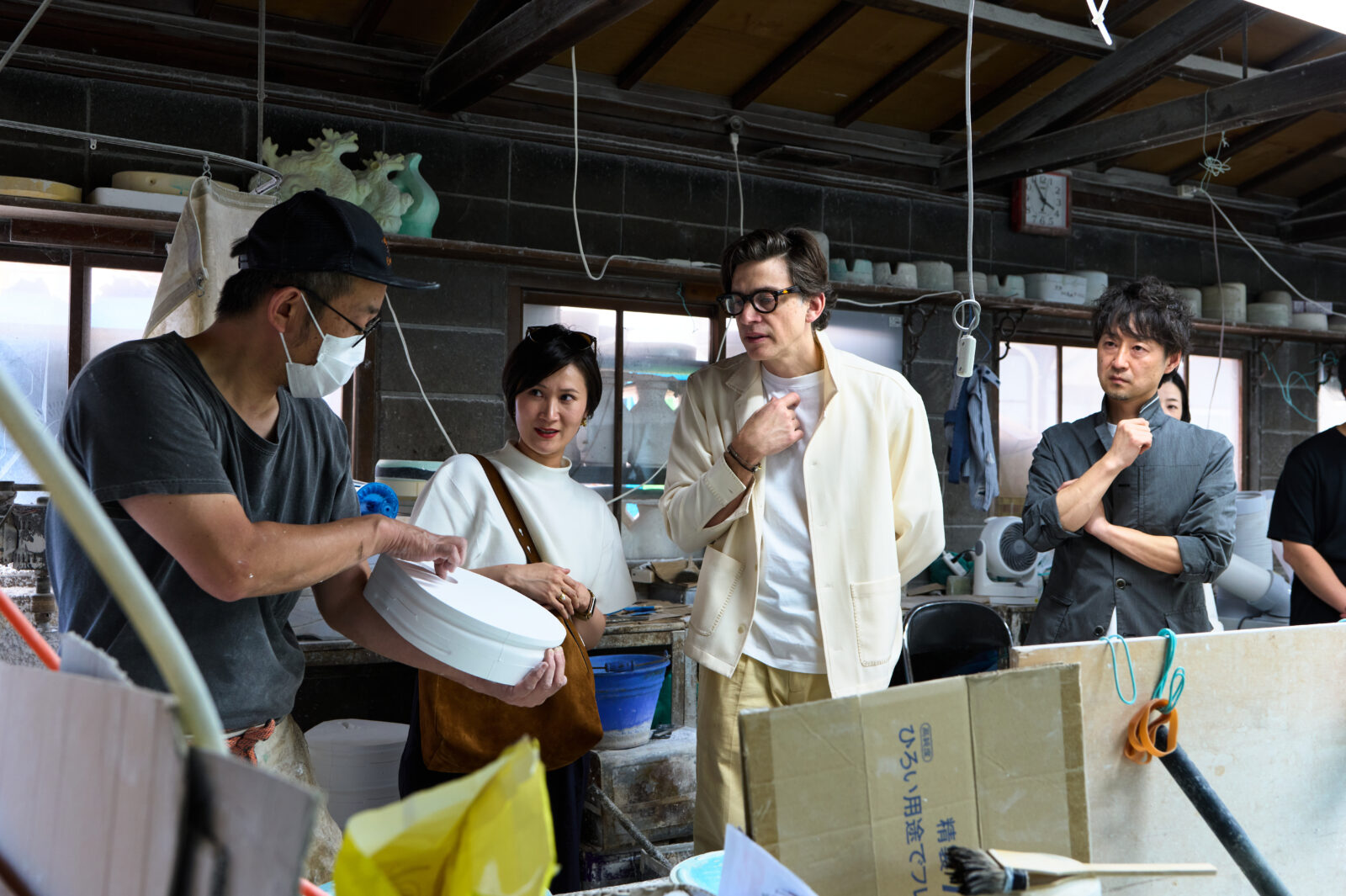
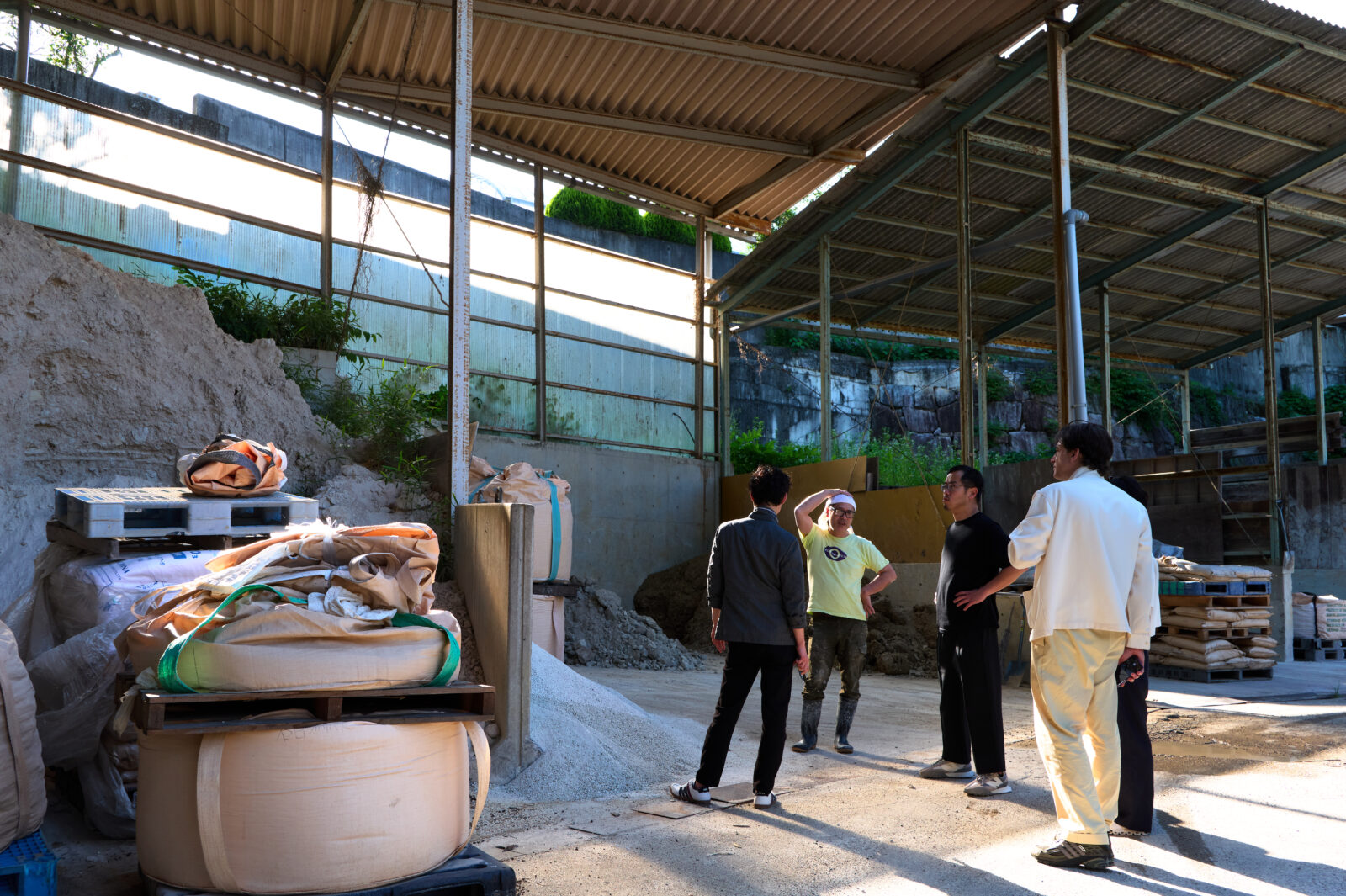
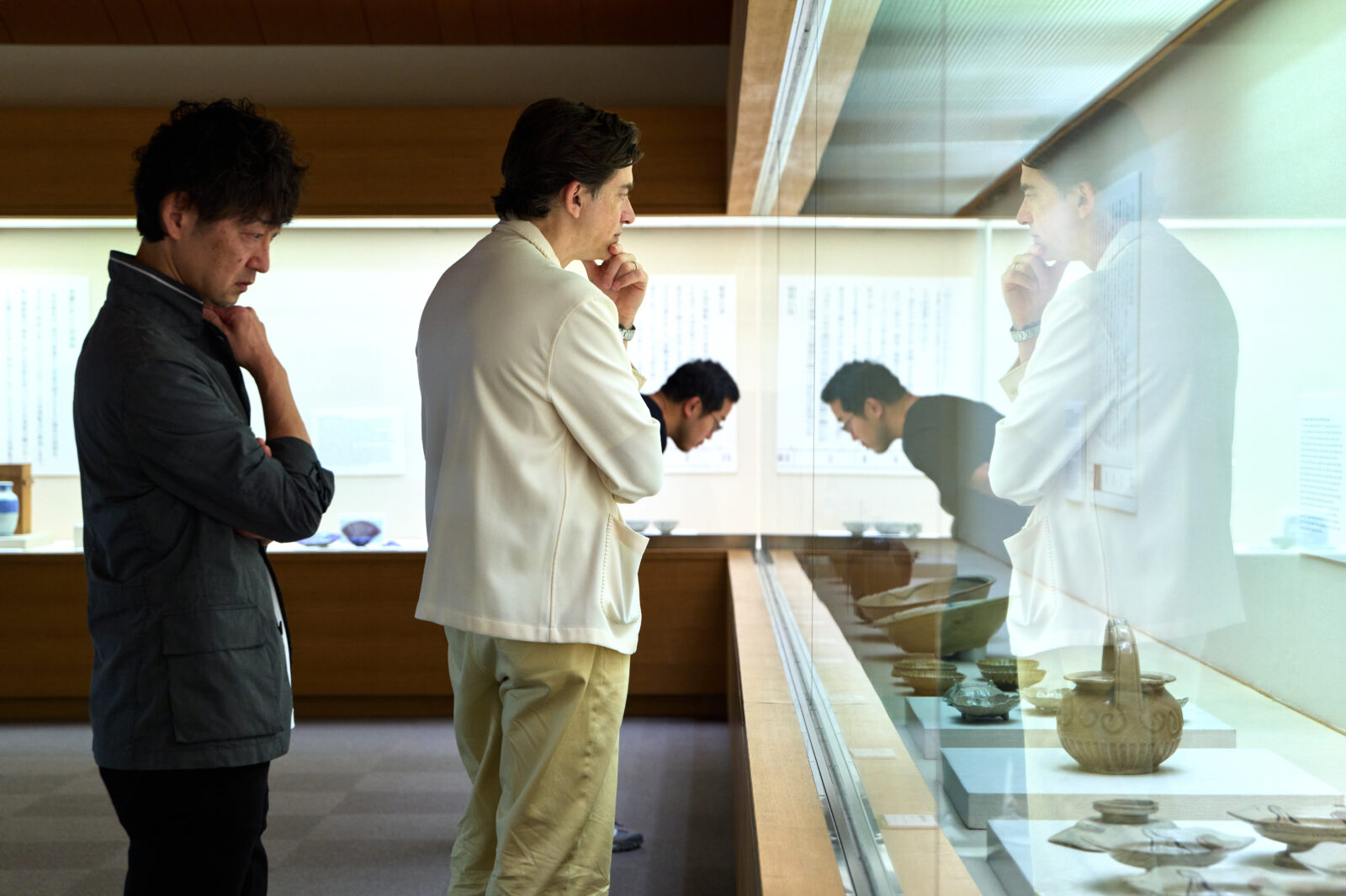
Mino Yaki, Gifu Prefecture
Mino Yaki, a type of ceramic ware, has been produced in the Tono area of Gifu Prefecture since the 5th century, when Sue ware, potter's wheels, and cellar kilns were introduced from the Korean Peninsula. The craft flourished during the Azuchi-Momoyama period (1573–1600) with the rise of the tea ceremony, inspiring a wide range of artistic pottery. Today, Mino Yaki remains one of Japan's most important ceramic production centers, accounting for over 50% of the nation’s output. It is notable for its diversity, with 15 distinct styles designated as traditional crafts.
Designer
David Caon
Industrial designer, he founded his Sydney studio in 2009, specializing in product, furniture, interior, and aircraft design. A University of South Australia graduate, he honed his skills in Milan with George Sowden and Jerszy Seymour, and in Paris with Marc Newson. He designed the award-winning Boeing 787-9 interiors and most recently Airbus Project Sunrise for QANTAS. His practice combines innovative ideas with industrial logic, creating designs that enhance environments and connect people with their surroundings.
Artisan
Yohei Ito, Fudogama
The third-generation head of Fudogama kiln. After graduating from Keio University, he went on to study at the Aichi Prefectural Nagoya Technical High School of Ceramics. He joined the family business in 2006. Mino Yaki ceramic ware, a traditional craft designated by the Minister of Economy, Trade, and Industry, boasts a history of over 1,300 years. Embodying the spirit of “Hyouge Mono” — a sense of aesthetic rebellion and creative freedom — rooted in the cultural flourishing and artistic experimentation of the Momoyama period, Fudogama upholds and revitalizes the traditions of Mino Yaki while creating products that seamlessly fit into modern lifestyles.