Craft x Tech Returns To London For The Second Time
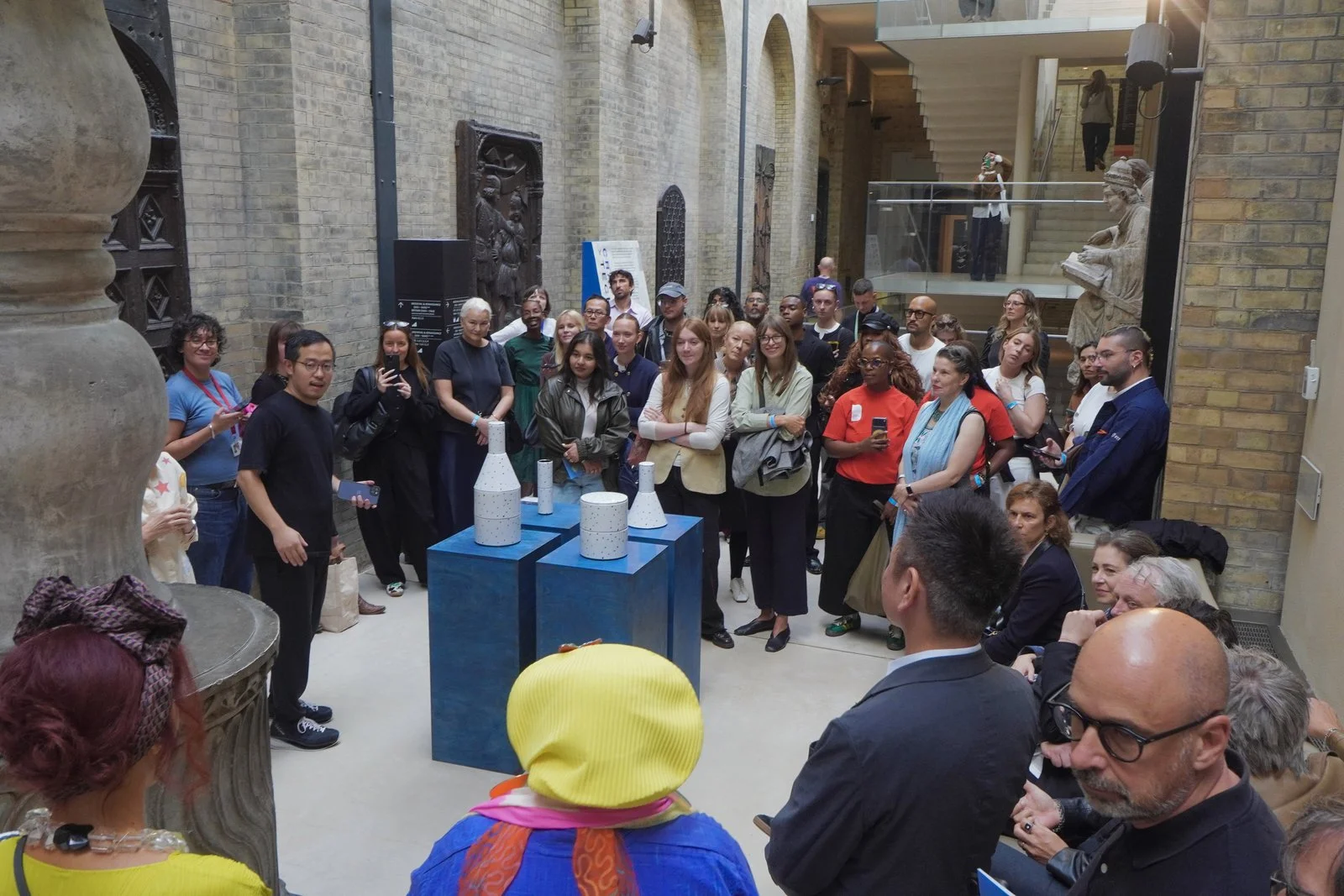
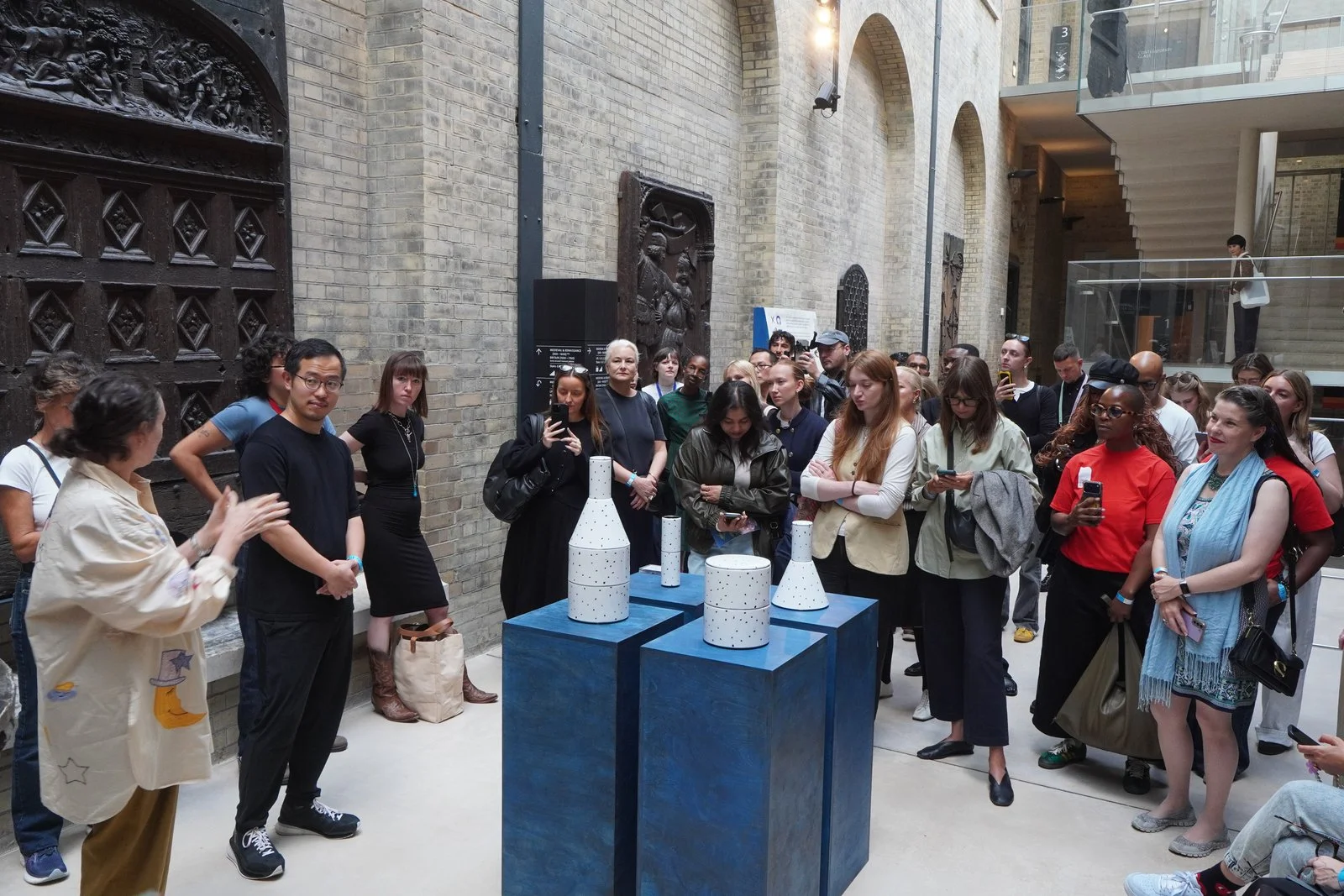
In September 2026, Craft x Tech took part in London Design Festival 2026, marking its second appearance in London, two years after presenting its inaugural Tohoku Project in 2024. This time, the project showcased works from the Craft x Tech Tokai Project, created through collaborations between craftspeople from Japan’s Tokai region and international creatives.
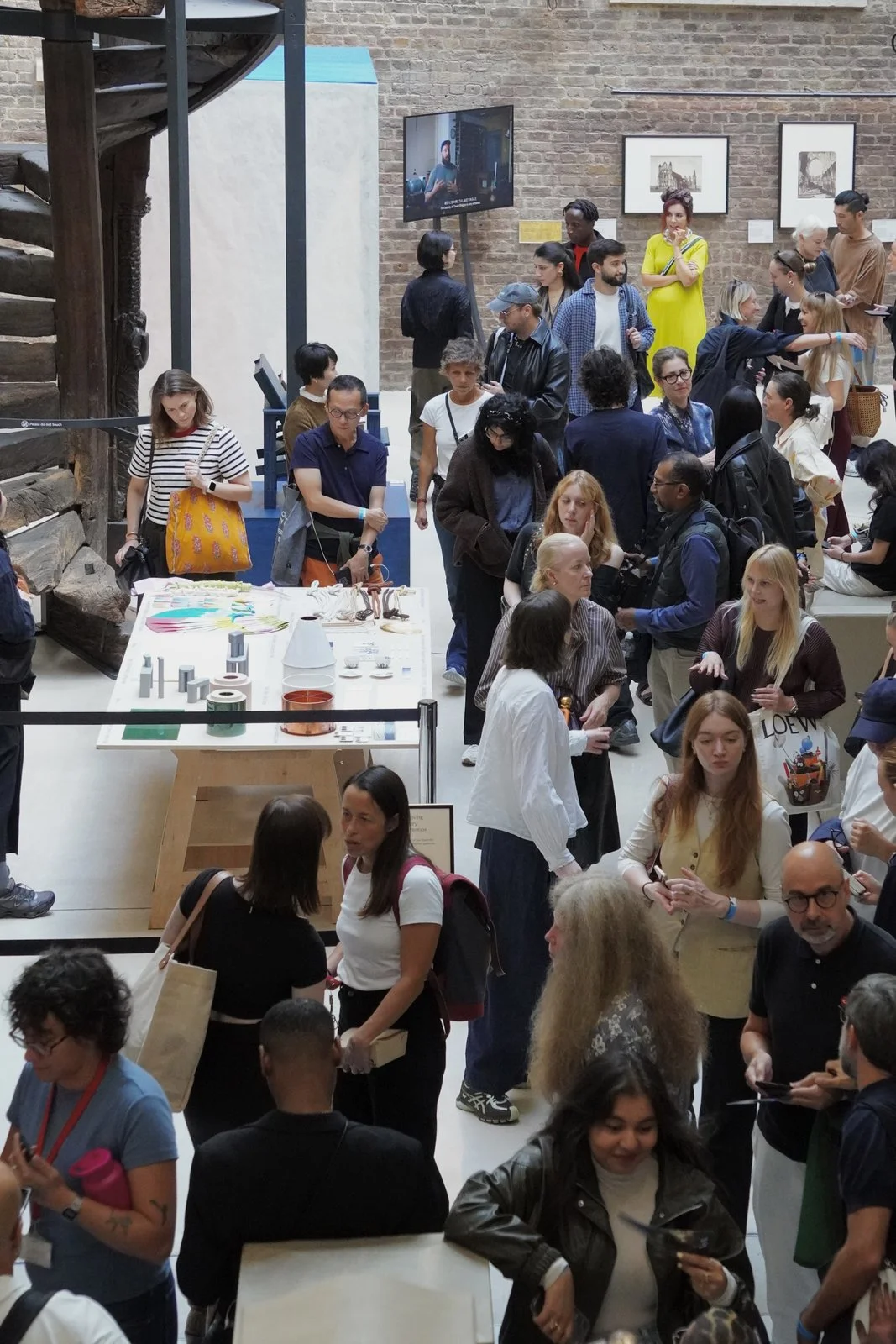
As with the previous presentation, the exhibition was held at the V&A Museum, one of the world’s leading museums of art, design, and decorative arts. The works were displayed in the naturally lit Medieval & Renaissance, Room 64b, The Simon Sainsbury Gallery, and remained on view until 30 September, extending beyond the official dates of the London Design Festival.
For more information about the exhibition: Victoria and Albert Museum / London Design Festival 2026
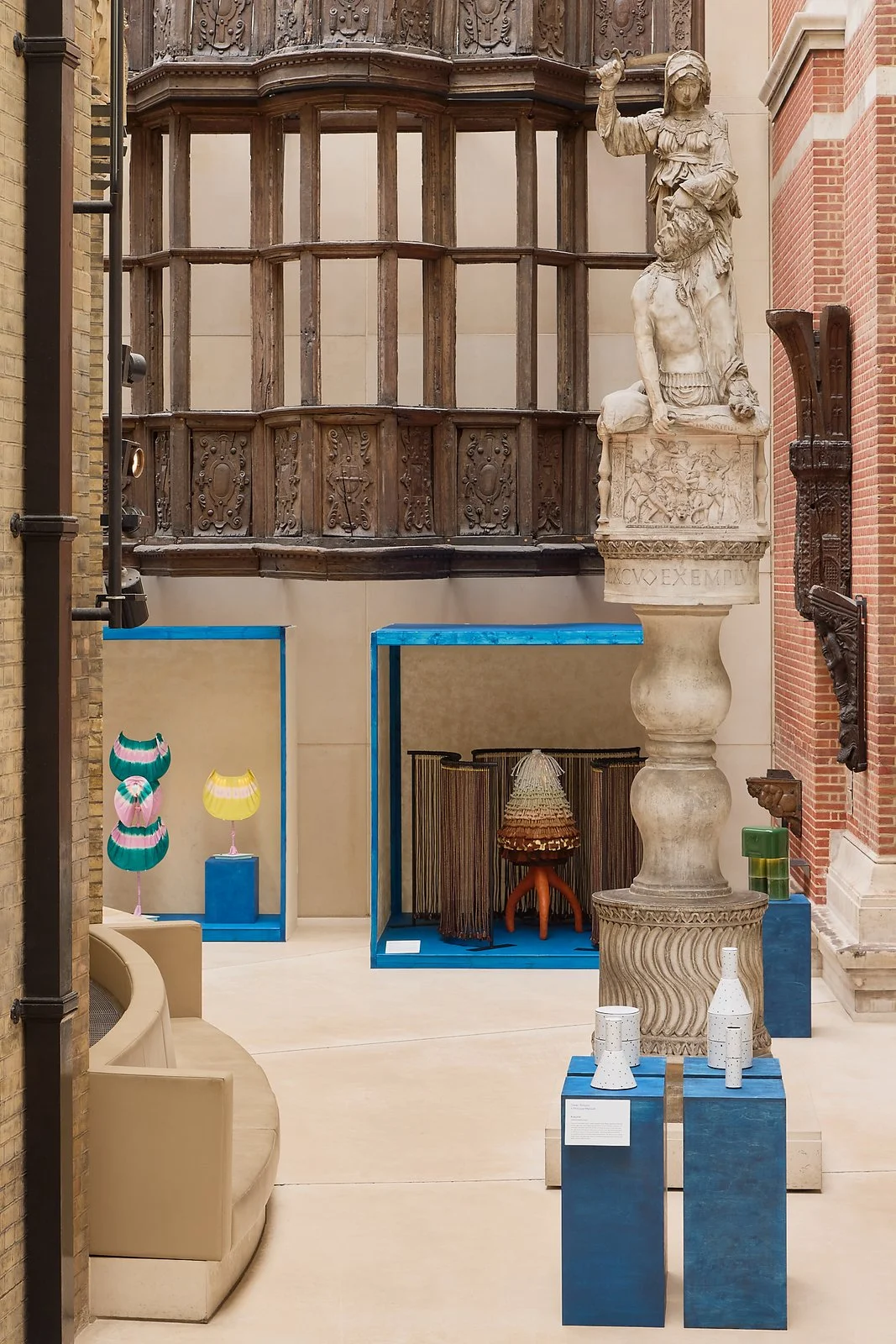
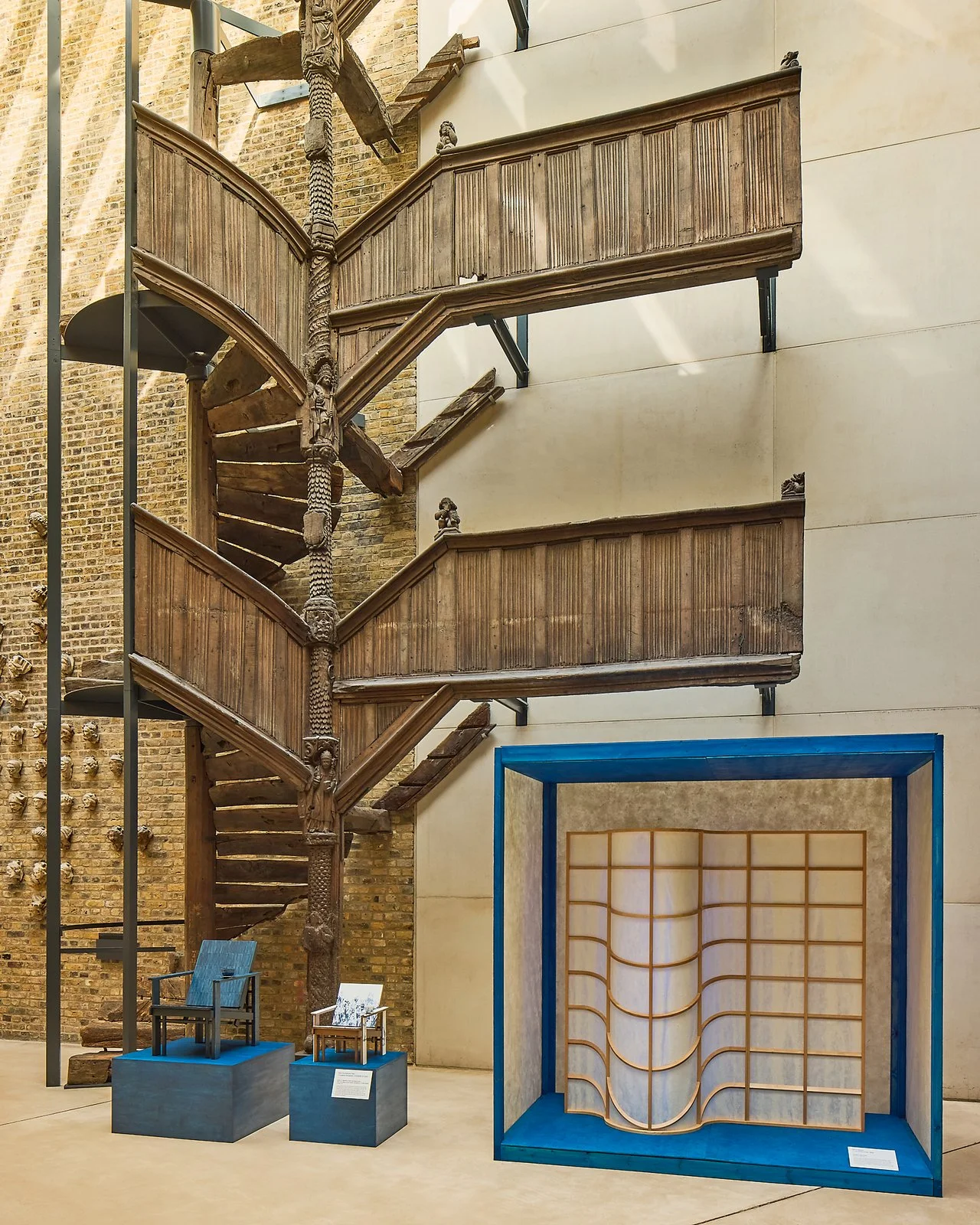
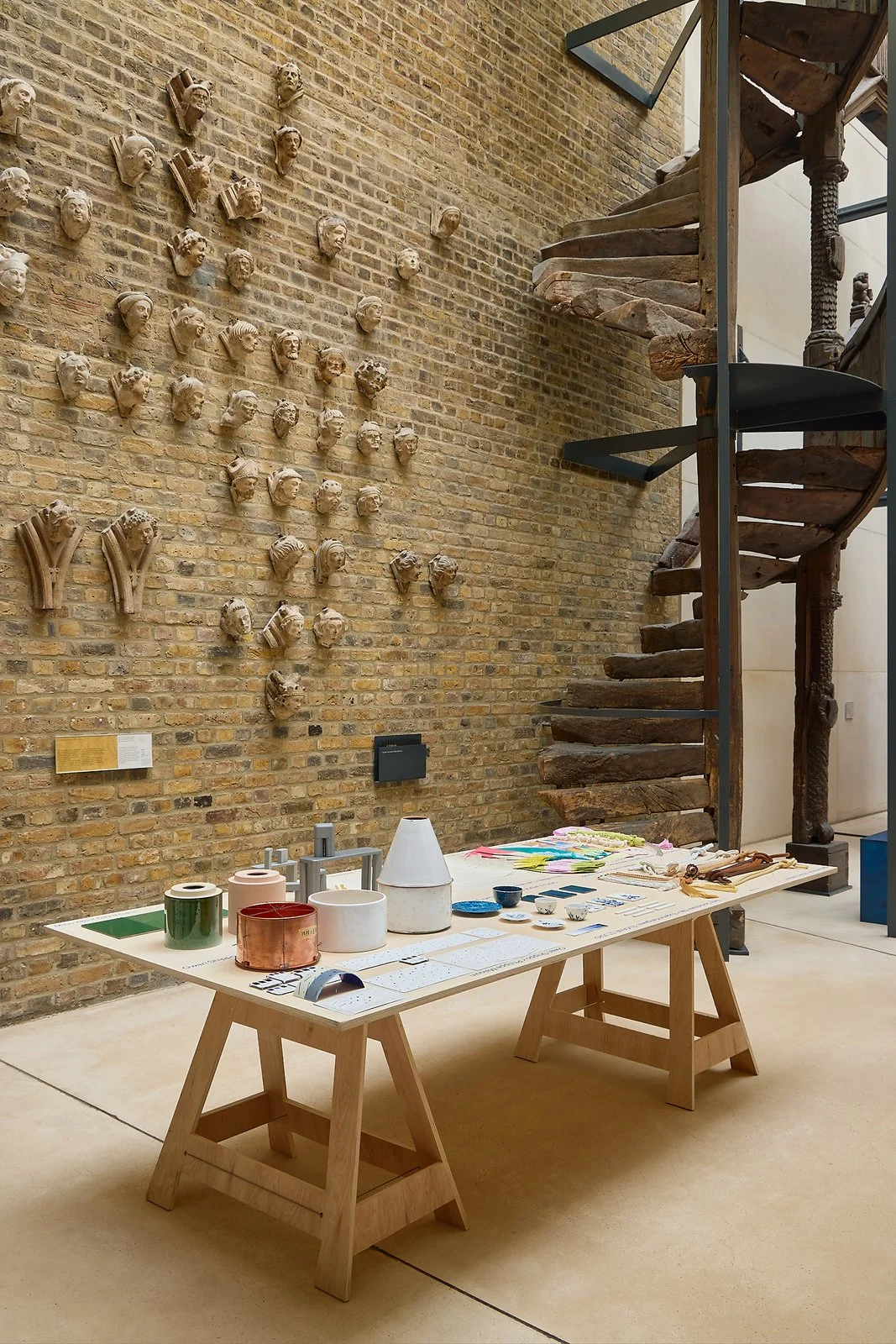
Having presented the inaugural Tohoku Project at the same museum two years earlier, we could sense the anticipation surrounding this exhibition within London’s design community even before it opened. The London Design Festival preview attracted a wide range of visitors, including representatives of international media, as well as London-based designers and creatives. The works prompted curiosity and admiration for the new forms of expression and possibilities that emerge when traditional Japanese craftsmanship meets contemporary creativity. Throughout the public exhibition period, the presentation also welcomed a diverse audience with an interest in design and craft.
Craft Workshops at the V&A
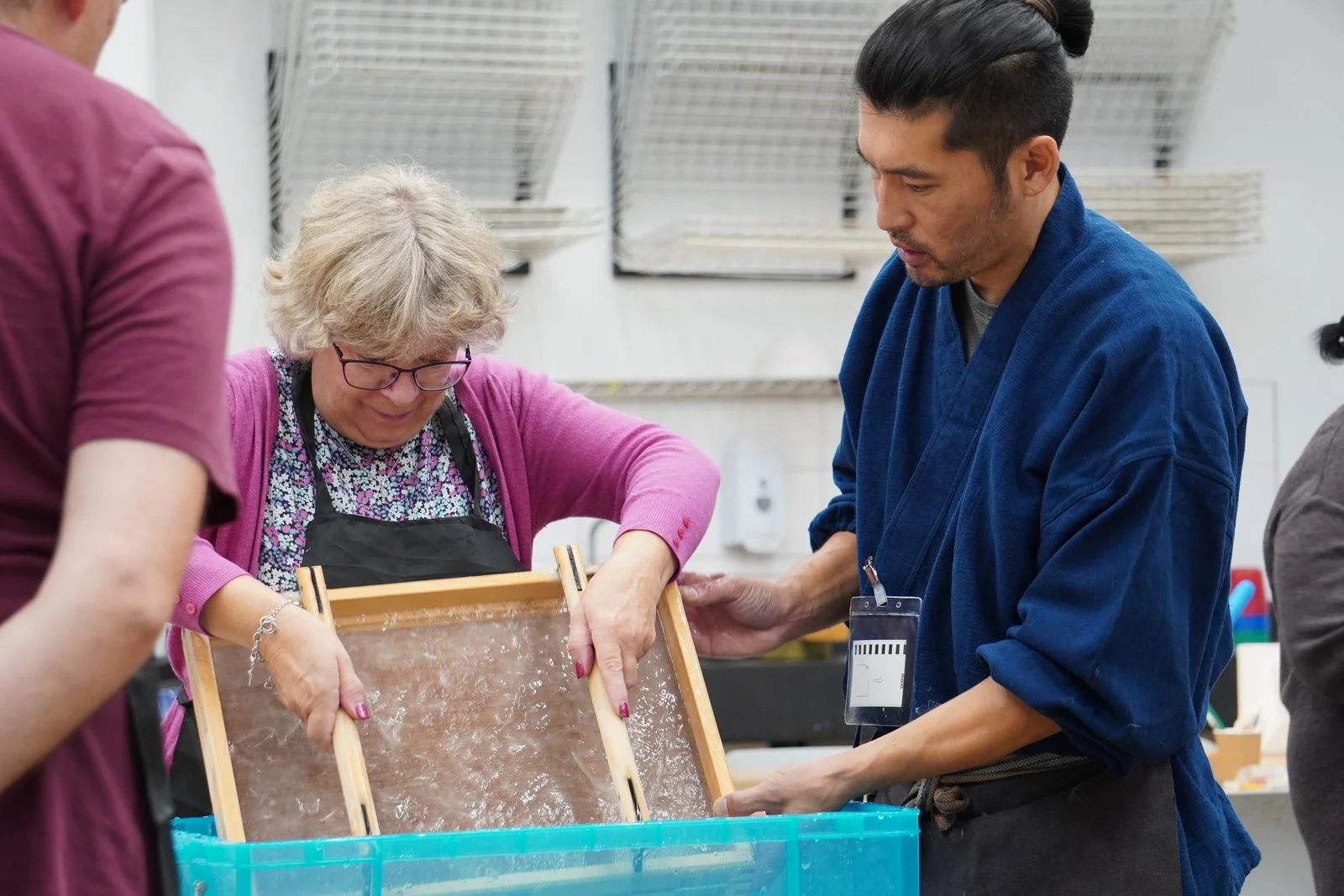
During the exhibition, we also held workshops at the V&A led by representatives of the craft producers participating in the Craft x Tech Tokai Project. Two programmes were offered: a hands-on papermaking workshop led by Takanori Senda, a Mino Washi artisan, and an original keychain-making workshop led by Tomoyuki Matsuda, CEO of Itogo, a manufacturer of machine braided Iga Kumihimo.
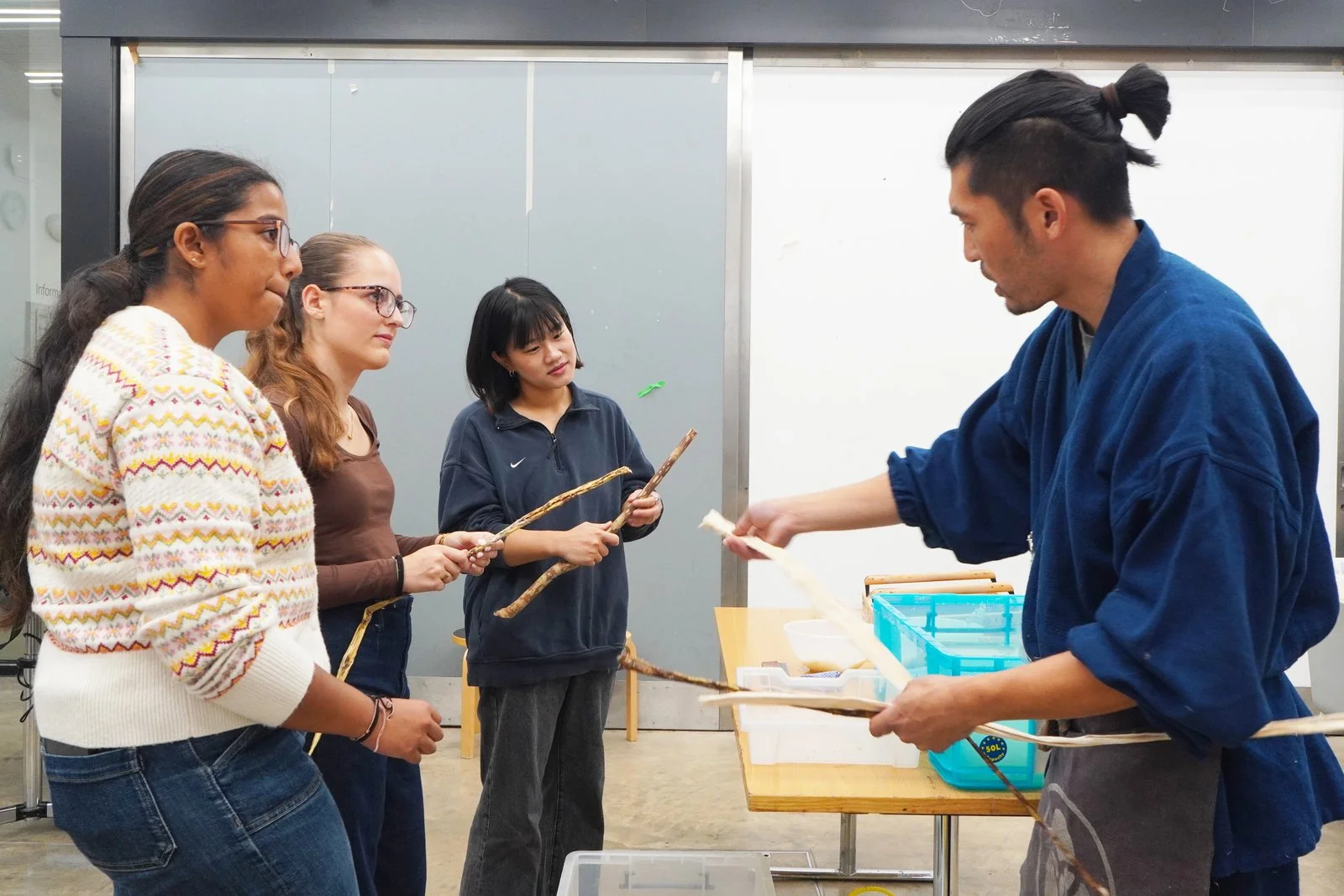
At the Mino Washi workshop, Senda began by explaining the characteristics and history of Japanese Washi paper, as well as its production process. Participants were able to actually touch and feel kōzo (paper mulberry), the raw material used to make the paper, gaining a deeper understanding of how Washi is produced. Their curiosity led to a lively exchange of questions. Senda then demonstrated the traditional hand-papermaking process, before inviting each participant to try making their own sheet using a suketa, the traditional frame and screen used in papermaking, to produce Mino-ban sized paper.
Participants shared their enthusiasm afterwards: “It was my first time making paper by hand, and I really enjoyed it!”; “I had seen Washi tape around London recently, so I was familiar with it, but this gave me an opportunity to learn about Washi itself”; and “I had never known what Washi was made from or how it was produced, so the experience was completely new to me.” Despite being first-time papermakers, every participant successfully produced a beautiful sheet of Mino-ban sized Washi and left proudly carrying their handmade creation.
The Iga Kumihimo workshop began with an introduction to the history and characteristics of Kumihimo, a traditional Japanese braided cord unfamiliar to many of the participants. Although Kumihimo is used as an ornamental element in Kimono, which are now recognised around the world, the craft of braiding itself remains relatively little known. Tomoyuki Matsuda of Itogo shares a strong desire to introduce the appeal of Kumihimo to a wider audience.
For this workshop, participants created their own keychains using macramé braiding technique. Each selected a round braided cord in their preferred colour and followed Matsuda’s instructions, working through the braiding steps one by one. Although the process appeared to involve a simple repetition of movements, even a momentary lapse in concentration could lead to braiding in the wrong direction, while inconsistent tension could affect the finished result. Considering that Kumihimo was once produced entirely by hand, the experience offered a renewed appreciation of the skill and precision involved in traditional handcraft. Once their keychains were complete, participants immediately began finding ways to use them, attaching them to bags and denim belt loops, among other things.
The Fifth-Generation President of Ando Cloisonne Encounters His Ancestors’ Work
Ando Cloisonne, a participant in the Craft x Tech Tokai Project, is a historic producer of Owari Shippo (Japanese cloisonné enamelware), founded in 1880. Works produced by the company are also held in the V&A’s collection, and some are on public display in the Toshiba Gallery of Japanese Art, the museum’s permanent gallery dedicated to Japanese art and craft.
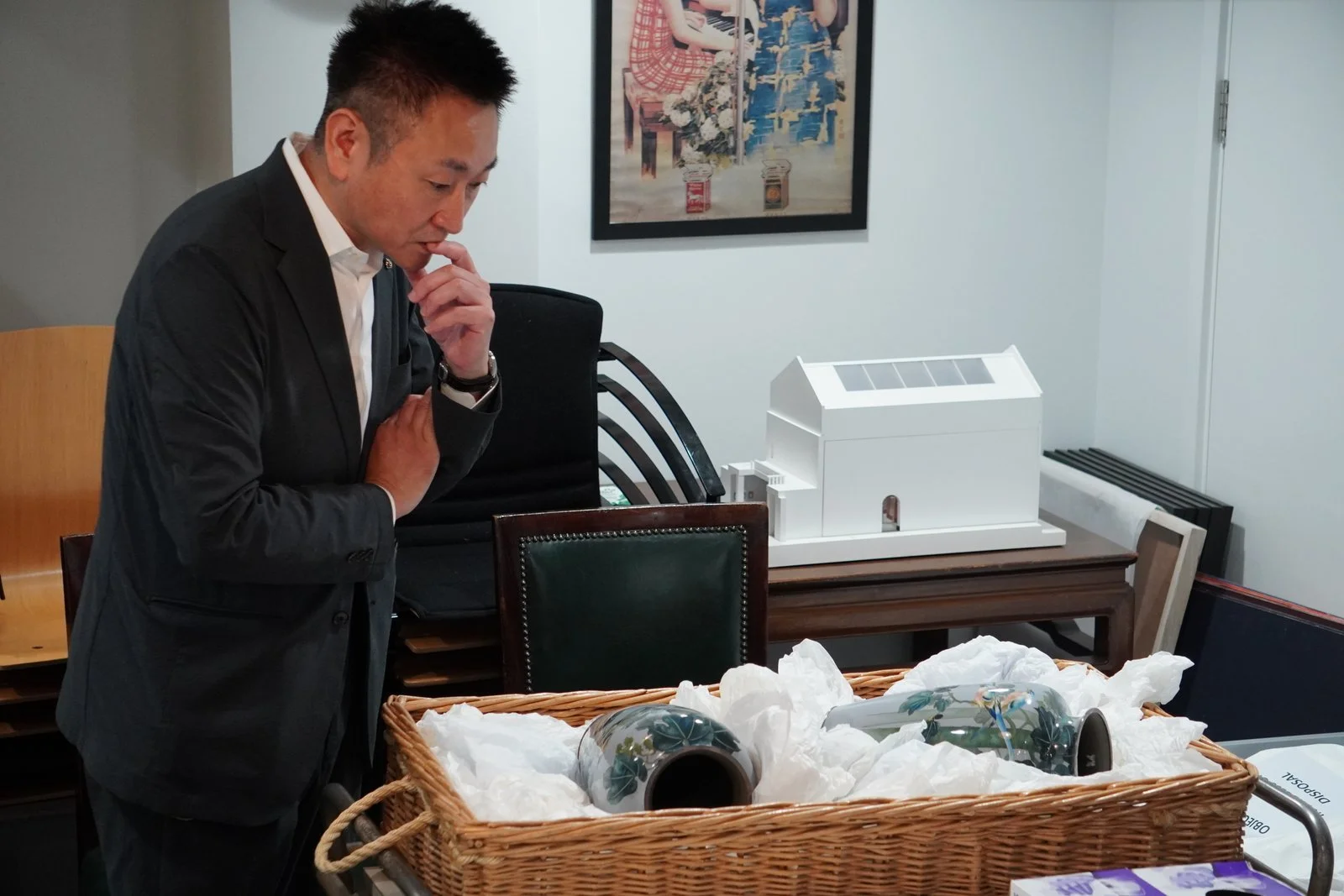
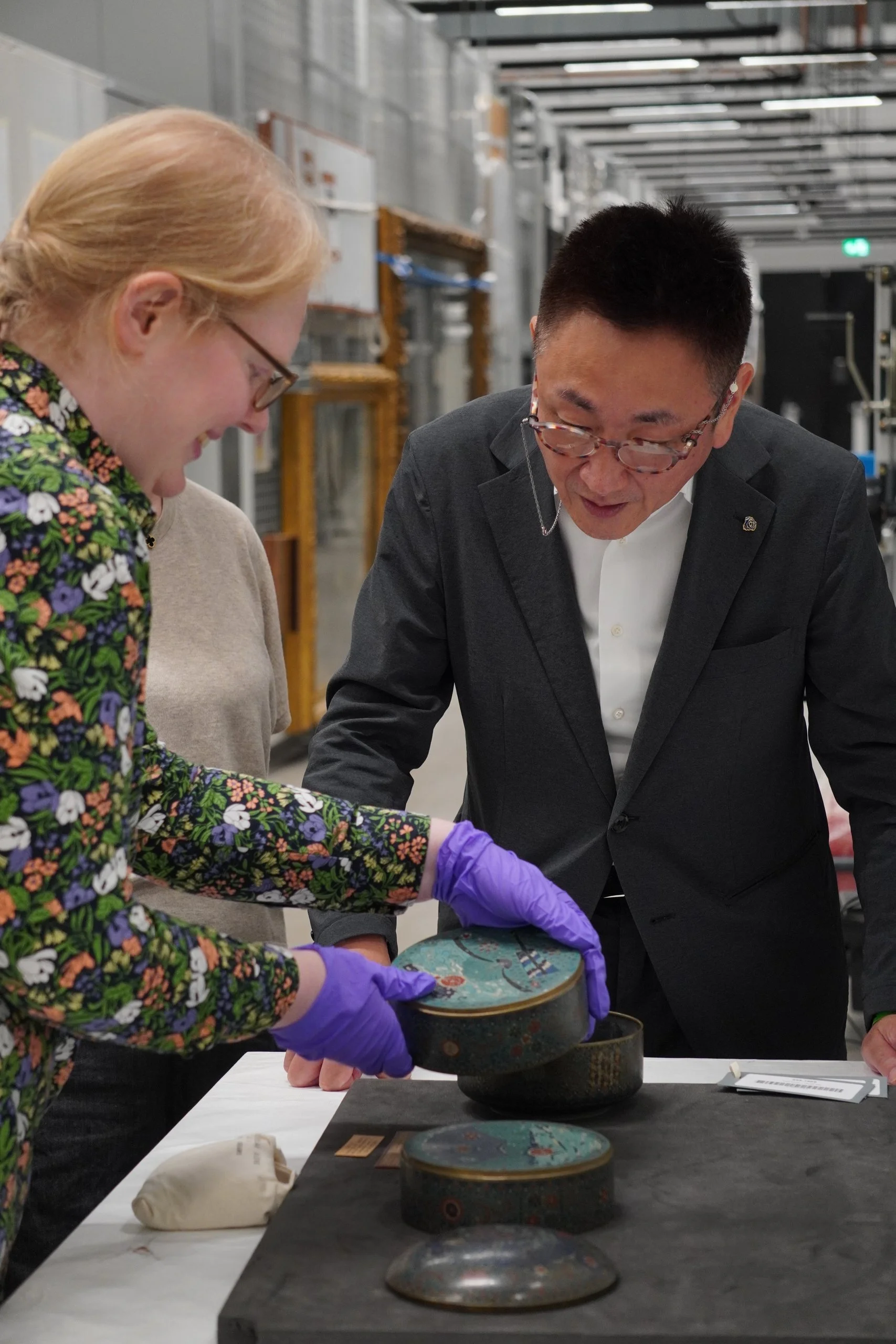
During his visit to London for the exhibition, Shigeyuki Ando, the company’s fifth-generation president, was given a special tour of the V&A’s normally closed storage facilities by a curator of Japanese Art in the Asia Department. This gave him the rare opportunity to view historical works made by his own company at close range. The curator also shared archival records documenting a visit to the V&A by his great-grandfather, Jubei Ando, when the Japan–British Exhibition was held in London in 1910.
At a place visited by his ancestor more than a century ago, Ando came face to face with cloisonné works that have been preserved since that time. Returning to the same location after so many years offered a moment to reflect on the history of Ando Cloisonne and the craft traditions passed down through generations. It was also an opportunity to appreciate the remarkable connection across time that brought him back to the very place his great-grandfather had once visited.
Growing International Interest in Japanese Craftsmanship
Our second presentation in London reaffirmed the strong international interest in Japanese craftsmanship and traditional techniques. Alongside the responses to the exhibited works, many workshop participants expressed a desire to learn more about the history, techniques, and cultural context behind the crafts. These reactions served as a reminder of the importance of communicating the appeal and value of traditional craftsmanship to audiences both in Japan and around the world.
We would like to express our sincere gratitude to the London Design Festival and the V&A for providing a platform for this presentation, as well as to all the craftspeople and creatives who took part in the project.
Photo credit:
Exhibition venue: Ed Reeve
Venue snaps, workshop, V&A collection visit: Masunami Shimoda